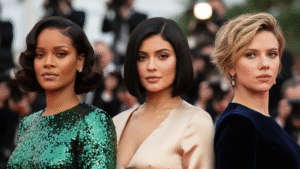
Face-shape guidance is common, but it fails when hair texture, growth patterns, or life constraints conflict with the chart. This piece uses real forum pain points and stylist experience to explain five practical exceptions to the charts so you and your stylist can choose a haircut that looks intentional, not formulaic.
What do we mean by “face-shape rules”
“Face-shape rules” are the shorthand recommendations you see everywhere: add height for round faces, soften angles for square faces, avoid heavy bangs on heart-shaped faces. These are useful starting points. They are not prescriptive instructions you must follow regardless of hair type, cowlicks, thinning, or daily routine.
Why clients ask to ignore the charts
Clients come to us after bad experiences: photos that do not match, bangs that separate at the cowlick, or short cuts that expose thinning where length used to hide it. We specialize in translating your goals into a cut that accounts for structure, texture, and lifestyle. Our stylists are trained in face analysis and texture-driven cutting, not chart copying.
How we evaluate exceptions in a salon consultation
We use a five-point check in consultation: growth pattern, strand thickness, density, lifestyle, and hairline. Each factor can change the recommended approach from the face-shape rule. This check takes five minutes and determines whether to follow, modify, or ignore the guideline.
Our five-minute consultation steps
- Observe growth pattern and cowlick locations.
- Assess strand thickness and overall density.
- Confirm styling time and product tolerance.
- Inspect hairline and any thinning patches.
- Align cut to client identity and maintenance expectations.
Five times the rules don’t apply (and what to do instead)
Exception 1: Texture matters more than face shape
Hair that is fine, coarse, curly, or resistant behaves differently under the same cut. Texture determines how weight sits, how volume forms, and whether a shape holds through the day.
Style example: Soft layered lob for fine hair
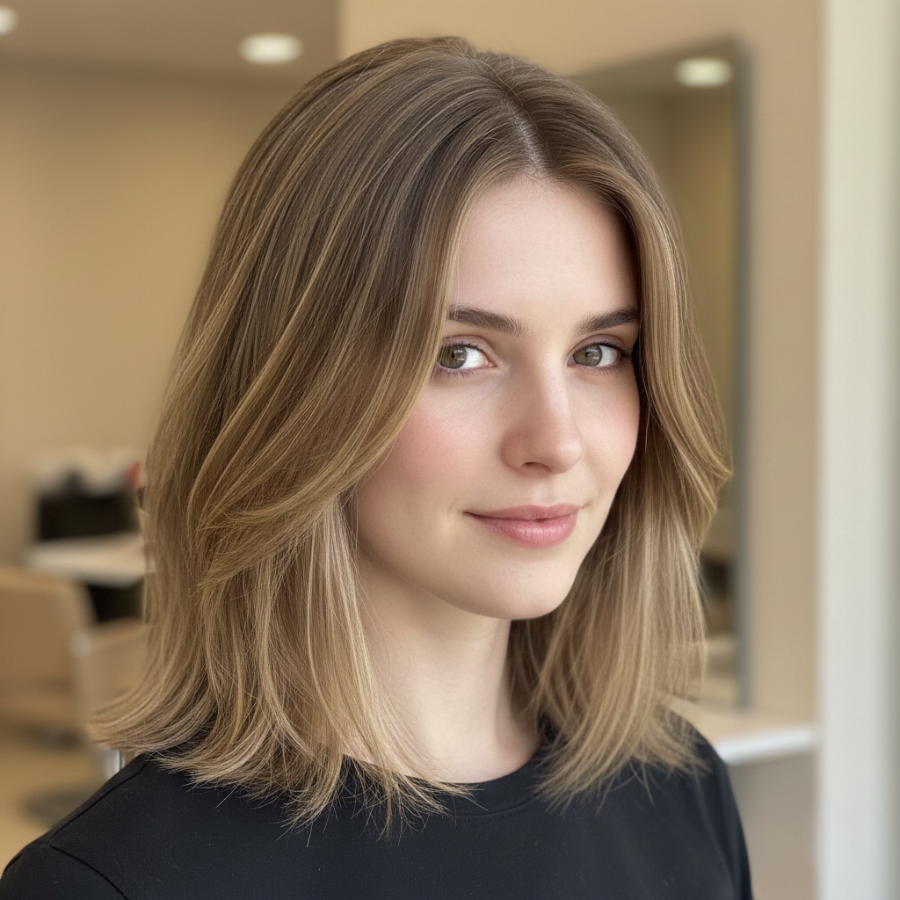
This cut uses light internal layering and a slightly longer perimeter to prevent collapse while maintaining visual balance across the face.
 See alsoHow Often Should You Wash Your Hair Based on Hair Type
Exception 2: Cowlicks override textbook bang rules
Cowlicks force hair to separate or lift, especially at the hairline. Ignoring growth direction is the fastest way to a fringe that never behaves.
Style example: Side-swept textured fringe
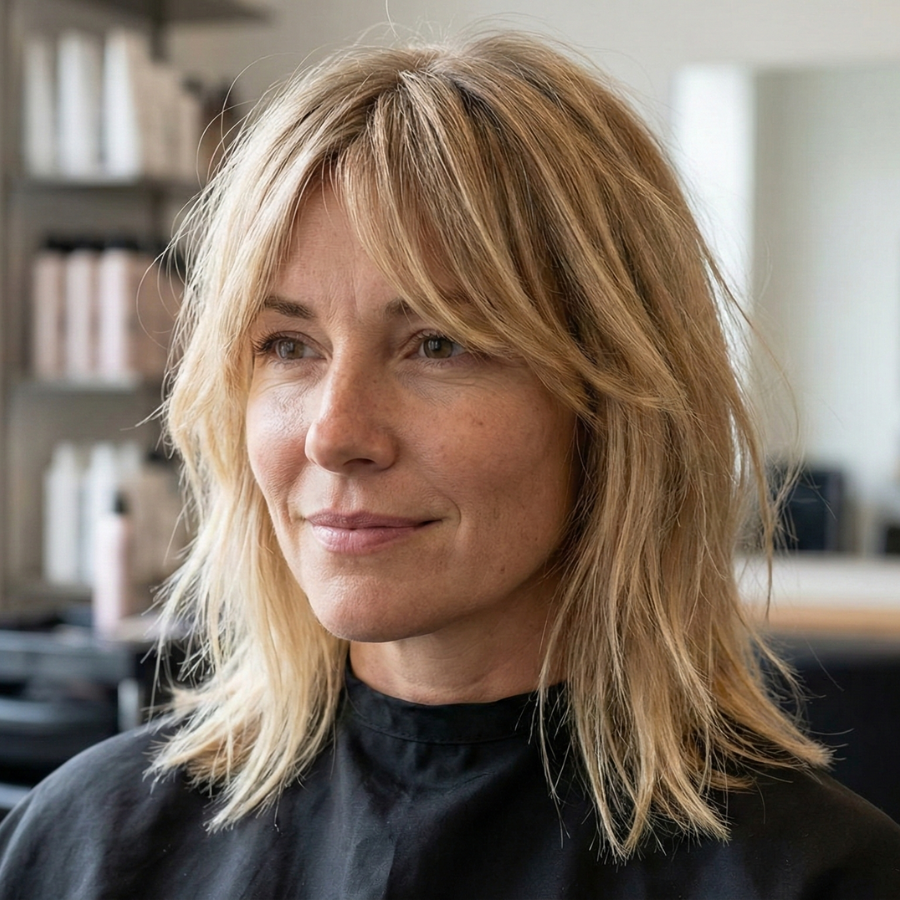
Designed to fall with the cowlick instead of against it, this fringe uses uneven lengths so the hair settles naturally.
Exception 3: Thinning hair changes the entire equation
When density drops, the goal shifts from flattering the face shape to creating balanced distribution. Length alone cannot disguise thinning.
Style example: Short layered crop with crown balance
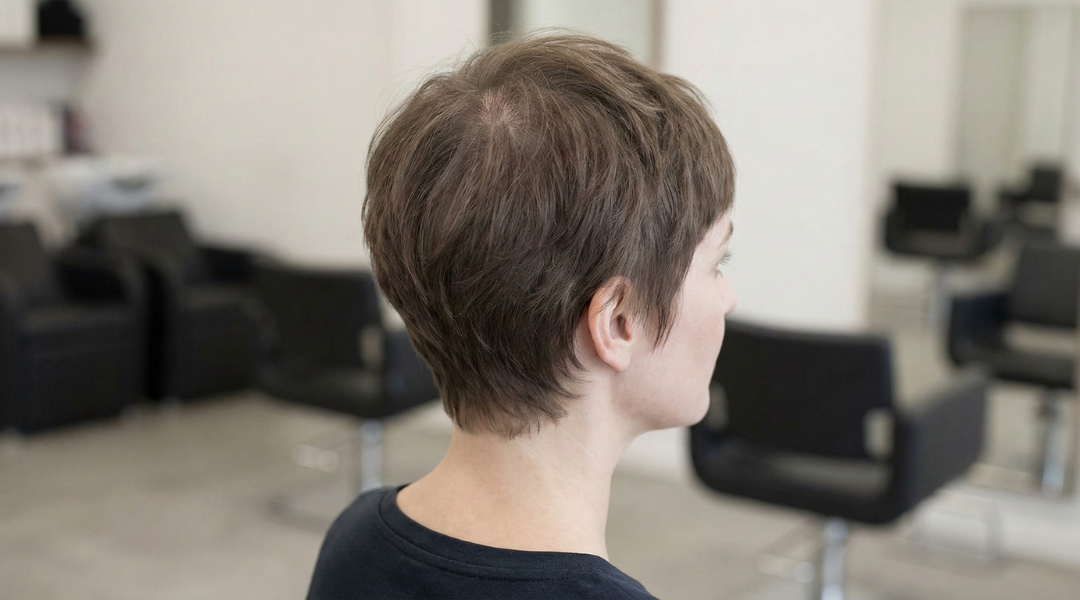
This cut shortens heavier areas and adds subtle layering where density is weakest, reducing contrast across the scalp.
Exception 4: Hybrid face shapes are more common than charts admit
Many clients measure between shapes or receive conflicting classifications. Treating the face as a set of proportions is more accurate than forcing a category.
Style example: Mid-length cut with adjustable parting
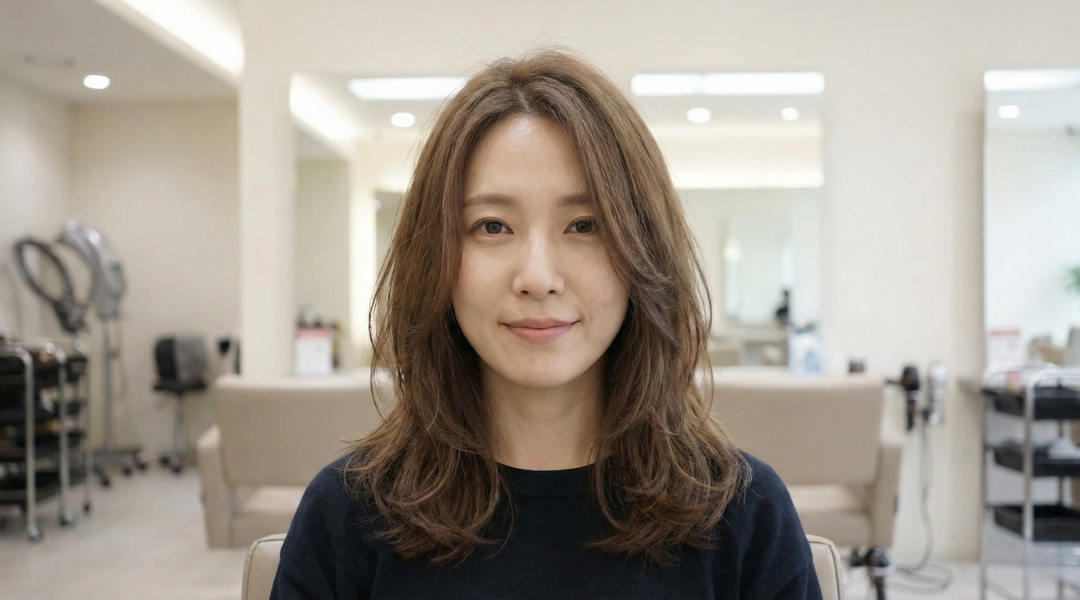
A flexible part and adaptable length allow the cut to work across multiple proportions without committing to a single “shape rule.”
Exception 5: Lifestyle determines whether a haircut succeeds
High-maintenance cuts fail when daily styling time or tools are unrealistic. A successful haircut fits how you actually live.
Style example: Air-dry friendly layered bob
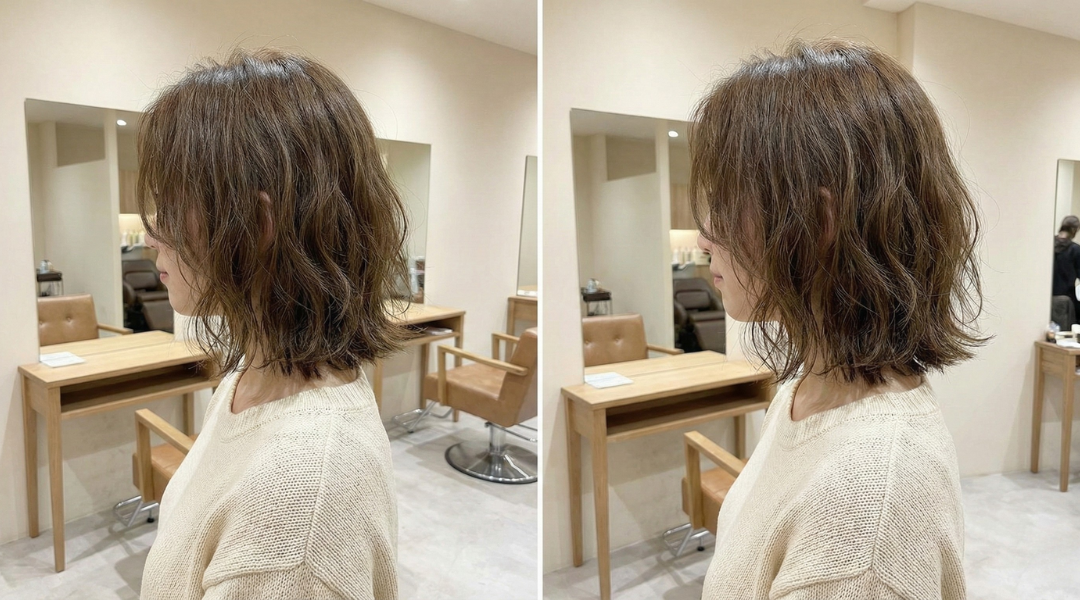
This shape is designed to fall into place without heat styling, making it reliable for busy schedules.
 See alsoEdgy Haircuts That Actually Work in Real Life: A Stylist’s Honest Guide
Quick decision matrix: when to follow or ignore the chart
Use this short matrix in consultation. If two or more items apply, prioritize the exception over the face-shape rule.
FAQ
Can I have bangs if I have a cowlick?
Yes, with the right approach. Straight-across bangs are risky, but textured or side-swept designs can work with the cowlick rather than against it.
What if my hair is thin but my face is round?
Thin hair reduces visual mass. Layering and balanced weight matter more than elongating the face shape alone.
Who decides when to ignore the rules?
You and your stylist decide together. Our approach focuses on testing and tailoring rather than enforcing categories.
How often should I return for maintenance?
Precision cuts need maintenance every 4–6 weeks. Softer layered shapes can last 10–12 weeks with minor adjustments.
Closing
Face-shape charts are useful starting points, not final answers. Texture, growth patterns, thinning, and lifestyle determine whether those rules apply. Our stylists are trained to tailor each cut to those realities so your haircut works beyond the mirror.