
Fingernails grow approximately 3.47 mm per month, or about 0.1 mm per day. Toenails grow roughly half that speed at 1.62 mm per month. But nail growth rate is not fixed. Age, nutrition, circulation, and daily habits all shift how fast your nails grow. This guide covers exact nail growth rates by day, week, month, and year, explains what slows or speeds up growth, and gives you practical tips backed by research to keep nails growing strong.

What Are Nails and How Do They Grow?
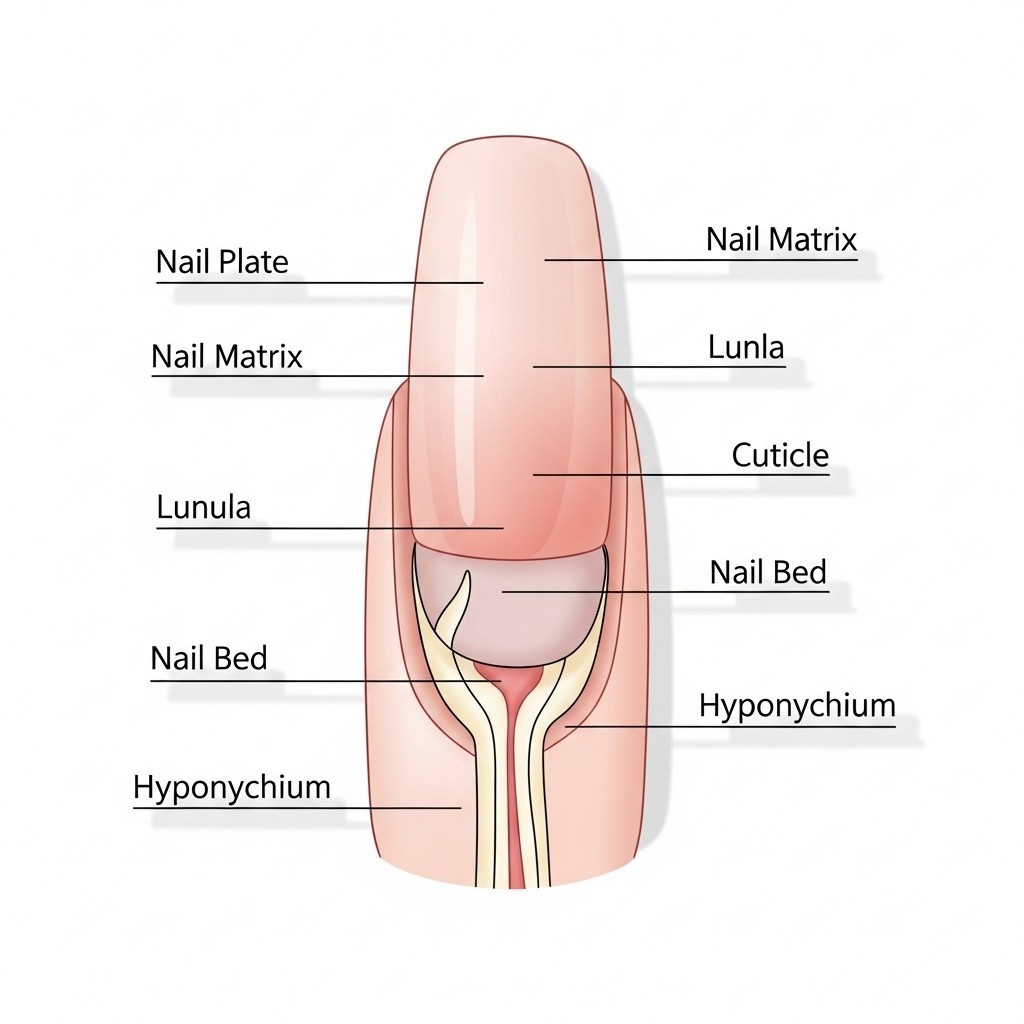
Nails are composed of keratin, a tough, fibrous protein also found in hair and skin. Growth begins in the nail matrix, located beneath the proximal nail fold at the nail’s base. As keratinocytes multiply and undergo keratinization, they push older cells forward to form the visible nail plate. The nail bed, cuticle, lunula, and hyponychium each support nail integrity and growth.
Average Nail Growth Rates
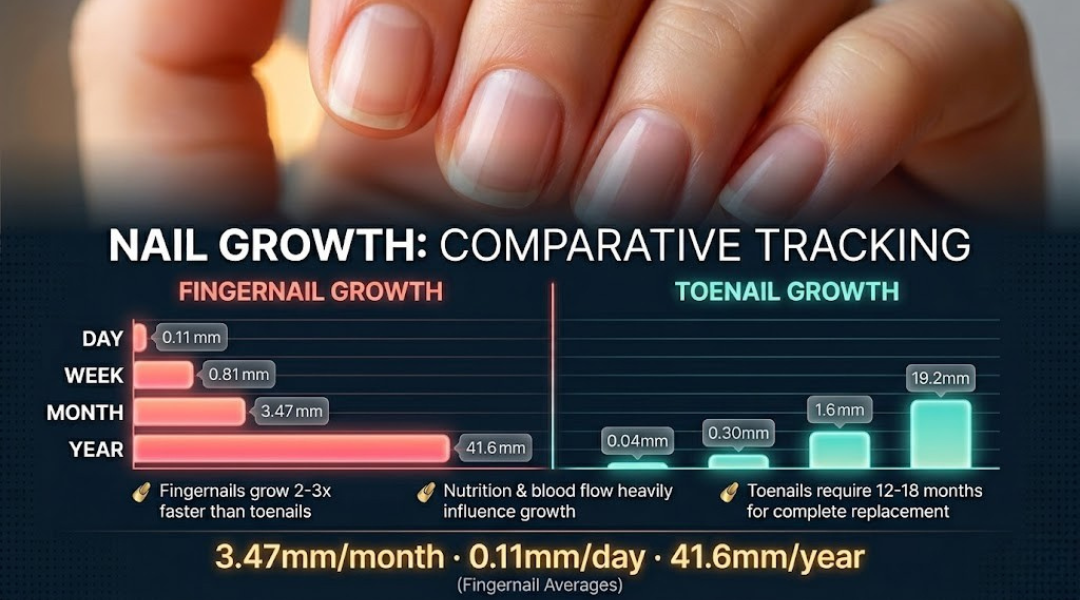
The average fingernail growth rate is approximately 3.47 mm per month, nearly twice as fast as toenails, which average around 1.62 mm per month. This fingernail growth rate translates to roughly 0.11 mm per day and 41.6 mm per year.
| Metric | Fingernails | Toenails |
|---|---|---|
| Average Growth/Month | 3.47 mm | 1.62 mm |
| Fastest Growing Nail | Middle finger | Big toe |
| Full Regrowth Time | 3–6 months | 12–18 months |
How Much Do Nails Grow in a Week?
Fingernails grow approximately 0.7–0.8 mm per week, based on the average monthly rate of 3.47 mm. Toenails grow around 0.4 mm per week. These weekly figures vary depending on which hand you use most, the specific finger, and individual health factors.
| Time Period | Fingernails | Toenails |
|---|---|---|
| Per Day | ~0.11 mm | ~0.05 mm |
| Per Week | ~0.77 mm | ~0.40 mm |
| Per Month | ~3.47 mm | ~1.62 mm |
| Per Year | ~41.6 mm (4.1 cm) | ~19.4 mm (1.9 cm) |
| 1 cm Growth Time | ~3 months | ~6 months |
Nail Growth Chart: Visual Rate Comparison
The chart below shows average nail growth rates across different time intervals for both fingernails and toenails. Middle finger nails on the dominant hand grow the fastest, while pinky toenails grow the slowest.
Nail Growth Cycle
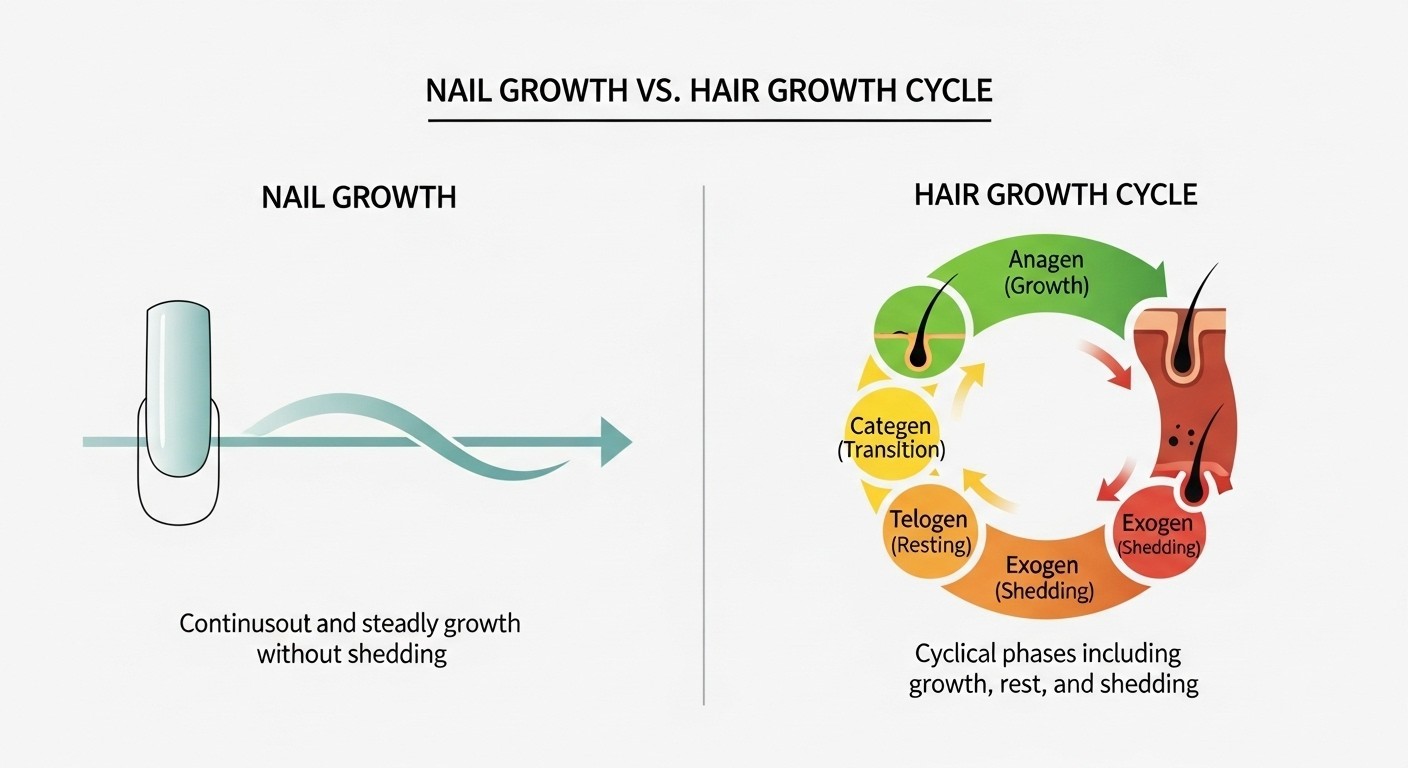
The nail growth cycle differs fundamentally from hair. Hair grows in distinct phases — anagen (growth), catagen (transition), telogen (resting), and exogen (shedding) — while nails grow continuously without a shedding cycle. Understanding the nail growth cycle matters because injuries or nutritional deficits can interrupt it, causing visible ridges or slow regrowth.
Factors Influencing Nail Growth Rate
Age
Nail growth slows gradually with age, starting around 25 years old, decreasing by approximately 0.5% per year. This decline is thought to result from reduced cell turnover in the nail matrix and diminished blood circulation to the extremities. Over a typical lifespan, fingernail growth rate can decrease by up to 50%, reflecting broader biological aging processes and changes in metabolic function. Read more here.
Gender
Studies suggest males often experience slightly faster nail growth than females.
Health and Nutrition

Biotin, a B-vitamin essential for keratin production, supports nail strength and growth; studies show that supplementation with about 2,500 mcg (2.5 mg) daily can improve nail thickness and reduce brittleness in people with brittle nails, though evidence in healthy individuals is limited. The recommended daily intake for adults is around 30 mcg, which most people obtain from a balanced diet. Higher doses are sometimes used therapeutically but should be taken under medical supervision.
Health Conditions
Health conditions such as hypothyroidism, anemia, and malnutrition can impair nail growth and cause characteristic nail changes, often reflecting underlying systemic diseases. For example, hypothyroidism may lead to brittle nails or onycholysis (nail separation), iron-deficiency anemia is commonly associated with spoon-shaped nails (koilonychia), and malnutrition can cause soft, thin, or brittle nails. These nail abnormalities can serve as important clinical indicators of broader health issues
Habits and Lifestyle

Physical activity promotes healthy nail growth by improving blood circulation, which delivers essential nutrients and oxygen to the nail matrix and bed. Conversely, trauma from habits like nail-biting can temporarily stimulate regrowth but often damages nail structure, increasing the risk of infection and weakening nails.
Scientific Methods to Measure Nail Growth
Researchers use several methods to measure nail growth:

- Ink marking: A small dot on the nail shows growth by shifting forward over time.
- Microscopy: Used to examine nail cells at a microscopic level.
- Laser scanning: Offers high-precision measurements in lab settings.
Each method has advantages—ink marking is simple and practical, while advanced techniques provide more accuracy for research purposes.
Variations in Nail Growth Across Populations
Studies show that nail growth rates can vary by ethnic background and geographic region, influenced by genetics and environmental factors. For example, a study measuring fingernail growth in an Indian population found an average growth rate of approximately 0.103 mm per day (about 3.1 mm per month), which is slightly lower than some reported averages in Western populations.
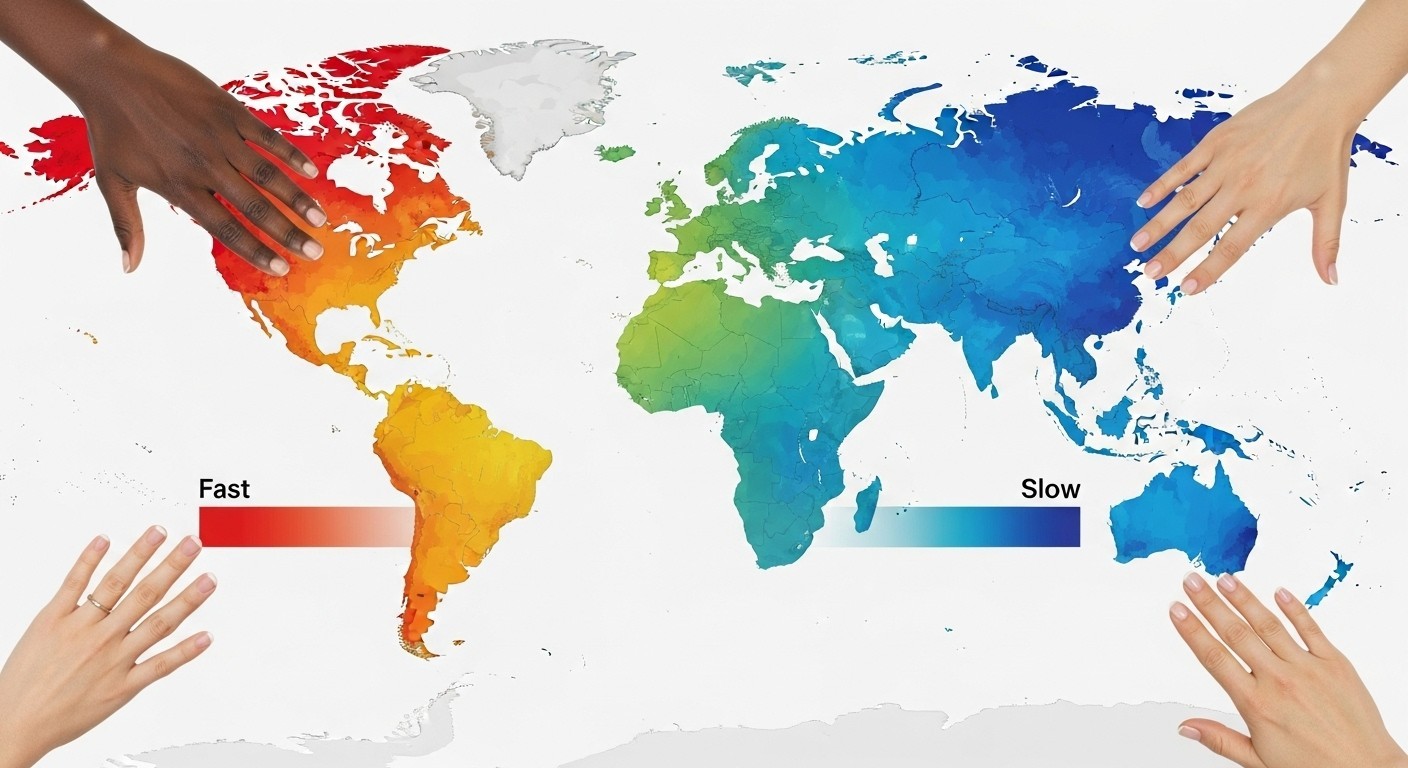
The study also noted no significant overall difference between males and females, although certain fingers showed faster growth in males at specific times. Genetic predisposition and climate likely contribute to these differences, affecting both growth speed and nail strength. Such population-specific data are valuable for clinical assessments and personalized nail care recommendations
Practical Implications of Nail Growth Rates
Nail growth patterns can signal underlying health conditions. Slowed or abnormal nail growth may indicate nutritional deficiencies, thyroid disorders, or vascular issues. Nails can also retain records of toxic exposure, including heavy metals like arsenic, making them useful in forensic or environmental diagnostics.
Tips to Promote Healthy Nail Growth

- Eat a nutrient-rich diet: Focus on foods with biotin, iron, protein, and omega-3s. Eggs, legumes, leafy greens, and salmon are great choices.
- Keep nails hydrated: Daily use of cuticle oils and hand creams helps maintain flexibility.
- Protect nails: Use gloves when cleaning and avoid harsh chemical exposure.
- Avoid trauma: Don’t pick or peel polish, and file gently in one direction.
- Take breaks from enhancements: Let nails breathe between gel or acrylic sets to prevent thinning.
Key Takeaways: How Fast Do Nails Grow?Summary & Key Takeaways
✓ Fingernails grow ~3.47 mm/month (toenails: 1.62 mm).
✓ Fastest growth: Middle finger and dominant hand.
✓ Slows with age (0.5% yearly after 25).
✓ Boost growth with biotin, hydration, and gentle care.
Understanding the science behind nail growth empowers you to care for your nails in a way that supports both style and wellness.
FAQs
How fast do fingernails grow per month?
Fingernails grow an average of 3.47 mm per month (about 0.1 mm/day), with the middle finger growing fastest. It takes 3–6 months to fully regrow a fingernail, while toenails take 12–18 months (Source: Journal of the American Academy of Dermatology).
Why do toenails grow slower than fingernails?
Toenails grow ~50% slower (1.62 mm/month) due to:
✓ Poorer circulation in feet vs. hands.
✓ Less stimulation (fingernails are used more often).
✓ Cooler temperature at extremities, slowing cell turnover.
How can I track my nail growth at home?
Try this accurate at-home method:
1 Mark your nail with a gentle dot of non-toxic polish.
2 After 1 week, measure growth with a ruler.
3 Multiply by 4 to estimate monthly growth.
Tip: Dominant-hand nails grow 0.1–0.15 mm/day on average.
How fast do fingernails grow in a year?
Fingernails typically grow about 3.47 mm per month, adding up to roughly 41.6 mm (over 4 cm) annually, though individual growth rates can differ
Do nails grow faster during pregnancy?
Yes! Hormonal changes can increase nail growth by up to 30%—but may also cause brittleness. Postpartum, growth typically returns to normal.
Do nails grow faster in summer or winter?
Nails grow 10–20% faster in summer due to:
✓ Warmer temps boosting circulation.
✓ More sunlight (vitamin D aids keratin production).
✓ Higher activity levels (e.g., exercise, gardening).
Winter tip: Massage cuticles with oil to counteract cold-induced slowdown.