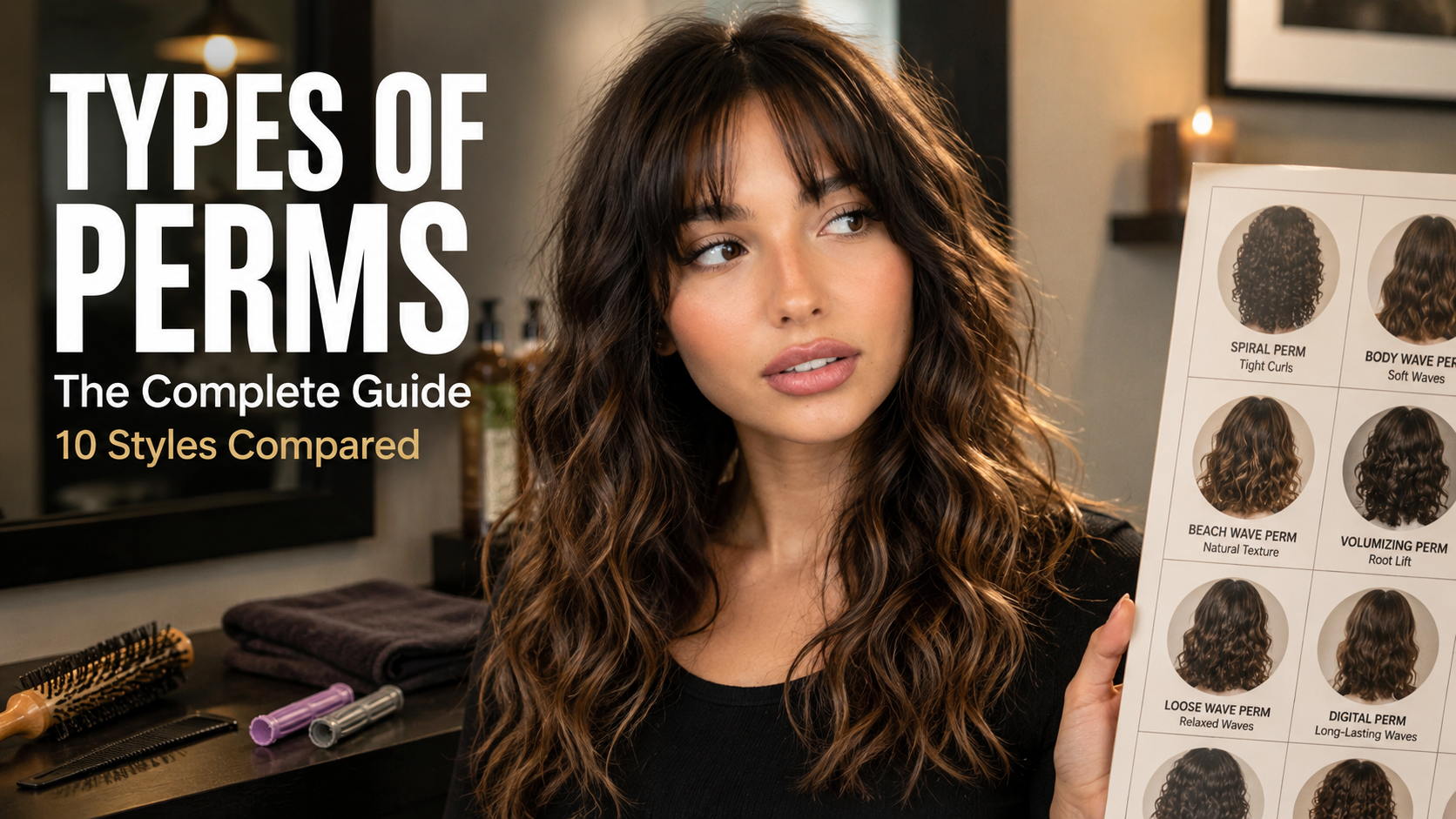
If you’ve been thinking about getting a perm but feel overwhelmed by all the options, you’re not alone. The word “perm” still conjures images of big 80s hair for a lot of people, but today’s perm techniques look nothing like that. Modern perms range from barely-there texture to full dramatic curls, and there’s a style that works for almost every hair type and length.
At Salon 1150, our perm specialist Talia Brooks works with clients every week to match the right perm to their hair, lifestyle, and daily styling routine. This guide breaks down every major perm type, explains who each one works best for, and gives you the honest stylist perspective you won’t find in a generic article.
What Is a Perm and How Does It Work?
A perm — short for “permanent wave” — is a chemical treatment that reshapes your hair’s internal structure to create lasting curls, waves, or texture. The process works by breaking the disulfide bonds inside each hair strand using a chemical solution, reshaping the hair around rods or rollers, and then neutralizing the solution to lock the new pattern in place.
The result is a curl or wave pattern that holds without daily heat styling or product. Depending on the technique and your hair type, a perm can last anywhere from one month to seven months.
What most people don’t realize is that the specific rod size, wrapping technique, chemical strength, and processing time all change depending on which type of perm you’re getting. A spiral perm and a beach wave perm use completely different approaches — so understanding the options matters before you sit down in the chair.
Hot Perms vs. Cold Perms: What’s the Difference?
Before choosing a specific perm style, it helps to understand the two broad categories that most perms fall into.
Cold perms are the traditional method. An alkaline solution (typically ammonium thioglycolate) is applied to hair that’s been wrapped around plastic rods. No external heat is used. Cold perms tend to produce tighter, more defined curls and work well for most hair types. The majority of classic perm styles — spiral, body wave, pin curl — use the cold process.
Hot perms use an acidic solution combined with heat to reshape the hair. The curls tend to come out looser and softer, and the results often look more natural when the hair is dry. Digital perms and straight perms are the most common hot perm methods.
The key difference in daily life: cold perm curls tend to look their best when hair is wet or damp, while hot perm curls activate and look fuller when blow-dried or heat-styled. Your stylist should help you choose based on how you actually style your hair day-to-day — not just how the curls look in the salon chair.
Types of Perms: A Complete Breakdown
Here’s a detailed look at every major perm style, including who each one works best for, realistic expectations, and what our stylists actually tell clients during consultations.
Spiral Perm
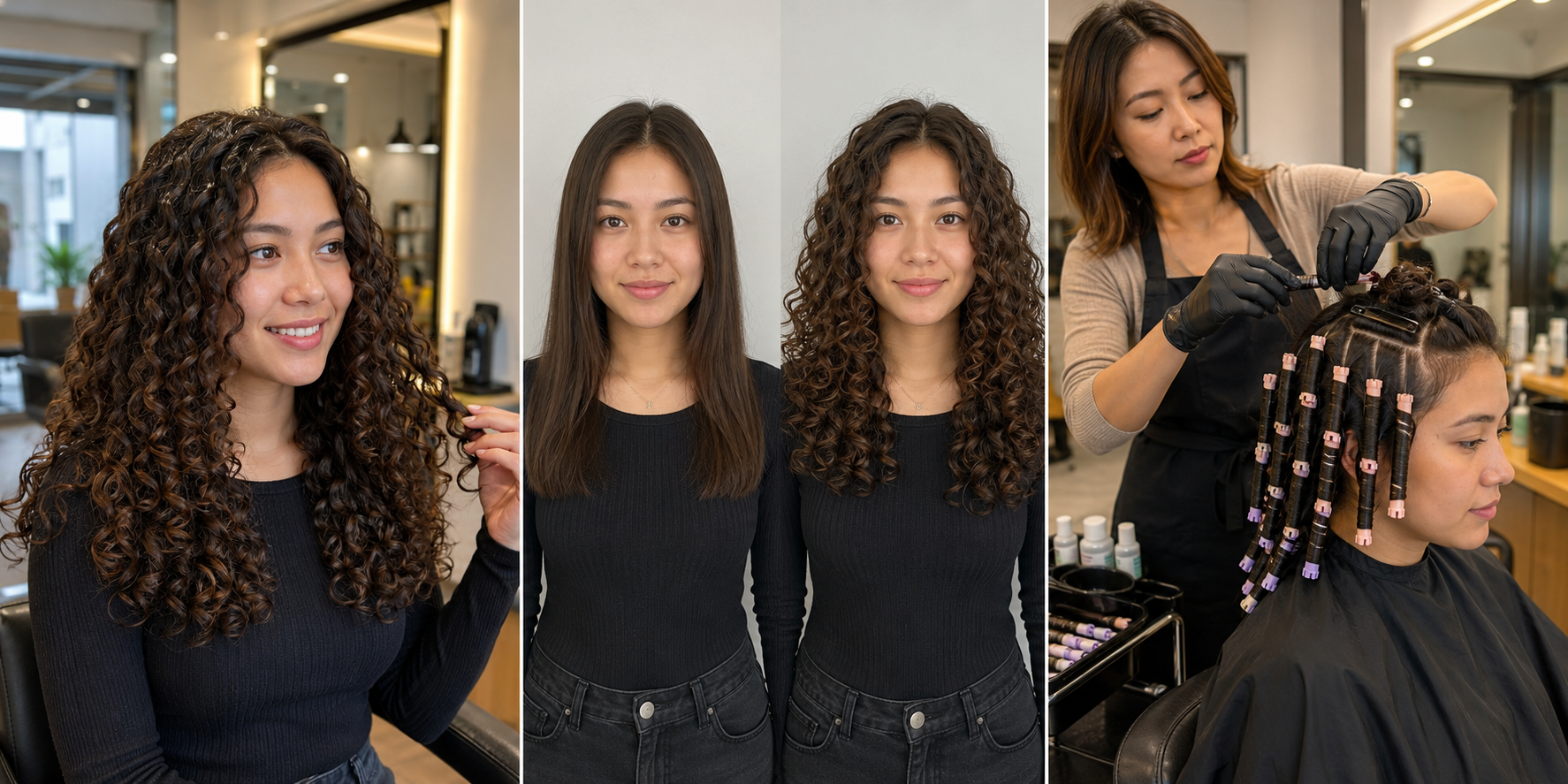
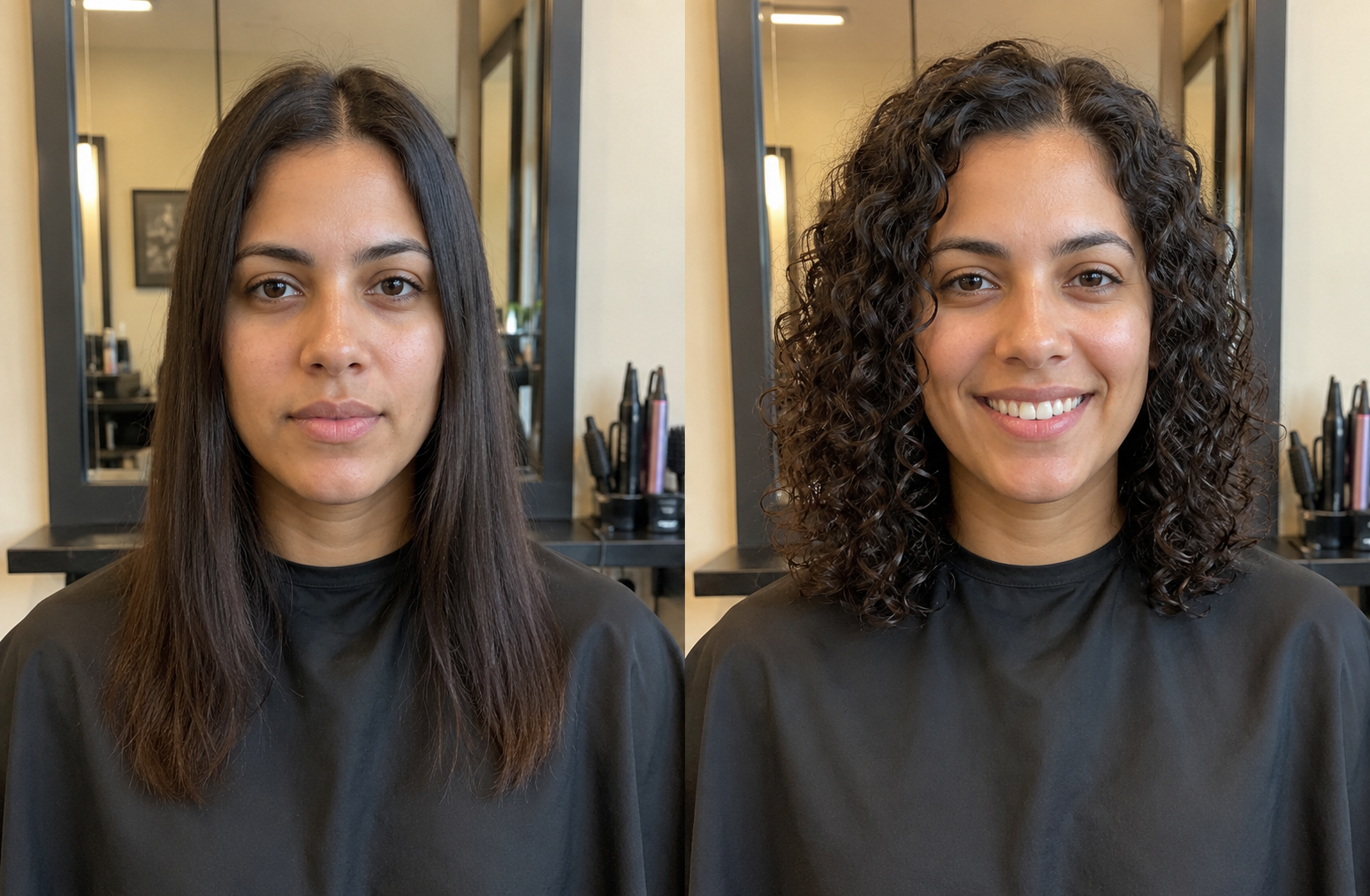
A spiral perm creates tight, defined, bouncy curls by wrapping the hair vertically around long perm rods. The spiral technique produces a uniform curl pattern from root to tip, giving the hair dramatic volume and movement.
Source: IG
Best for: Medium to long hair (shoulder-length or longer). Clients who want visible, defined curls with serious volume.
How long it lasts: Up to 6 months.
Maintenance level: Moderate. Requires moisture-focused products and gentle detangling to prevent frizz.
Approximate cost: $100–$250+, depending on hair length and density.
Source: Salon1150 pin
Stylist take from Talia Brooks: “Spiral perms are one of our specialties at Salon 1150. The biggest misconception is that they work on all hair lengths. In reality, short hair often ends up looking tighter and shorter than expected because of shrinkage. I always talk through that with clients before we start so there are no surprises.”
Body Wave Perm
A body wave perm uses large rollers to create relaxed, loose waves rather than defined curls. The goal is subtle volume and natural-looking movement — think fullness and bend, not ringlets.
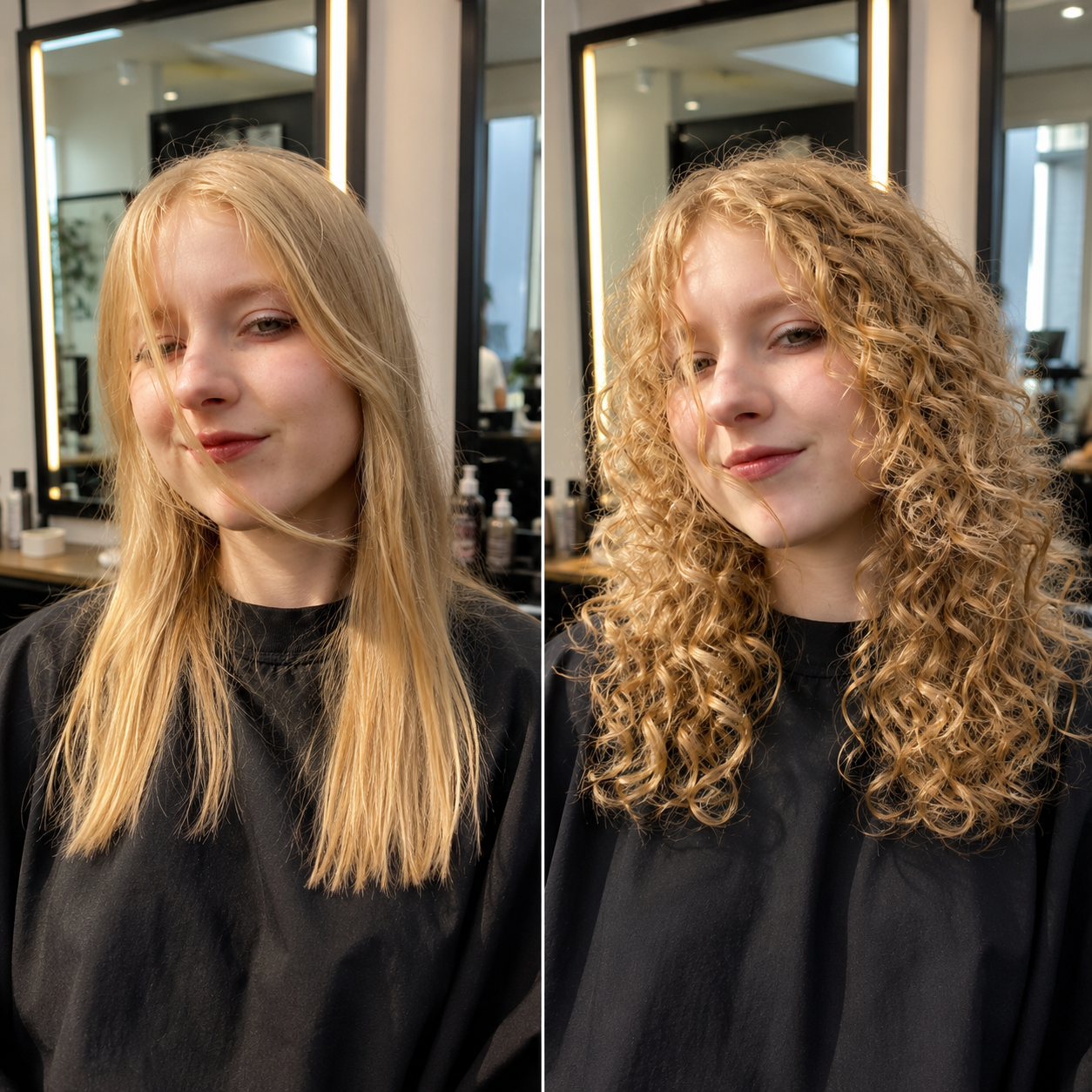
Best for: Straight or fine hair that struggles to hold curls. Medium to long hair.
How long it lasts: 3–5 months.
Maintenance level: Low. One of the easier perms to maintain because the waves blend naturally as they grow out.
Approximate cost: $80–$200.
Stylist take from Talia Brooks: “Clients often expect loose, beachy waves from a body wave perm, but it actually creates subtle volume and bend — not visible curls. Fine or very straight hair can also struggle to hold the wave long-term, so results may fade faster without proper styling. I always set that expectation upfront.”
Beach Wave Perm
The beach wave perm aims to replicate that effortless, textured look you get after a day at the ocean. Instead of traditional perm rods, most stylists use soft, spongy rollers or a technique that creates loose, slightly undone waves.
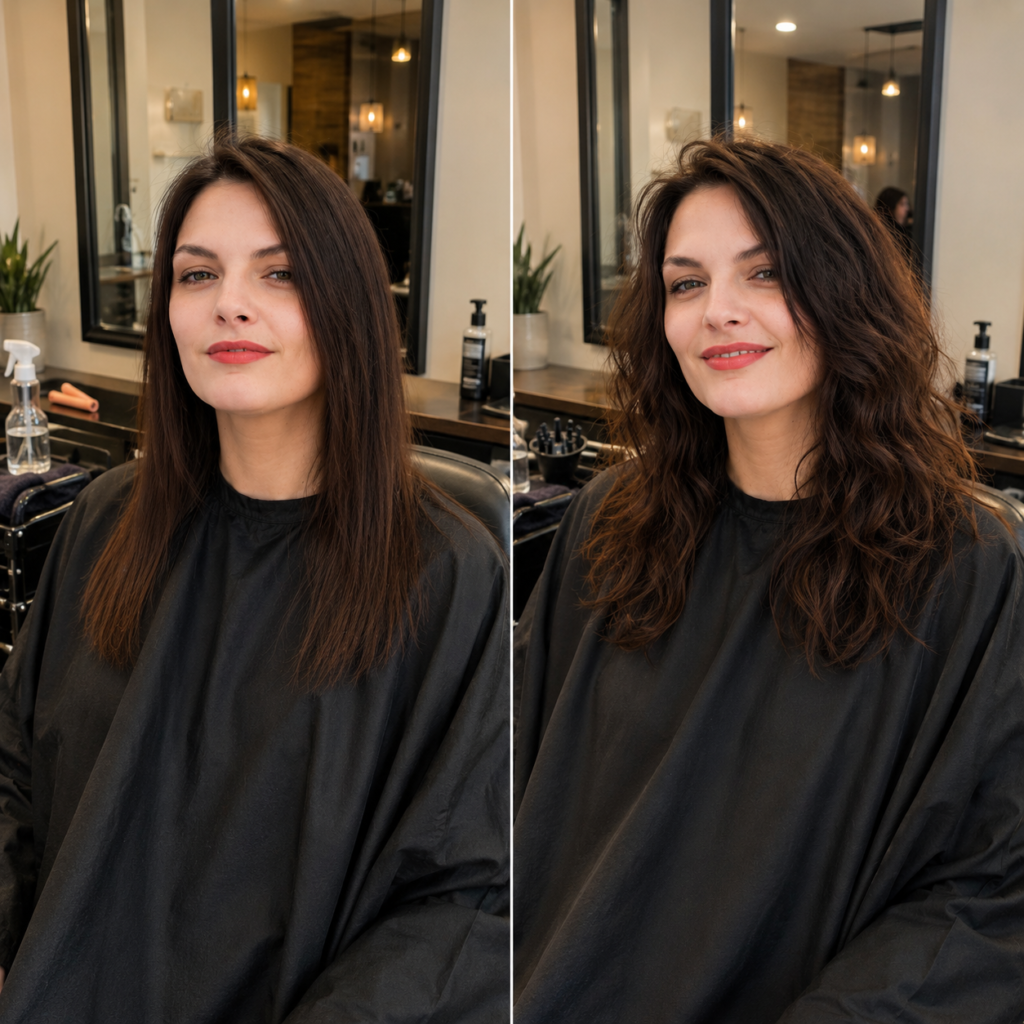
Best for: Straight to wavy hair. Medium to long hair. Clients who want low-maintenance texture.
How long it lasts: Approximately 4 months.
Maintenance level: Low to moderate. Some scrunching and product is needed to keep the waves looking intentional.
Approximate cost: $100–$200.
Stylist take from Talia Brooks: “This one is slightly overhyped — yes, it creates soft texture, but it won’t perfectly mimic natural beach waves without some styling on your end. Clients should expect a structured wave base that still requires scrunching or product to look effortless. It’s a great starting point, but it’s not a wash-and-go miracle.”
Digital Perm
The digital perm is a hot perm technique that originated in Asia and has become popular worldwide. It uses temperature-controlled rods and an acidic solution to create soft, natural-looking waves that come to life when blow-dried. The curls tend to look straighter when wet and wavier when dry — the opposite of a cold perm.
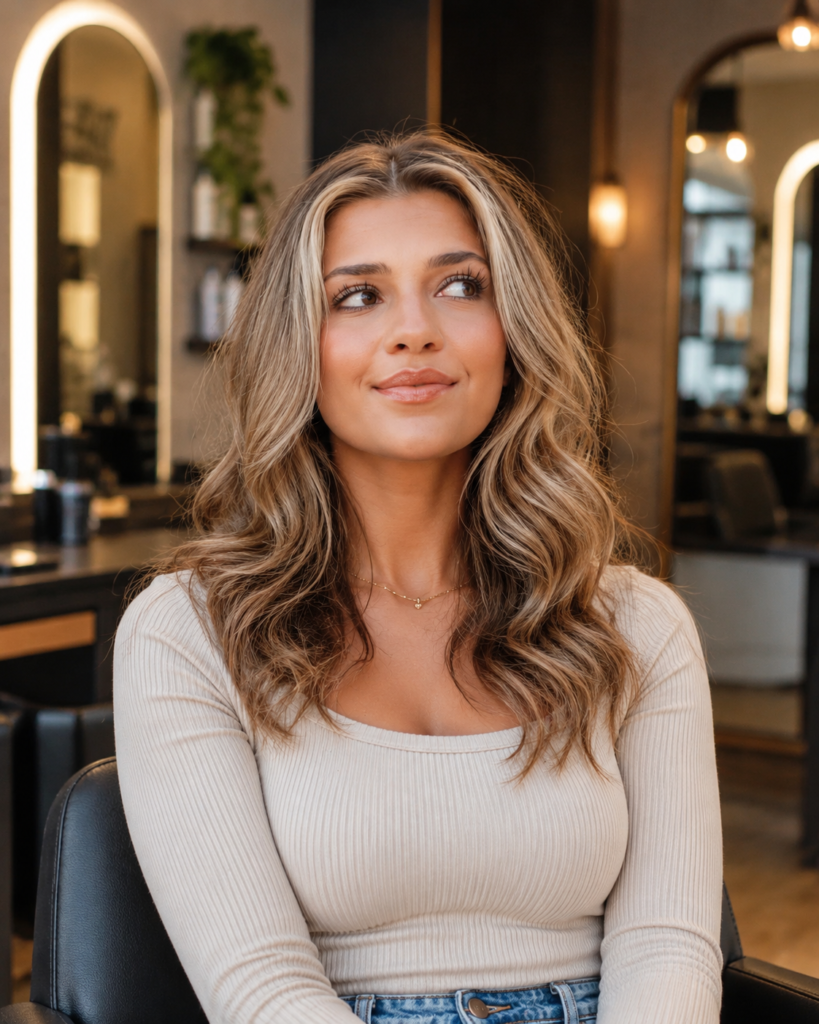
Best for: Fine to medium hair. Short to long hair. Clients who blow-dry regularly and want low-frizz results.
How long it lasts: 4–6 months.
Maintenance level: Low to moderate. The curls activate with heat, so blow-drying is part of the routine.
Approximate cost: $150–$300+ (higher due to specialized equipment and longer processing time).
Stylist take from Talia Brooks: “If we offer digital perms, it’s worth the higher price because it delivers softer, more natural-looking curls that activate with heat styling — great for polished, low-frizz looks. The technology requires specialized training and equipment, which is why not every salon provides it.”
Pin Curl Perm
The pin curl perm is one of the gentlest options available. Instead of chemical solutions and rods, it uses pins and curlers to create soft, bouncy curls with natural movement. The trade-off is that results don’t last as long since no chemical restructuring is involved.
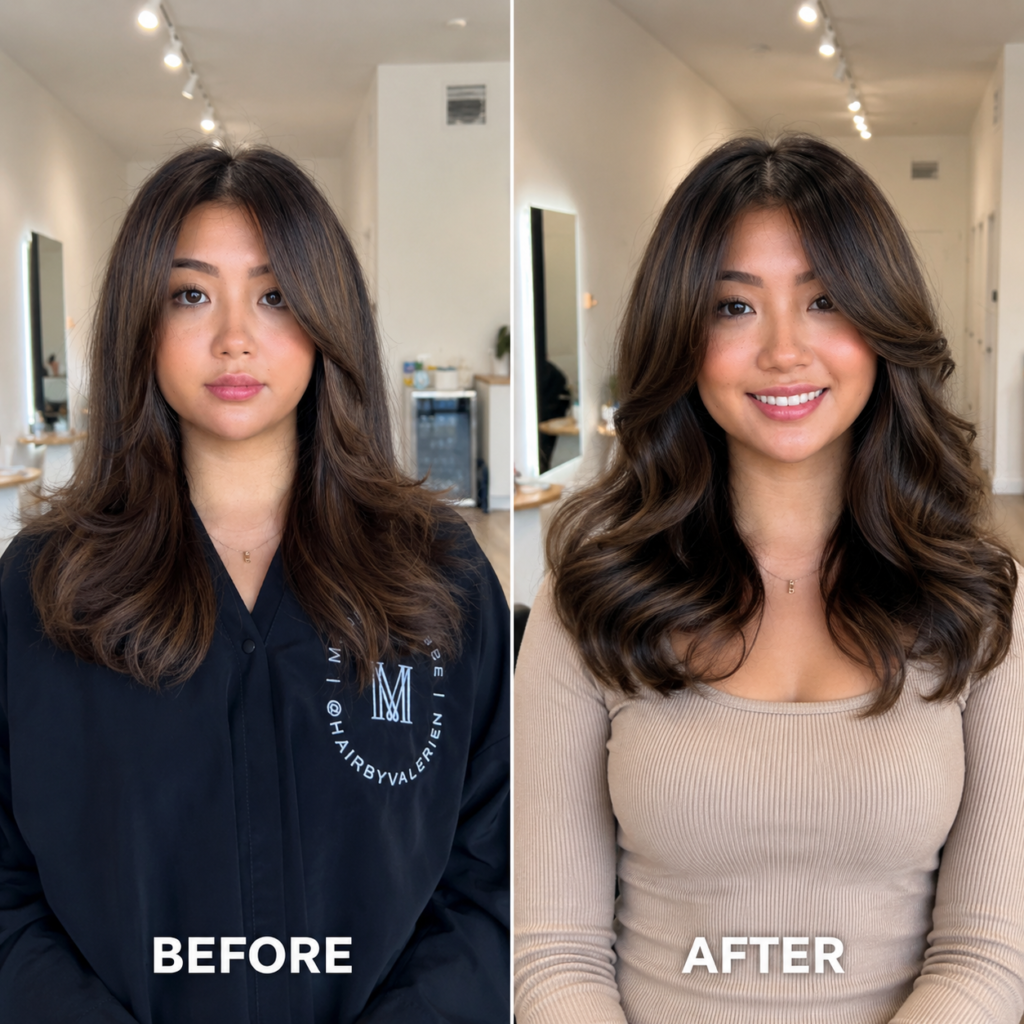
Best for: Short to medium hair. Clients who want soft, vintage-inspired waves or controlled movement without chemicals. Layered cuts where shape matters more than volume.
How long it lasts: 3–6 months (varies significantly since no chemicals are used).
Maintenance level: Low.
Approximate cost: $60–$150.
Stylist take from Talia Brooks: “Pin curl perms are one of our specialties. They aren’t as commonly requested today, but they’re ideal for clients who want soft, vintage-style waves or controlled movement rather than tight curls. They work especially well on shorter styles or layered cuts where shape matters more than volume.”
Partial Perm (Spot Perm)
A partial perm targets specific sections of the hair rather than the entire head. It’s a strategic approach — your stylist applies the perm solution and rods only to the areas that need curl, volume, or texture, leaving the rest of your hair untouched.
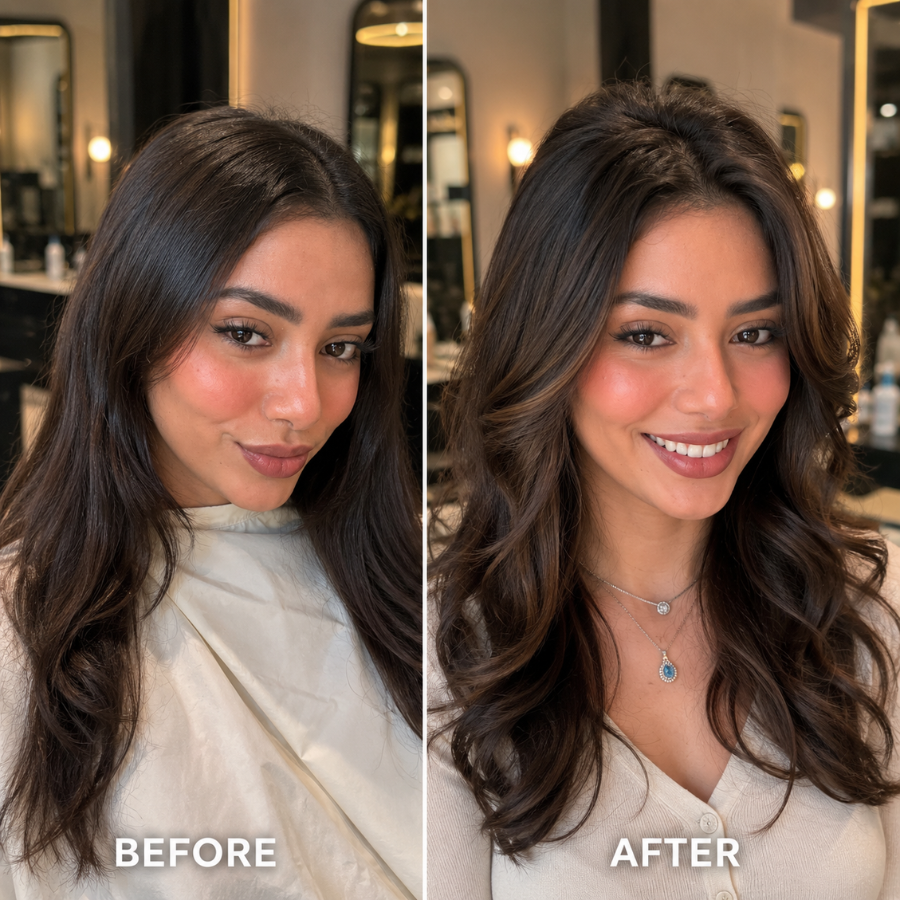
Best for: Clients who want to add volume at the crown, conceal thinning areas, or balance out uneven curl patterns. Works on all hair lengths.
How long it lasts: Varies based on the treated area and curl size.
Maintenance level: Low. Only part of the hair requires perm-specific care.
Approximate cost: $60–$150 (less product and time than a full perm).
Stylist take from Talia Brooks: “I recommend a partial perm when only certain areas need texture — like adding volume at the crown or curl to flat sections. It’s a smarter, lower-damage option than a full perm when the goal isn’t uniform curls all over.”
Root Perm
A root perm focuses exclusively on the first two to four inches of hair near the scalp. The purpose is to add lift and volume at the roots without altering the rest of the hair. It’s a targeted solution for flat, limp hair that won’t hold body.
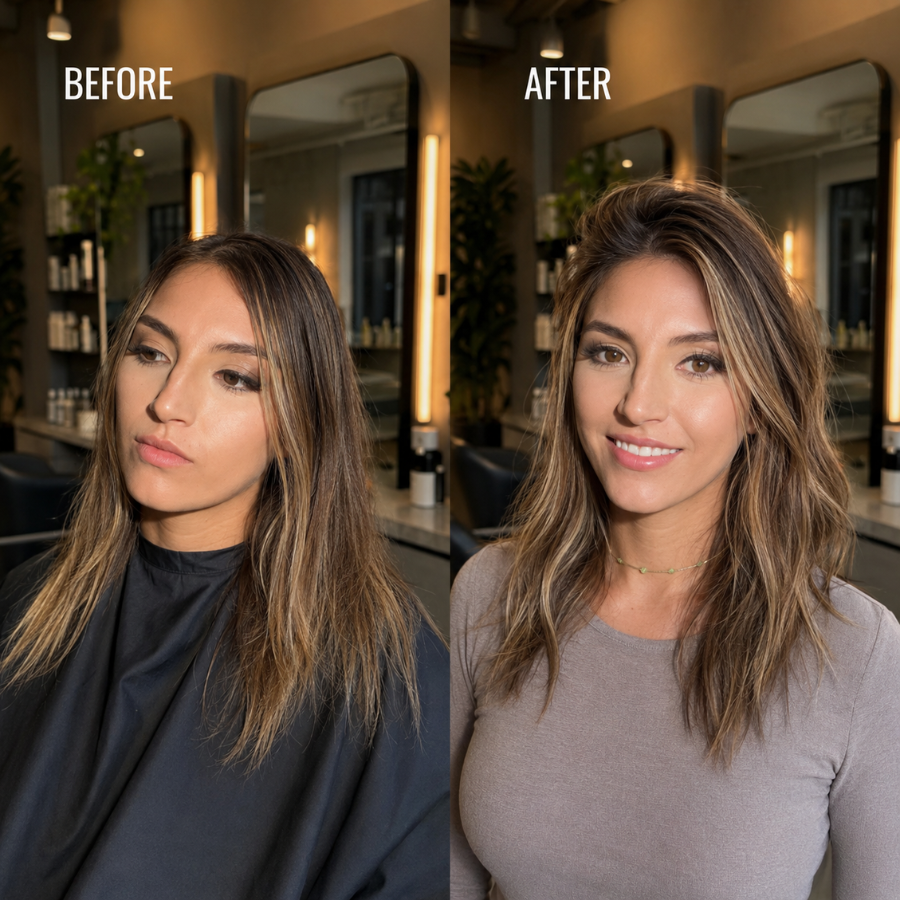
Source: Salon 1150 Pinterest account
Best for: Fine or thin hair that lies flat at the roots. Short to medium hair. Clients who already have a perm and want to avoid re-processing the lengths.
How long it lasts: Approximately 1 month.
Maintenance level: Very low day-to-day, but requires more frequent salon visits for touch-ups.
Approximate cost: $60–$120.
Stylist take from Talia Brooks: “Clients typically return every six to ten weeks for touch-ups depending on growth. It’s worth it for lifting flat roots, but it’s not a standalone solution — you’ll still need some styling for the mid-lengths and ends.”
Stack Perm
The stack perm is a variation of the partial perm that focuses on the middle and lower sections of the hair while leaving the roots untouched. Different rod sizes are used throughout these sections to create a layered, graduated curl effect with smooth transitions.
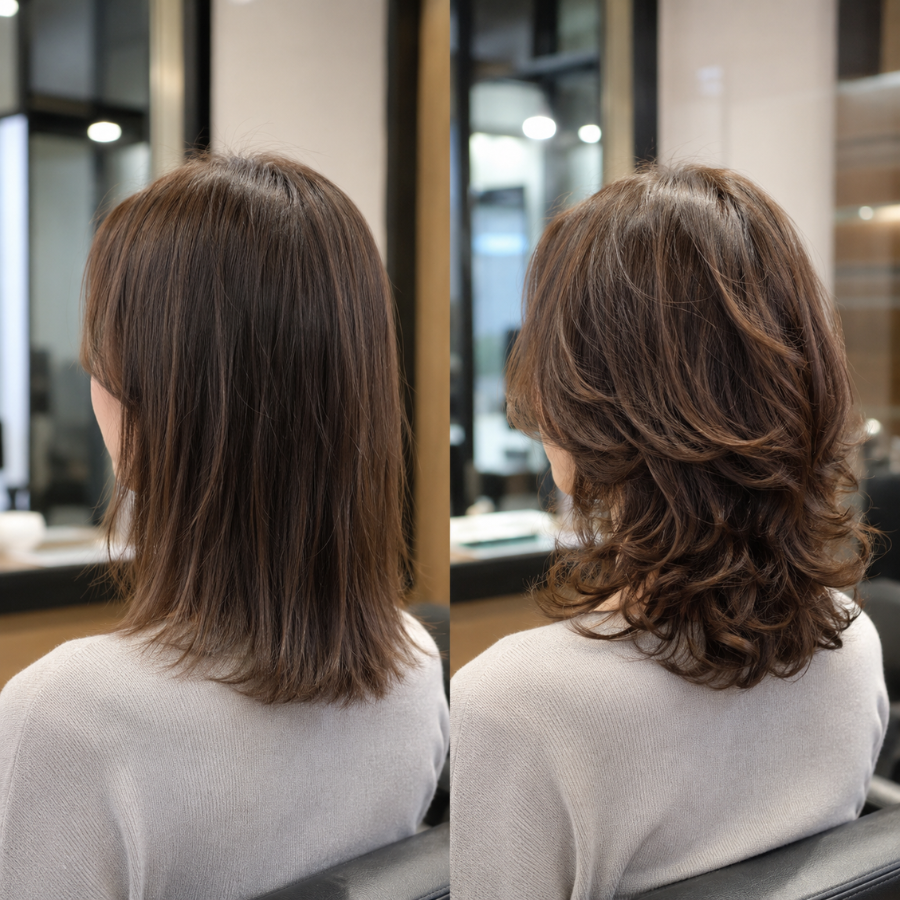
Best for: Layered haircuts. Fine hair that needs fullness in the mid-lengths and ends. Short to medium hair.
How long it lasts: 4–5 months.
Maintenance level: Low.
Approximate cost: $80–$180.
Stylist take from Talia Brooks: “Stack perms are great for adding volume and fullness to layered or fine hair, especially in the mid-to-lower sections. Clients with flat, lifeless ends benefit the most because it creates a fuller silhouette without overloading the top of the head.”
Multi-Textured Perm
A multi-textured perm uses rods and rollers of different sizes throughout the hair to create a mix of tight and loose curls. The result is a layered, natural-looking curl pattern that avoids the uniform look of a single-size rod perm.
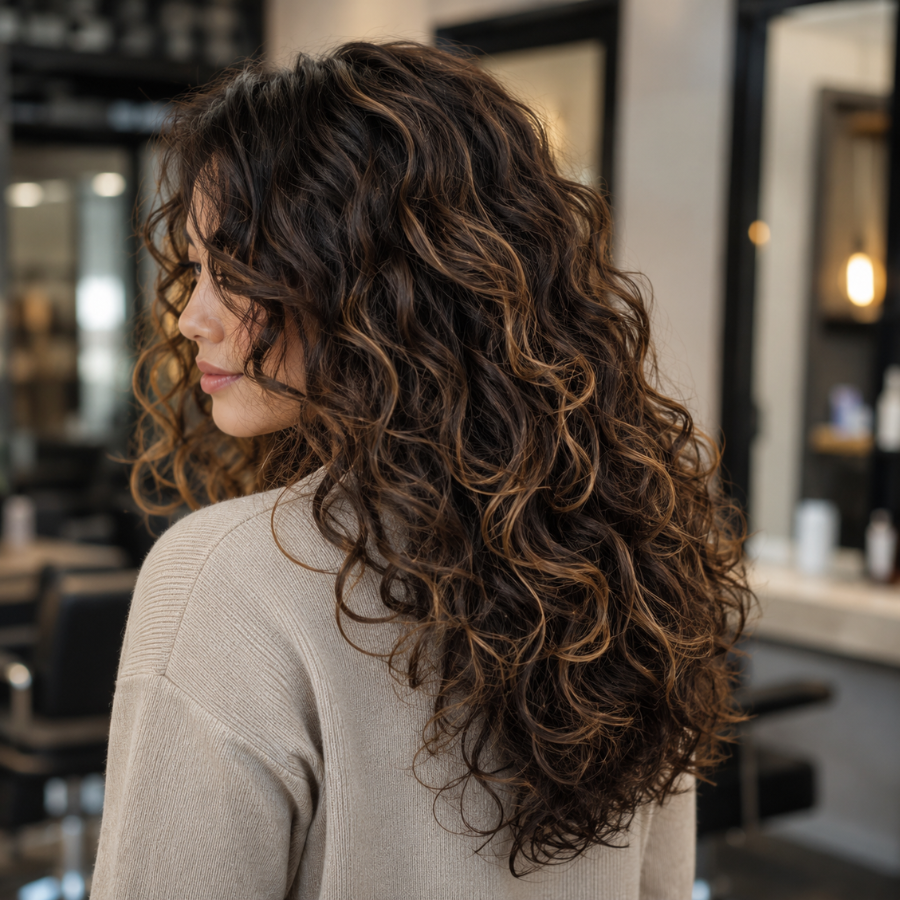
Best for: Medium to long hair. Clients who want natural-looking curls with varied texture.
How long it lasts: 3–4 months.
Maintenance level: Moderate. The varied curl pattern requires some styling knowledge to maintain.
Approximate cost: $120–$250.
Stylist take from Talia Brooks: “Choosing the rod sizes for a multi-textured perm is absolutely an art. You mix sizes based on the haircut, face shape, and the kind of movement the client wants. The goal is controlled randomness — curls that don’t look too uniform or artificial.”
Straight Perm (Reverse Perm)
The straight perm — also called a reverse perm or Japanese straightening — does the opposite of every other perm on this list. It uses heat (typically a flat iron) and chemical solutions to permanently straighten curly or wavy hair. The results are sleek and long-lasting, but the process is intensive.
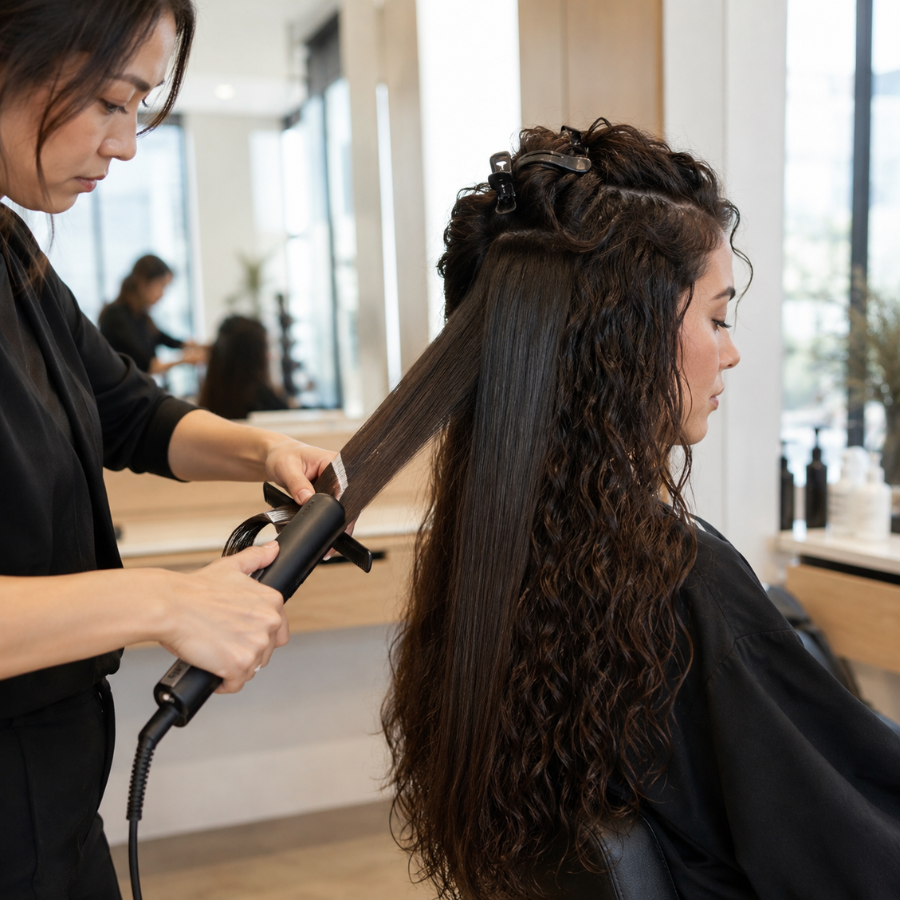
Best for: Naturally curly or wavy hair. Clients who want long-term smoothing without daily flat-ironing.
How long it lasts: 6–7 months.
Maintenance level: Low daily maintenance, but the initial appointment takes 6–8 hours.
Approximate cost: $200–$400+ (due to the length and complexity of the process).
Stylist take from Talia Brooks: “If we offer this service, I always warn clients that it’s a chemical process closer to relaxing than styling — it’s not reversible. It can cause dryness and damage, especially on previously treated hair. Anyone considering a straight perm needs a thorough consultation first.”
Perm Chart: Which Perm Is Right for Your Hair Type?
Choosing the right perm depends on two things: your hair type and your hair length. Use the chart below to narrow down which styles are worth discussing with your stylist.
| Hair Type / Length | Recommended Perm Types | Result You’ll Get |
|---|---|---|
| Long hair | Spiral perm, Beach wave perm, Body wave perm, Multi-textured perm | Defined curls, soft waves, or textured movement |
| Short hair | Pin curl perm, Root perm, Spiral perm, Digital perm | Volume, bounce, and controlled curls |
| Curly hair | Straight perm, Partial perm, Spiral perm | Smoothing, curl refinement, or enhanced definition |
| Straight / wavy hair | Beach wave perm, Multi-textured perm, Pin curl perm, Stack perm | Added texture, waves, and body |
| Fine / thin hair | Root perm, Digital perm, Body wave perm, Stack perm | Volume, lift, and soft waves without weight |
A note from Talia Brooks: “A perm is not the problem — bad matching is the problem. The wrong perm for your hair type, texture, or maintenance habits is what leads to disappointment, not the service itself. That’s why a consultation matters so much.”
How Long Does a Perm Last?
Perm longevity varies significantly by type. Here’s a quick reference:
| Perm Type | Average Duration |
|---|---|
| Spiral Perm | Up to 6 months |
| Body Wave Perm | 3–5 months |
| Beach Wave Perm | ~4 months |
| Digital Perm | 4–6 months |
| Pin Curl Perm | 3–6 months |
| Partial Perm | Varies by area |
| Root Perm | ~1 month |
| Stack Perm | 4–5 months |
| Multi-Textured Perm | 3–4 months |
| Straight Perm | 6–7 months |
Keep in mind that these are averages. Your actual results depend on hair length, hair health, how well you follow aftercare instructions, and whether you schedule regular trims. Longer hair tends to lose curl definition faster as the weight pulls the wave pattern down.
How Much Does a Perm Cost?
Perm pricing typically falls between $60 and $250+, depending on the perm type, your hair length and density, and the salon’s location and experience level. Simpler services like partial or root perms sit on the lower end, while spiral, digital, straight, or long-hair perms cost more because they require more product, skill, and chair time.
At Salon 1150, we present pricing as “starting at” rather than fixed, because the right quote depends on what your hair actually needs. A consultation is the best way to avoid surprises.
You should also factor in maintenance costs. Some perms need touch-ups every month (root perms), while others last six months or more with minimal upkeep. When comparing prices, think about the total cost over time — not just the initial appointment.
What to Do Before Getting a Perm
A few simple steps will help you get the best possible result:
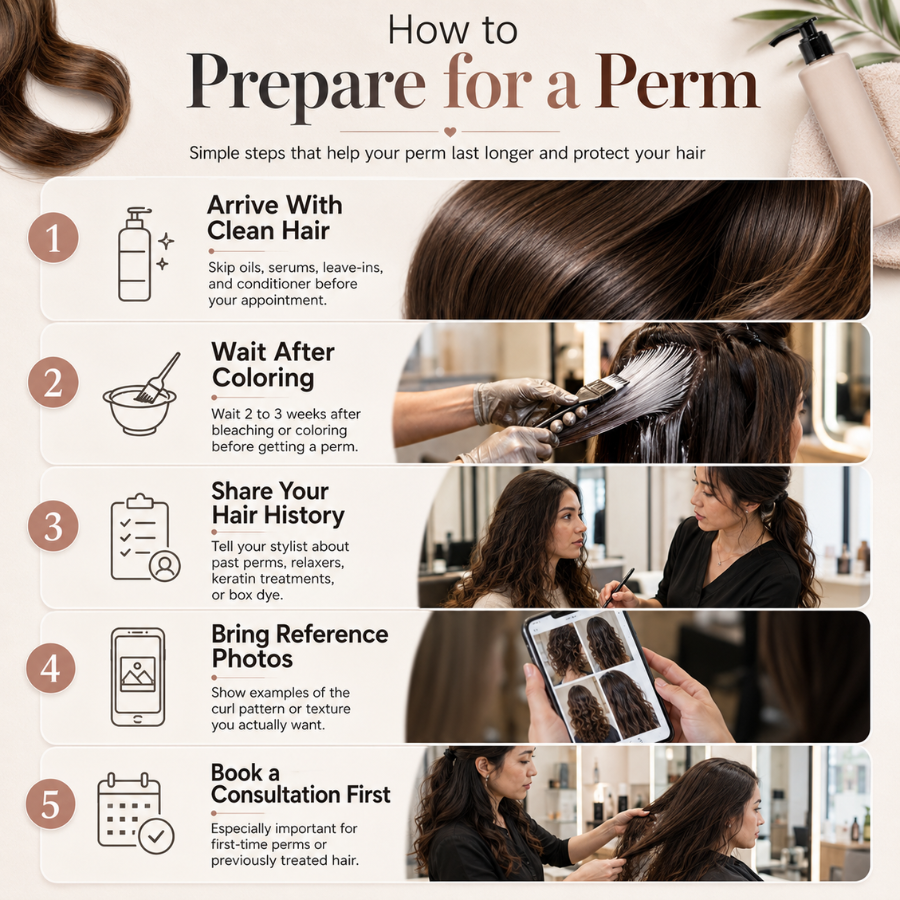
Arrive with clean hair that’s free from heavy products like leave-in conditioners, oils, or serums. Skip conditioner on the day of your appointment. If you’ve recently colored or bleached your hair, wait at least two to three weeks before perming to give your hair time to recover. Be honest with your stylist about your full hair history — previous chemical treatments, relaxers, keratin treatments, or at-home color can all affect how your hair responds to a perm solution.
Most importantly, bring a photo or be prepared to describe the finish you want. Don’t just say “beach waves” — explain whether you want soft texture, bigger bends, or a visibly curled result, because those are three very different outcomes.
A word on consultations: At Salon 1150, we strongly recommend a consultation before any perm, especially for first-time clients or anyone with colored, bleached, or previously treated hair. A quick hair history review saves you from disappointment and protects your hair from unnecessary damage.
Perm Aftercare: How to Make Your Curls Last
The first 24 to 48 hours after a perm are critical. Avoid washing, wetting, or manipulating your hair during this window – premature washing can weaken the newly set curl pattern and alter the results.
After the initial setting period, focus on hydration. Perms remove moisture from the hair, so using a sulfate-free shampoo and a deep conditioner designed for chemically treated hair will help keep curls soft and defined. Avoid brushing aggressively — use a wide-tooth comb or finger-detangle instead.
For a complete breakdown of everything you need to know about maintaining your perm, read our detailed guide: Perm Aftercare: Expert Tips to Keep Your Curls Healthy and Bouncy.
Can You Perm Colored or Damaged Hair?
Perming colored hair is possible, but it’s not something that should be done back-to-back with a color treatment. Both processes stress the hair, and doing them in succession significantly increases the risk of dryness, breakage, and uneven results.
The general recommendation is to complete one treatment and then wait at least three to four weeks before the other, giving your hair time to recover. Your stylist should assess your hair’s porosity and overall condition before proceeding.
If your hair is already over-processed, severely dry, very fragile, or recently bleached, a responsible stylist will decline the service or recommend waiting. At Salon 1150, protecting your hair matters more to us than booking the appointment.
Common Perm Myths — What Our Stylists Actually See
“Perms are automatically damaging and frizzy.” This is the biggest myth that still stops people from considering a perm. A well-matched perm with proper aftercare can look soft, modern, and healthy. The problems people associate with perms almost always come from poor matching — the wrong technique for the hair type — not from the service itself.
“You can wash your hair right after.” The most common aftercare mistake is wetting or washing the hair too soon. The curl pattern needs time to fully set, and premature washing can make the perm inconsistent or cause it to relax prematurely.
“All perms look the same.” Clients frequently confuse perm types. Someone might ask for “beach waves” when they actually want the softer volume of a body wave, or request “curly” when they really want movement and bend. That’s why we always clarify the finish you want rather than going by the name you’ve heard online.
“At-home perm kits work just as well.” Our honest take: at-home perm kits are risky and usually not worth it unless you already understand hair chemistry, sectioning, rod placement, and timing at a professional level. A perm isn’t just about wrapping hair — it’s about controlling damage, curl pattern, and tension. Mistakes can lead to uneven results or serious breakage. A professional consultation is almost always the safer choice.
Perm Trends: What’s Changing in 2026
Perm demand has been rising steadily, especially among younger clients who want a low-effort texture instead of spending time with a curling iron every morning. The shift is away from perfectly styled curls and toward natural-looking movement — hair that looks intentional without looking overly “done.”
What we’re seeing at Salon 1150 is that perms are being rebranded as texture services. Clients aren’t asking for “a perm” in the traditional sense. They’re asking for more movement, less daily styling, and hair that works with their lifestyle rather than against it.
Frequently Asked Questions
What type of perm should I get?
Start with your hair length and texture. Fine hair benefits from root perms, body waves, or digital perms. Long hair works well with spiral perms, beach waves, or multi-textured perms. Curly hair that you want to smooth benefits from a straight perm. The best approach is always a consultation where your stylist can assess your hair in person.
How long does a perm appointment take?
Most perm appointments take between 1.5 and 4 hours, depending on the type. Root or partial perms are on the shorter end, while spiral, digital, or long-hair perms can take several hours. Straight perms are the longest — typically 6 to 8 hours.
Do perms damage your hair?
Any chemical treatment has the potential to cause damage if it’s done incorrectly or on hair that isn’t healthy enough to handle it. A properly matched perm performed by an experienced stylist on healthy hair should not cause significant damage. Aftercare is equally important — skipping moisture or using harsh products can make a perm look and feel damaged even when the treatment itself was done correctly.
What’s the difference between a body wave and a beach wave perm?
A body wave perm creates subtle volume and gentle bend using large rollers — think fullness rather than visible waves. A beach wave perm aims for a more textured, slightly undone look using soft rollers or flexible techniques. Body waves are softer and more understated; beach waves have more visible texture.
Can I straighten my hair after getting a perm?
You can occasionally flat-iron permed hair, but doing it frequently defeats the purpose of the perm and can cause damage over time. If you want straight hair most of the time, a perm probably isn’t the right choice.
How do I know if my hair is healthy enough for a perm?
A stylist will assess your hair’s elasticity, porosity, and overall condition during a consultation. Hair that snaps easily, feels gummy when wet, or has been heavily bleached recently may not be a good candidate. At Salon 1150, we’ll always be honest about whether your hair is ready.
Ready to find your perfect perm? Book a consultation at Salon 1150 and let our team match you with the right style for your hair type, length, and lifestyle.