If you’re wondering whether acrylic nails are a good idea right now, the answer depends less on nail length and more on nail health.
Acrylics can create beautiful, durable results when applied to healthy nails. But there are situations where a good nail technician will recommend waiting, choosing a different enhancement, or focusing on recovery first.
At Salon 1150, we assess nail health before every enhancement service because sometimes saying “not yet” is the safest recommendation.
Quick Answer: When Should You Avoid Acrylic Nails?
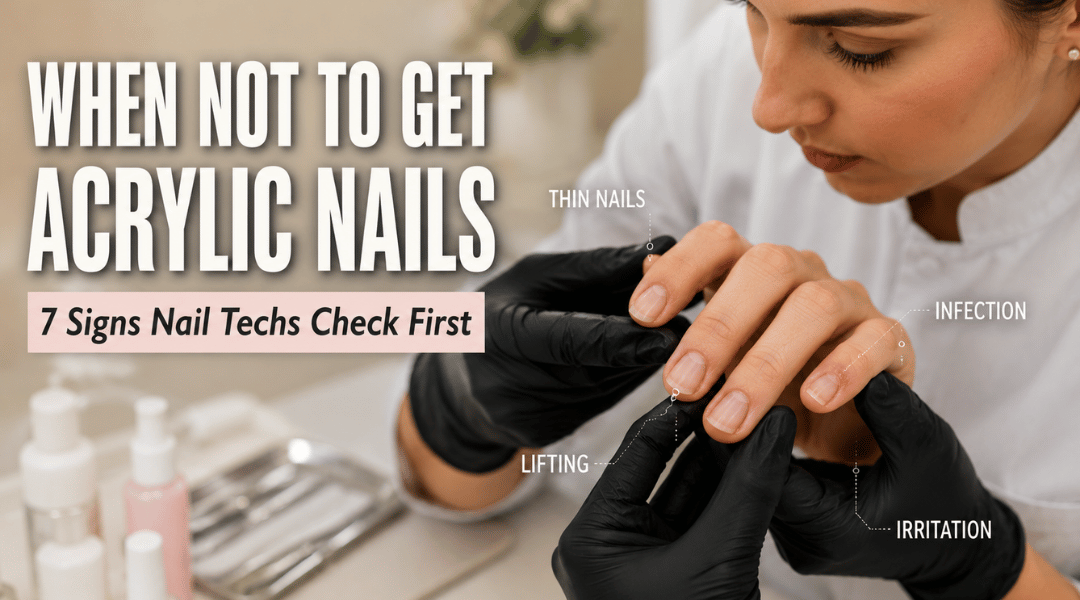
Consider postponing acrylic nails if any of these situations apply.
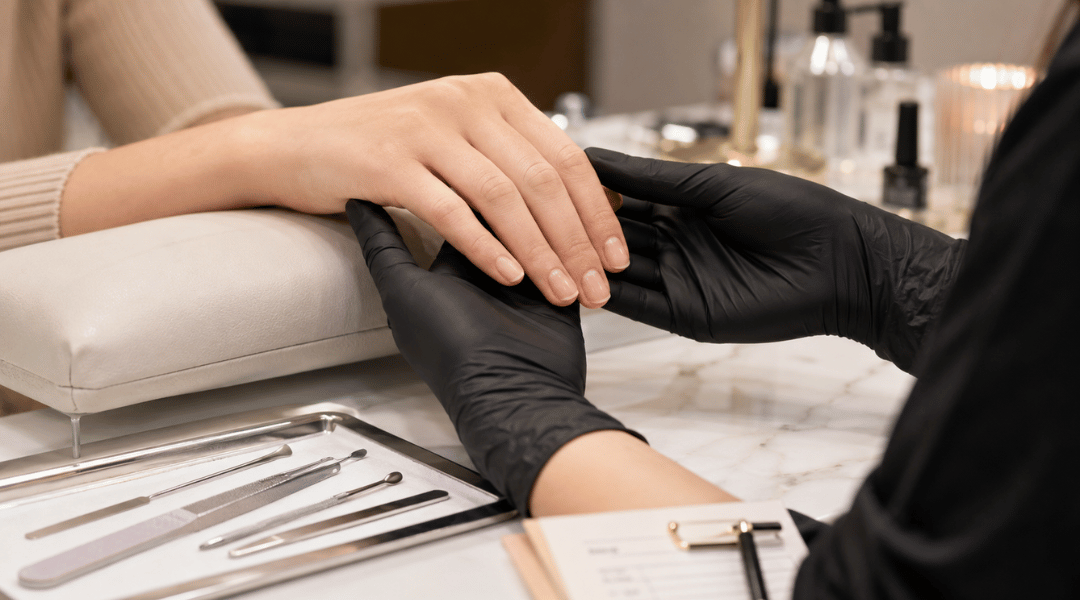
What Nail Technicians Check Before Applying Acrylics
Many clients assume nail length determines whether acrylics will work. In reality, technicians focus on nail condition.
1. Visible Nail Infection
Yellow, green, brown, or unusual discoloration can indicate an underlying infection. Applying acrylics over an active infection can trap moisture, make monitoring more difficult, and potentially worsen the problem.
If you’re seeing unusual discoloration after removing enhancements, our guide on yellow nail causes, treatments, and prevention can help you understand what may be happening before booking another service.
Acrylics should wait until the infection has been properly treated and the nail has recovered.
2. Nail Bed Separation (Onycholysis)
Onycholysis occurs when the nail begins separating from the skin underneath. You may notice a white or opaque area under the nail, increased lifting, or a loose feeling at the tip.
Because acrylics add weight and leverage, they can worsen separation and extend recovery time. Most technicians will recommend keeping nails short and allowing the nail to reattach before considering enhancements again.
3. Open Wounds, Irritation, or Active Cuticle Infections
Acrylic application should never occur over broken skin. Redness, swelling, tenderness, bleeding, or signs of infection around the cuticle indicate that the area needs time to heal before enhancements can be safely applied.
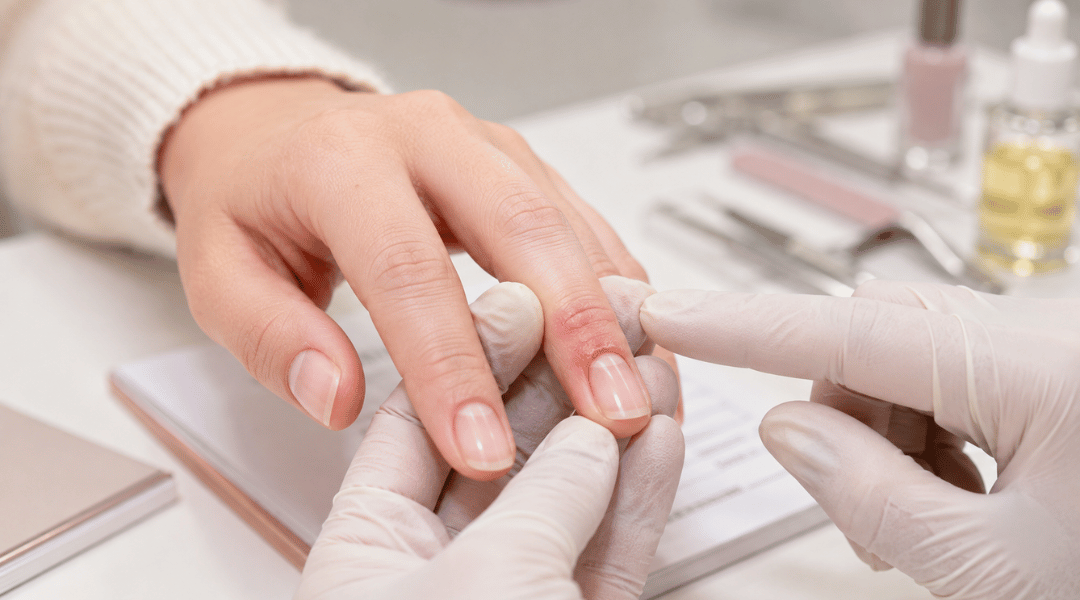
While waiting may be frustrating, protecting the health of the nail and surrounding skin is always the better long-term choice.
4. Nails That Are Too Thin for Acrylics
One of the most common questions we hear is: Can nails be too thin for acrylics?
Yes.
Nails that bend easily, peel in layers, or feel painful when pressure is applied often lack the stability acrylics need for proper adhesion. In severe cases, the nail may appear almost transparent near the free edge.
When this happens, recovery should take priority. If your nails have already been weakened by enhancements, our guide to repairing damaged nails after acrylics and gel explains what realistic recovery looks like and how long it may take.
5. Confirmed Acrylate Allergy
Acrylate allergies often begin with redness, itching, or burning around the nail area. For some people, symptoms progress to swelling, blistering, or irritation that extends beyond the fingertips.
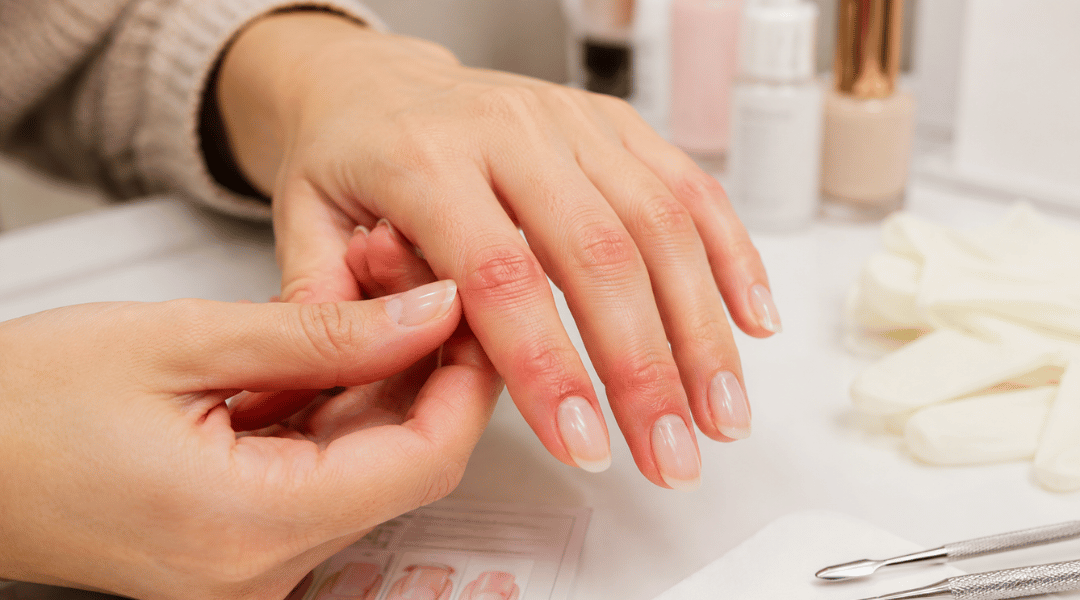
Unlike temporary nail damage, allergies often become more severe with repeated exposure. Anyone experiencing these symptoms should discontinue use and consult a healthcare professional before considering future nail enhancements.
6. Medications That Affect Healing
Certain medications can increase skin sensitivity, slow healing, or affect nail integrity. Some acne medications, chemotherapy treatments, and immunosuppressants are common examples.
If you’re unsure whether a medication could affect nail services, discuss it with both your healthcare provider and nail technician before booking an appointment.
7. Chronic Lifting or Repeated Acrylic Failure
If acrylics consistently lift within days regardless of salon, product, or technician, the issue may not be technique.
Repeated lifting is often linked to factors such as naturally oily nail plates, extreme nail curvature, frequent water exposure, or underlying nail damage. If acrylics fail repeatedly across multiple salons, compatibility may be the issue rather than application quality.
Can You Get Acrylics on Short or Bitten Nails?
Often, yes.
Several people assume acrylics require long natural nails, but that’s not usually true. Healthy short nails can often support acrylic applications successfully.
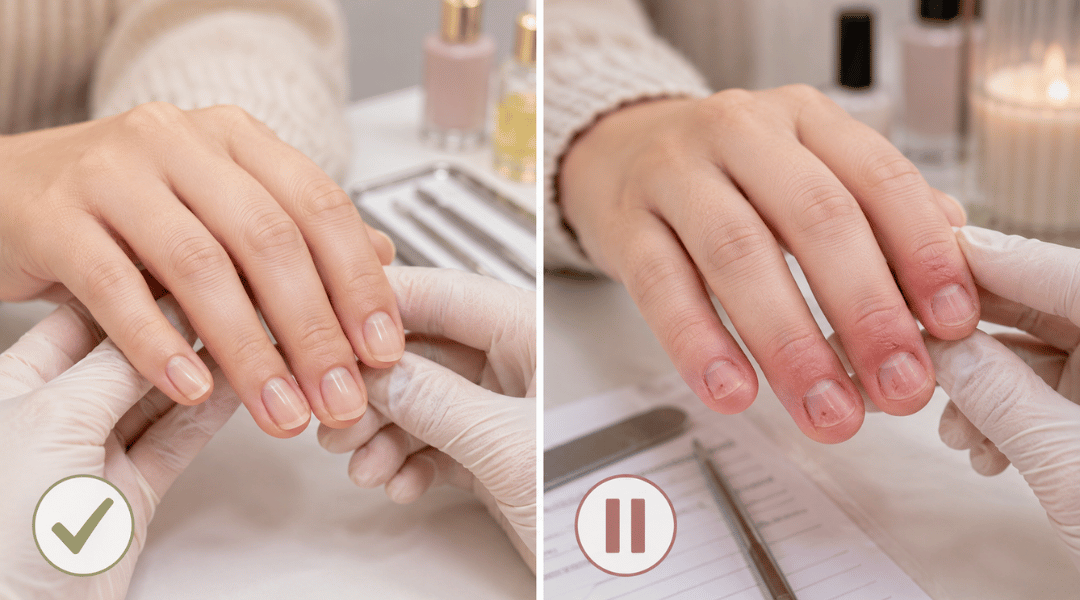
The bigger concern is nail condition. If nail biting has caused open skin, inflammation, nail bed damage, or chronic infection, a technician may recommend waiting until the area heals. Short nails are usually manageable. Damaged nails are not.
Temporary Problems vs Permanent Problems
| Condition | Usually Temporary | Can You Get Acrylics Later? |
|---|---|---|
| Fungal infection | Yes | Usually |
| Onycholysis | Yes | Usually |
| Thin nails | Yes | Usually |
| Medication-related issues | Depends | Depends |
| Acrylate allergy | Often No | Often Not Recommended |
Most nail concerns improve with time and proper care, which is why an initial refusal doesn’t necessarily mean you’ll never be a good candidate for acrylics.
What Recovery Actually Looks Like
Recovery is rarely immediate.
| Condition | Estimated Recovery Time |
|---|---|
| Mild thinning | 6–12 weeks |
| Peeling or splitting | 2–4 months |
| Severe damage | 3–6 months |
| Significant onycholysis | 6+ months |
| Nail infections | Varies based on treatment |
Recovery depends largely on new nail growth replacing damaged areas. If you’re curious about realistic regrowth expectations, our guide explaining how fast nails grow breaks down the average growth cycle and factors that affect recovery speed.
Myth vs Reality
| Myth | Reality |
|---|---|
| Nails need to breathe between sets | Nails receive oxygen through the bloodstream |
| Acrylics always damage natural nails | Improper application and removal cause most damage |
| Green discoloration always means fungus | Bacterial growth can also cause discoloration |
| Short nails cannot support acrylics | Many healthy short nails can successfully wear acrylics |
If you’ve ever heard that nails need air between manicures, our article on whether nails need to breathe explains what actually affects nail health.
Safer Alternatives While Your Nails Heal
If acrylics aren’t the right choice today, that doesn’t necessarily mean going without a manicure.
| Goal | Alternative |
|---|---|
| Temporary length | Press-on nails |
| Added strength | Builder gel |
| Minimal maintenance | Gel polish |
| Recovery period | Natural nail rehabilitation |
Comparing how long different manicures last can help you choose an option that fits your lifestyle while your natural nails recover.
For clients focusing on recovery, using one of the best nail strengtheners alongside regular hydration can help support healthier growth during the healing process.
FAQs
Can nails be too thin for acrylics?
Yes. Extremely thin, peeling, or painful nails often need recovery before they can safely support acrylic enhancements.
Can you get acrylics on short nails?
Yes. Nail health matters far more than nail length.
Can you get acrylics on bitten nails?
Sometimes. If nail biting has caused significant skin damage, inflammation, or infection, recovery is usually recommended first.
How long should you wait before getting acrylics again?
The answer depends on the condition being treated. Mild damage may improve within weeks, while severe damage can require several months of recovery.
What are the safest artificial nails?
There is no universally safest enhancement. The best choice depends on your nail health, lifestyle, and any sensitivities or allergies you may have.
Final Thoughts
Acrylic nails aren’t inherently harmful, but they aren’t right for every nail at every stage.
The best technicians don’t simply ask whether acrylics can be applied. They ask whether they should be applied.
If your nails are healthy, acrylics may be a great option. If they’re damaged, infected, lifting, or recovering from previous enhancements, taking time to address the underlying issue usually leads to better long-term results and healthier nails overall.