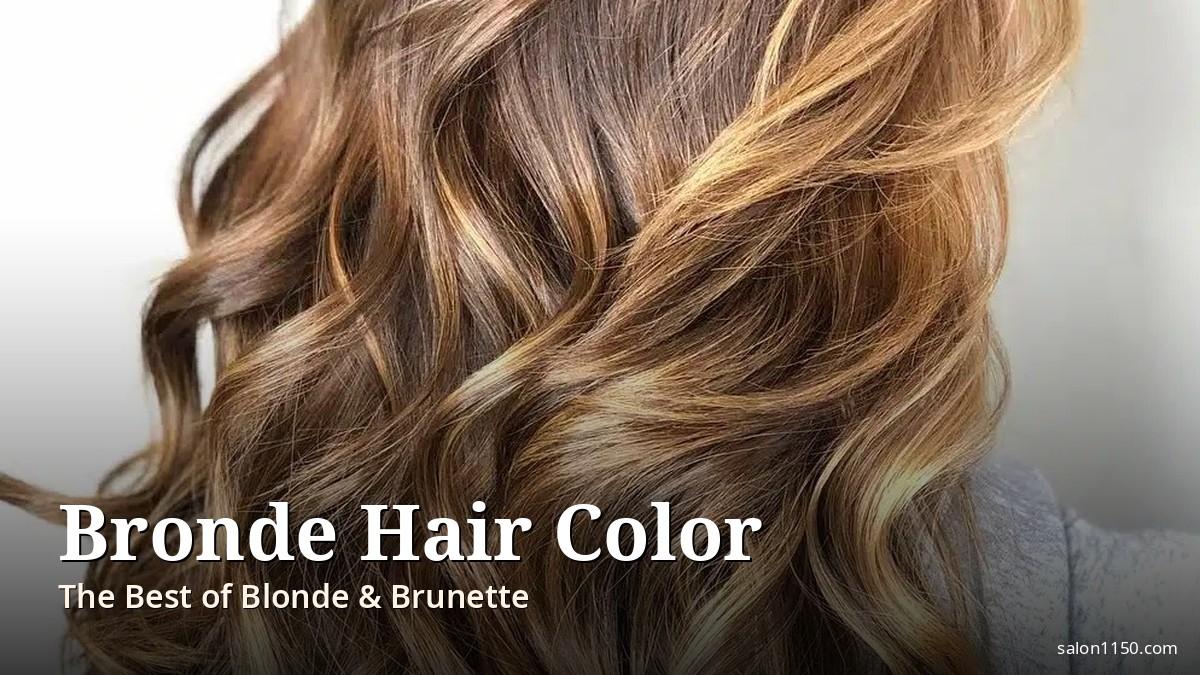
Bronde is everywhere right now — TikTok, Pinterest boards, salon mood boards — and almost every post calls it “the easiest hair color to maintain.” Here’s the part those posts leave out: most people who ask for bronde in a salon can’t actually describe what they want. They show a filtered screenshot. The colorist interprets. And somewhere between the reference photo and the rinse bowl, a disconnect happens.
This guide closes that gap. Shade breakdowns, technique comparisons, maintenance timelines that aren’t sugar-coated, and the exact language to use when you sit down for a consultation. Getting bronde right starts before the foils go in.
Preview it on yourself
Before you book the appointment, see the shade on your own hair — free, no signup, runs on your device.
What Is Bronde Hair Color?
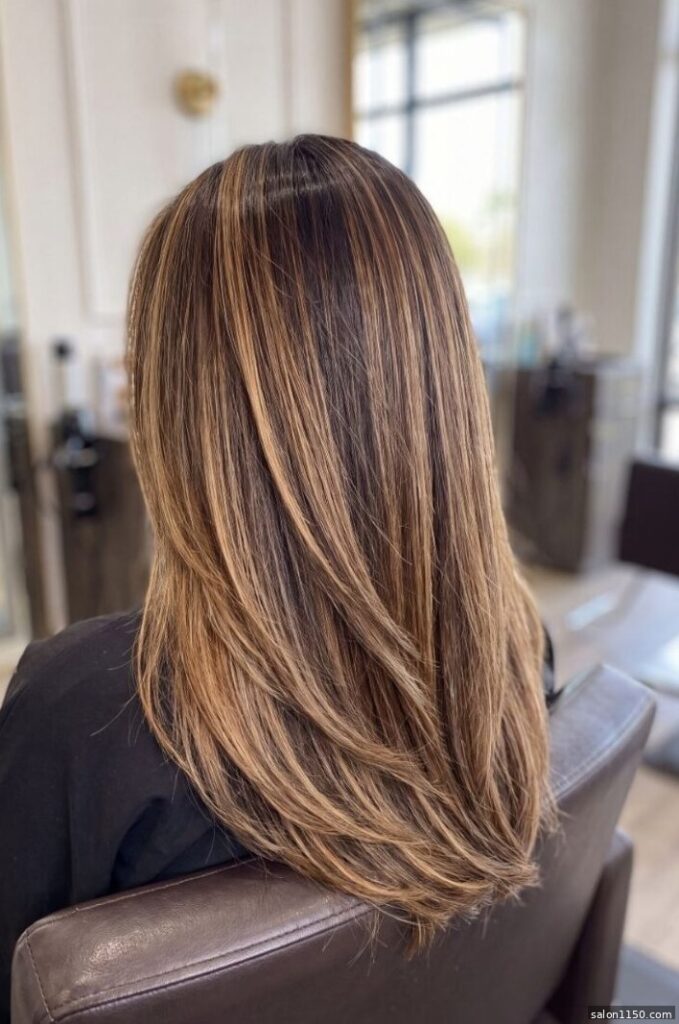
Bronde is a multi-dimensional hair color that blends blonde and brunette tones into a single, lived-in result. It typically falls between level 5 and level 8 on the hair color scale and is created through techniques like balayage, foil highlights, or glossing. The goal is natural, sun-kissed dimension — not a single flat shade.
- Intentional blend of blonde and brunette tones with visible dimension
- Typically level 5–8 on the hair color scale
- Created using balayage, highlights, gloss, or a combination
- Designed for a natural, lived-in finish rather than uniform color
The Tonal Range — It’s Not One Color
People confuse bronde with dirty blonde constantly. Dirty blonde is a single, muted tone — it sits flat, without contrast between light and dark. Bronde is the opposite. It’s built on contrast, on the interplay between a darker base and lighter pieces woven through it.
You might also hear “expensive brunette” used interchangeably. They’re related but not identical. Expensive brunette is a specific warm-toned variation — glossy, closer to the brunette end with just enough golden lift to catch light. Bronde is the broader umbrella that includes ash, caramel, and several other variations that look and behave very differently from each other.
Bronde vs Blonde vs Brunette
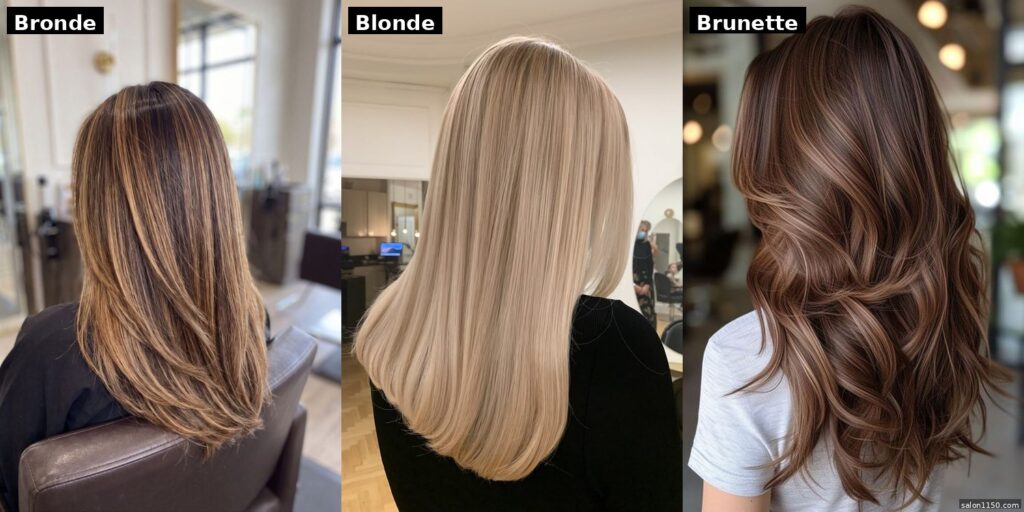
Blonde requires more lift, more processing, and more frequent root touch-ups — every 4–6 weeks is standard. Brassiness is a constant battle, especially for darker starting bases.
Brunette is lower maintenance by nature, but can read flat without glossing or dimensional work. Solid brunette doesn’t catch light the way multi-tonal color does, which is why so many brunettes eventually gravitate toward lightening.
Bronde delivers dimension without the aggressive lifting that full blonde demands. It grows out more naturally because the root area is typically darker by design. It’s not a compromise — it’s a deliberate color strategy.
Types of Bronde Hair Color
Warm Bronde (Golden, Honey, Caramel)
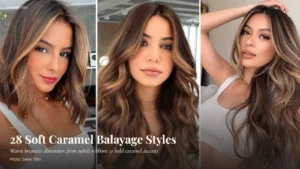
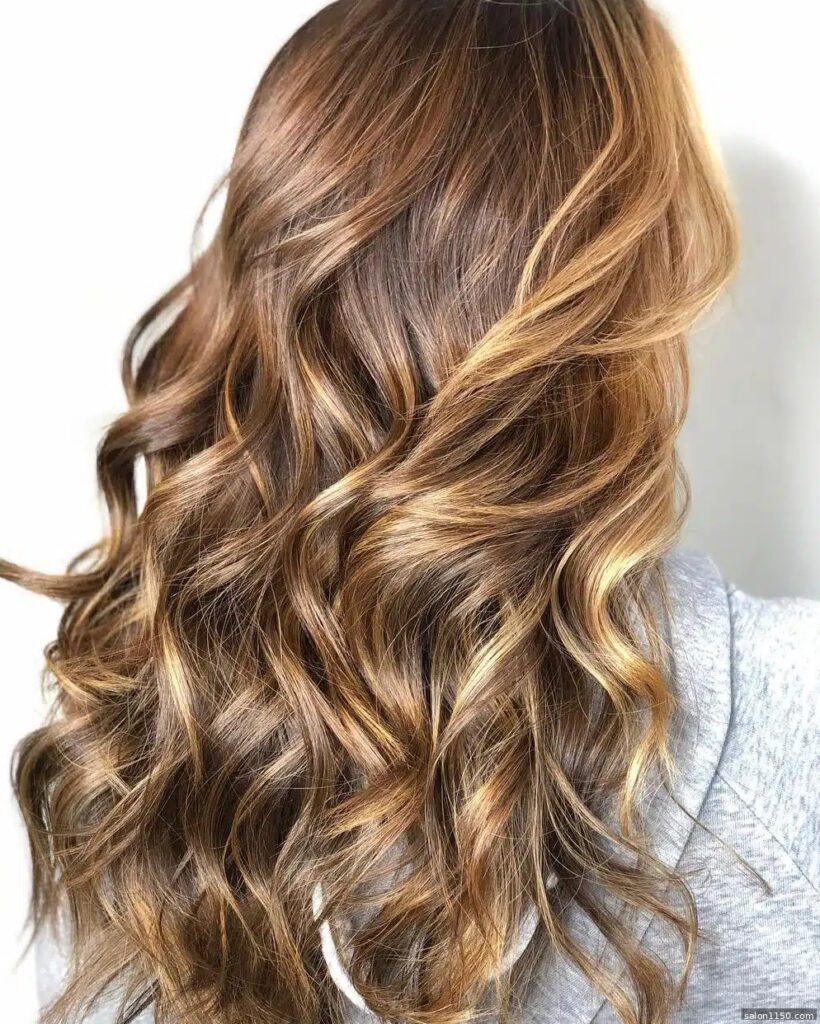
Warm bronde leans into gold, honey, and amber tones — the version that looks like weeks on a Mediterranean coast. It works particularly well on warm and neutral undertones and is forgiving in a way cooler brondes are not. As warm bronde fades, the slight brassiness that develops can actually look intentional.
If you’re drawn to caramel balayage styles, warm bronde is the neighborhood you’re shopping in. Understanding the difference between caramel and honey tones helps you communicate more precisely — “warm” alone is too vague for a consultation.
For warmer golden tones, explore our caramel hair color ideas guide.
Ash Bronde (Cool, Beige, Mushroom)
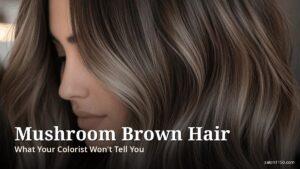
Ash bronde sits on the cool end — smoky beige, muted champagne, mushroom-toned. It reads sophisticated and modern. If you want to take the cool, smoky direction even further, our mushroom brown hair color guide has you covered.
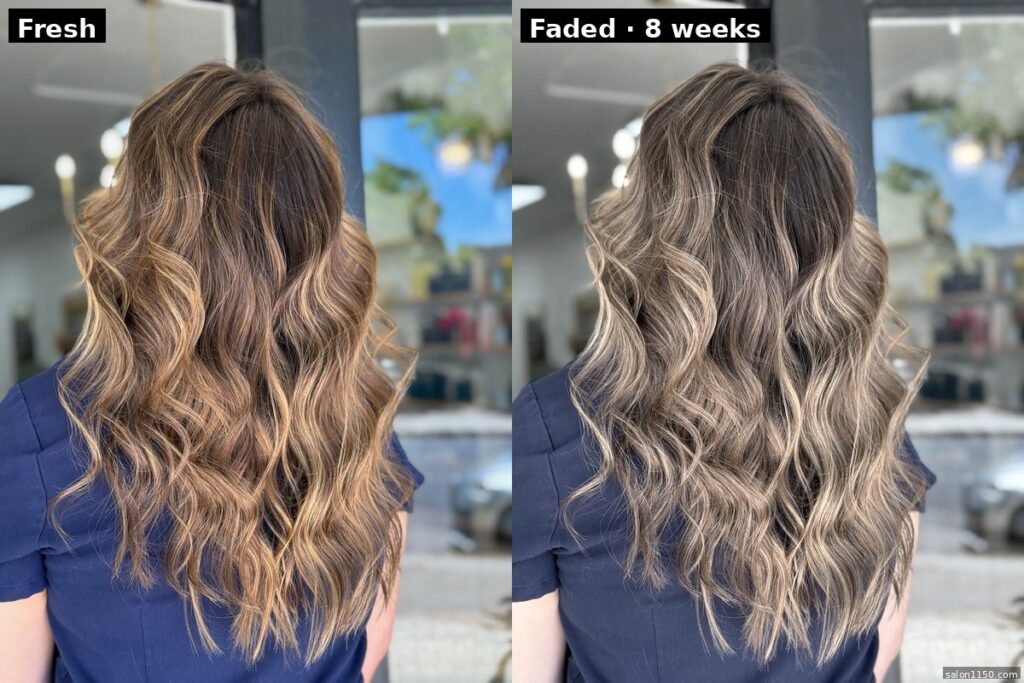
Here’s the catch: ash bronde is significantly harder to maintain. Cool tones are deposited on top of the hair’s natural warmth, which means they’re fighting against your hair’s baseline from day one. The toner starts fading within two to three weeks. By week six, most ash brondes have drifted noticeably warm. Hard water accelerates the fade. Heat styling accelerates it. If the upkeep sounds exhausting, warm bronde is the honest recommendation.
Dark Bronde
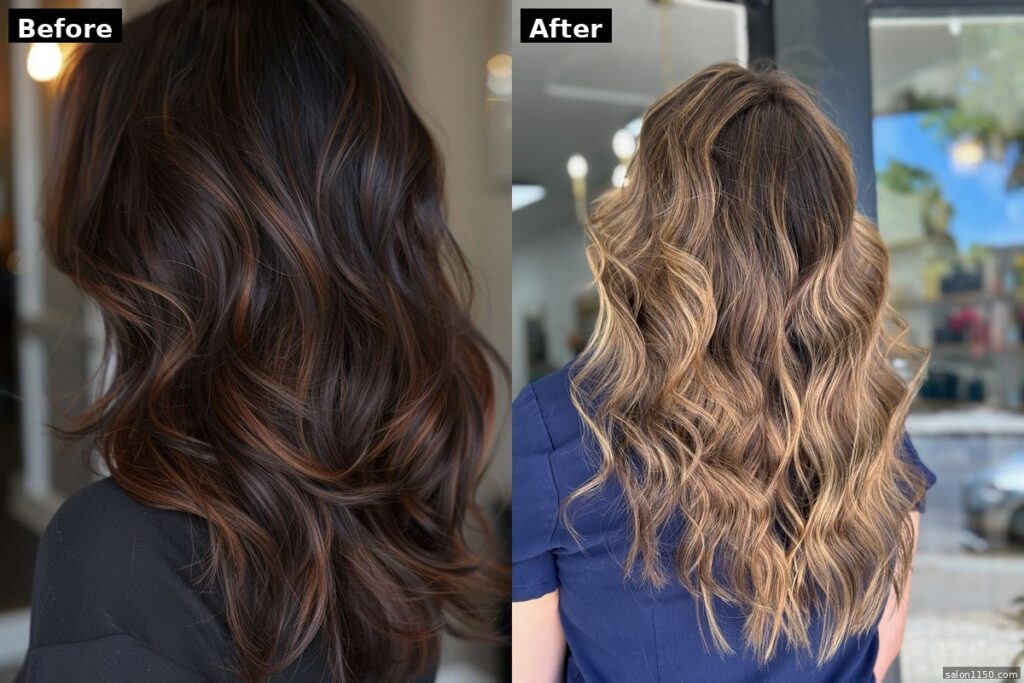
Dark bronde starts from a deeper base — level 4 or 5 — with lighter pieces threaded through for subtle brightness. Less lift required, less damage, gentler process. For naturally dark hair that’s curious about lightening, this is the entry point.
Root shadow is critical here. Without it, the grow-out creates a hard line at the roots that looks unfinished rather than intentional.
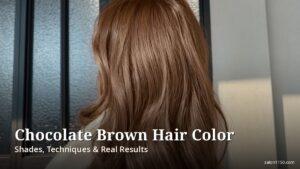
For a deeper brunette option, see our chocolate brown hair color guide.
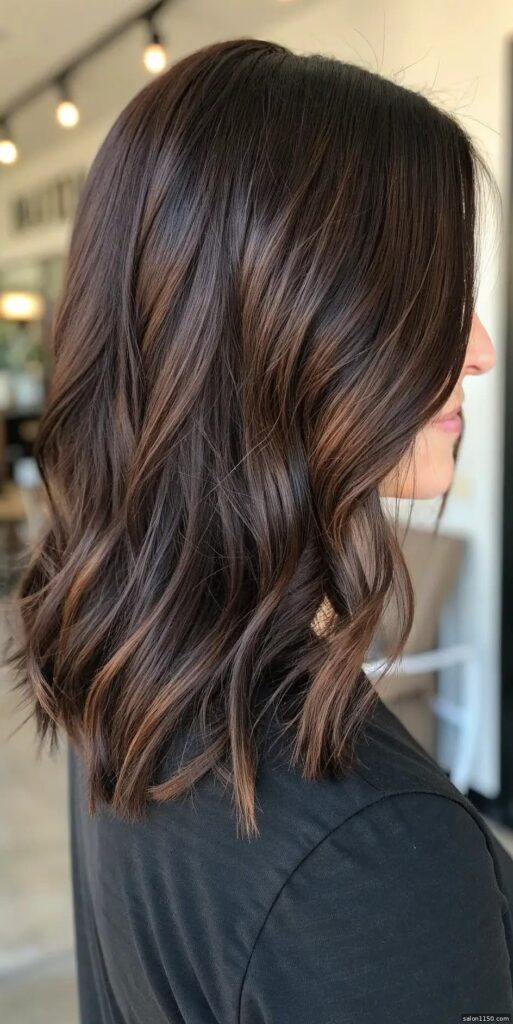
Caramel Bronde
Caramel bronde occupies the sweet spot between warm bronde and full caramel — richer, more saturated, with a toasted, buttery quality. One thing worth mentioning: it photographs differently depending on lighting. Natural daylight shows the dimension beautifully. Artificial light can flatten it. If you’re evaluating caramel blonde hair inspiration online, check whether photos were taken in natural light.
 See alsoHair Colors for Brown and Dark Skin Tones: 16 Ideas to Bring to Your Stylist
Who Bronde Actually Suits
Matching Shade to Skin Tone
Warm undertones (greenish veins, gold jewelry looks better) pair with golden, honey, and caramel bronde shades. The warmth harmonizes.
Cool undertones (blue-purple veins, silver jewelry looks better) pair with ash, beige, and mushroom bronde. Going too warm on cool skin creates a disconnect that’s hard to pinpoint but easy to feel.
Neutral undertones have the most flexibility. Eye color becomes a useful tiebreaker: green and hazel eyes often come alive with warm tones, blue and grey eyes sharpen with cooler ones.
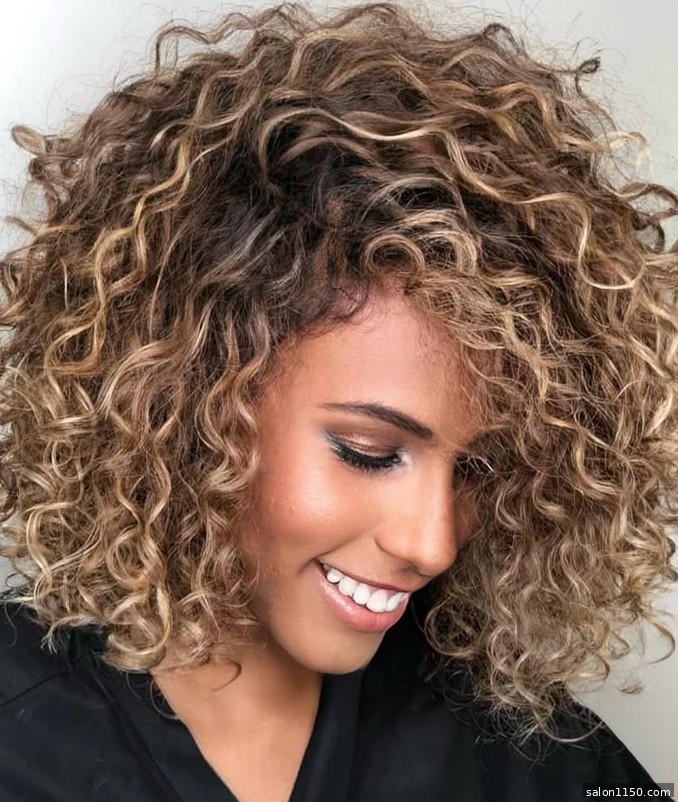
Deep skin tones look striking with mocha bronde and golden or copper threading. Enough contrast between base and highlights is key so the dimension reads clearly.
A colorist evaluating your skin in person will make a more accurate assessment than any internet quiz. The self-test narrows options. The consultation confirms them.
Starting Base Color Matters
Natural brunettes (level 4–6) have the most straightforward path. Expect one to three sessions depending on desired lightness.
Natural blondes take the reverse approach — adding depth through toning or lowlights. Often achievable in a single session.
Previously colored or box-dyed hair is where things get complicated. Permanent box color deposits unpredictably and can resist lifting or pull orange. A consultation is non-negotiable. Color correction may be needed before bronde is possible.
When Bronde Is a Bad Idea
Very dark hair (level 1–2) expecting one session. Bronde on virgin black hair requires multiple sessions of incremental lifting. Rushing it produces fried, orange hair and a repair bill larger than the original color.
Clients who actually want platinum. Bronde is dimensional mid-tone territory, not a stepping stone. If platinum is the goal, plan for platinum from the start.
Anyone unwilling to maintain toner — especially ash bronde. If a gloss every six to eight weeks sounds like too much, ash bronde will disappoint you within a month. Warm bronde is the better fit.
Heavy box-dye history. Layering professional bronde over years of box dye is unpredictable. A consultation reveals what’s realistic — you need to be willing to hear it.
Bronde Techniques — They’re Not the Same Thing
Bronde Balayage
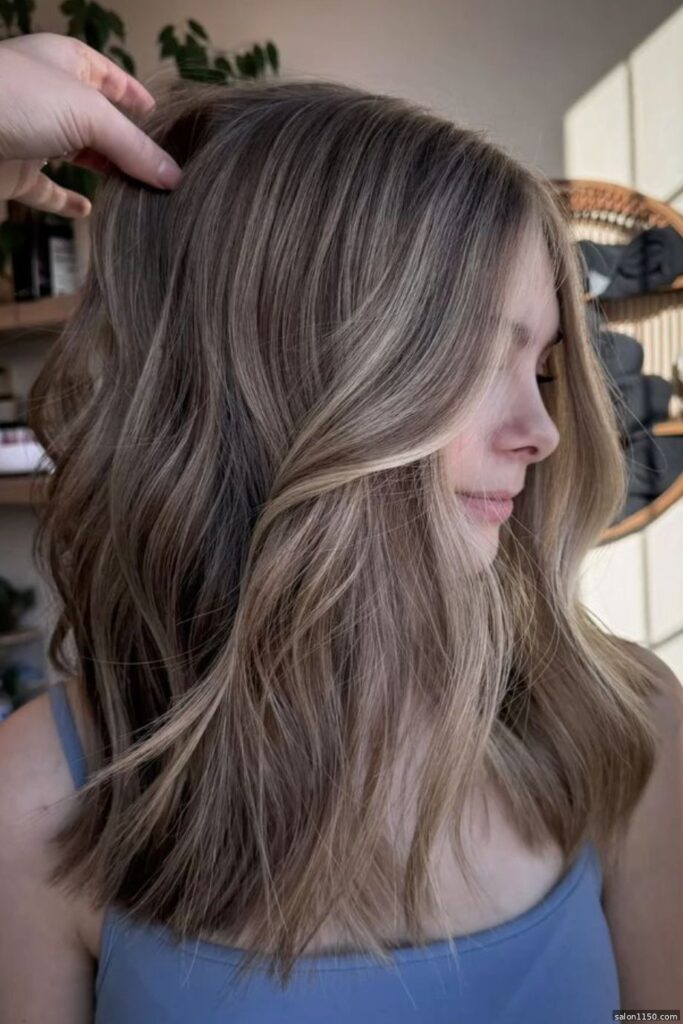
Balayage is hand-painted, producing a soft gradient — darker at the root, lighter through mid-lengths and ends. For bronde, it creates that lived-in quality that makes the trend so appealing. The grow-out is its biggest advantage: no visible regrowth line as natural color comes in. This is where “low maintenance” is actually earned.
Bronde with Foil Highlights
Foils produce brighter, more defined pieces with sharper contrast. The result reads more polished than balayage’s undone quality. The tradeoff: more visible root regrowth means touch-ups every 8–10 weeks.
Full-Color Bronde (Single Process + Gloss)
Works for blondes adding depth or brunettes wanting an all-over tonal shift without dimensional pieces. The gloss applied in the final minutes defines the color you leave with — a golden gloss produces honey bronde, a beige gloss produces ash bronde. Same underlying color, different toner, completely different result.
Why Technique Matters More Than Shade Name
The same “caramel bronde” looks completely different via balayage vs. foils. Placement — where lighter pieces start, how concentrated they are, whether they frame the face or scatter throughout — changes the final look as much as the shade itself. When you bring reference photos, pay attention to placement, not just color.
The Maintenance Truth Nobody Tells You
The Real “Low Maintenance” Breakdown
Balayage bronde = genuinely low maintenance. Soft grow-out, 12–16 weeks between sessions.
Ash bronde = high maintenance. Toner fades fast, gloss refresh every 6–8 weeks, vulnerable to mineral buildup.
Full-color bronde = not low maintenance. Root regrowth visible at 4–6 weeks. Same cadence as traditional single-process color.
“Low maintenance” depends entirely on technique and tone. The word “bronde” alone tells you nothing about the upkeep.
Toner, Gloss, Purple Shampoo — What Actually Works
A salon gloss is the most effective maintenance tool — it deposits fresh tone, corrects drift, and restores shine. A gloss treatment at the salon every 6–8 weeks is what keeps bronde looking right, especially cooler shades. Understanding the difference between a gloss and a glaze helps you ask for the correct service.
Purple shampoo is maintenance, not correction. It neutralizes yellow tones between visits. Overusing it (more than once or twice a week) turns hair dull or violet.
Blue shampoo is better for brunette-leaning bronde that pulls orange rather than yellow. If the brassiness reads more copper than gold, blue shampoo is the correct choice.
 See also30 Copper Balayage Hair Color Ideas That Bring Serious Heat
The Real Timeline
Balayage bronde: refresh every 12–16 weeks with proper root shadow. Without root shadow, 8–10 weeks.
Foil bronde: touch-ups every 8–10 weeks.
Full-color bronde: root touch-ups every 4–6 weeks.
Hard water accelerates brassiness regardless of technique. A clarifying or chelating shampoo once a month can meaningfully extend toner life.
How Much Does Bronde Hair Cost?
Pricing varies by market, salon tier, hair length, and density. But the structure matters:
Balayage bronde is the highest single-session investment ($200–$400+), but requires fewer annual visits. Three to four sessions per year can cost less total than more frequent techniques.
Foil highlights are mid-range ($150–$300+) per visit, but with visits roughly every two months, the annual total adds up faster.
Gloss or toner services for maintenance run $50–$100 per session. Lower per-visit, but at 6–8 week intervals, annual spend is comparable to less frequent balayage.
Ask about total annual cost during your consultation, not just the first appointment price. A lower upfront cost with frequent touch-ups can exceed a higher upfront cost with a 16-week cycle.
What to Say When You Ask for Bronde
Bring the right references. Three to five photos in natural light. Filtered screenshots will mislead you and your colorist.
Specify warm or cool. This single clarification eliminates half the guesswork. “I want warm bronde, closer to honey than gold” is infinitely more useful than “I want bronde.”
Use these phrases: “lived-in blend,” “root shadow,” “tonal balance,” “dimension, not stripes.”
Ask about toner before it goes on. What toner, what undertone, how long it lasts. This defines the color you walk out with.
Ask about maintenance cadence upfront. “How many weeks before this needs a refresh?” prevents surprise later.
Why Your Pinterest Bronde Looks Different in Real Life
Filters compress tonal range — everything looks cooler and more blended on screen. Ring light vs. daylight vs. bathroom light shifts the same bronde dramatically. Freshly toned hair is not week-four hair; social media only shows the “just left the salon” version.
Humidity and climate also play a role. In humid environments, the cuticle opens, exposing underlying warmth faster. If you live somewhere consistently humid, leaning warm rather than cool saves you from fighting your environment.
FAQ
What is bronde hair color?
Bronde is a multi-dimensional hair color blending blonde and brunette tones, typically falling between level 5 and level 8. It’s created through techniques like balayage, highlights, or glossing for a natural, lived-in dimension. The exact look varies depending on whether tones skew warm (golden, honey) or cool (ash, beige, mushroom).
Is bronde better than blonde?
Neither is objectively better. Blonde delivers maximum brightness but requires more lifting, toner maintenance, and salon visits. Bronde offers dimension with less processing and more natural grow-out. If you want brightness without full blonde commitment, bronde is the stronger choice.
How do I ask my stylist for bronde hair?
Bring three to five reference photos in natural light. Specify warm or cool tones, contrast level, and brightness preference. Use phrases like “lived-in blend,” “root shadow,” and “dimensional, not stripy.” Ask about the toner they’ll use and the maintenance timeline.
Does bronde hair require a lot of maintenance?
It depends on technique and tone. Balayage bronde can go 12–16 weeks between sessions. Ash bronde requires toner refresh every 6–8 weeks. Full-color bronde needs root touch-ups every 4–6 weeks. The technique determines the maintenance, not the name.
Can you get bronde hair on dark hair?
Yes, but realistically expect two to three sessions for very dark bases. Jumping from level 1 to bronde range in one sitting risks damage and unpredictable orange tones. A good colorist will lighten incrementally and control warmth with toner along the way.
Thinking about bronde but not sure which shade or technique fits your hair? Book a consultation and walk in with a plan — not just a screenshot. Or explore our hair color services to see how we approach dimensional color at Salon 1150.