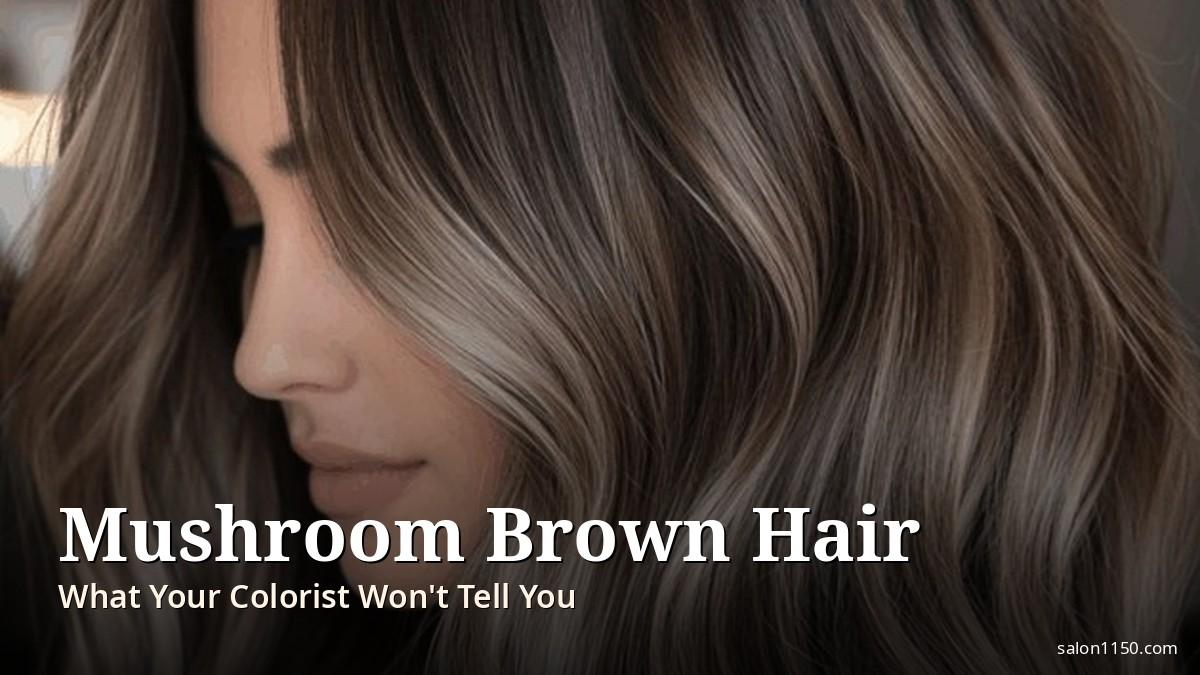
There’s a version of mushroom brown hair that lives on TikTok — one shade, one lighting angle, one impossibly smooth blowout. Then there’s the version that actually exists in salons, where this color is a family of at least six distinct variations, each suited to different undertones, textures, and hair histories. Choosing the wrong one is exactly why half the Reddit complaints about brassy, muddy results exist.
This isn’t another gallery dump. What you won’t find in those articles: actual stylist formulas, transparent cost breakdowns, honest answers about what goes wrong, and the maintenance truth that contradicts the “low maintenance” marketing line everyone else repeats.
See it on you first
Swatches lie — your hair doesn't. Preview this color on your own photo with our free virtual try-on.
What Mushroom Brown Hair Actually Is (And Why the Name Isn’t Random)
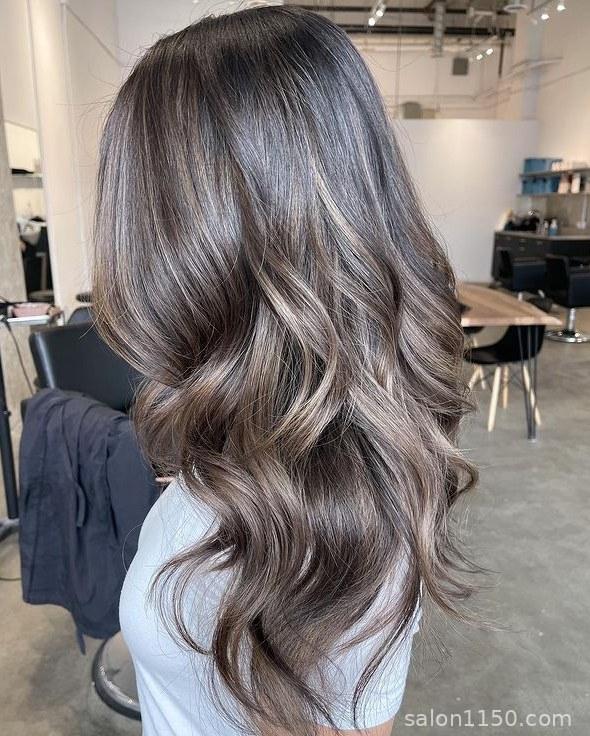
The name comes from exactly where you’d guess — the muted, cool gray-brown tones of portobello, shiitake, and porcini mushrooms. But calling it “mushroom brown” and calling it “ash brown” are not the same thing, and that distinction matters more than most guides bother to explain.
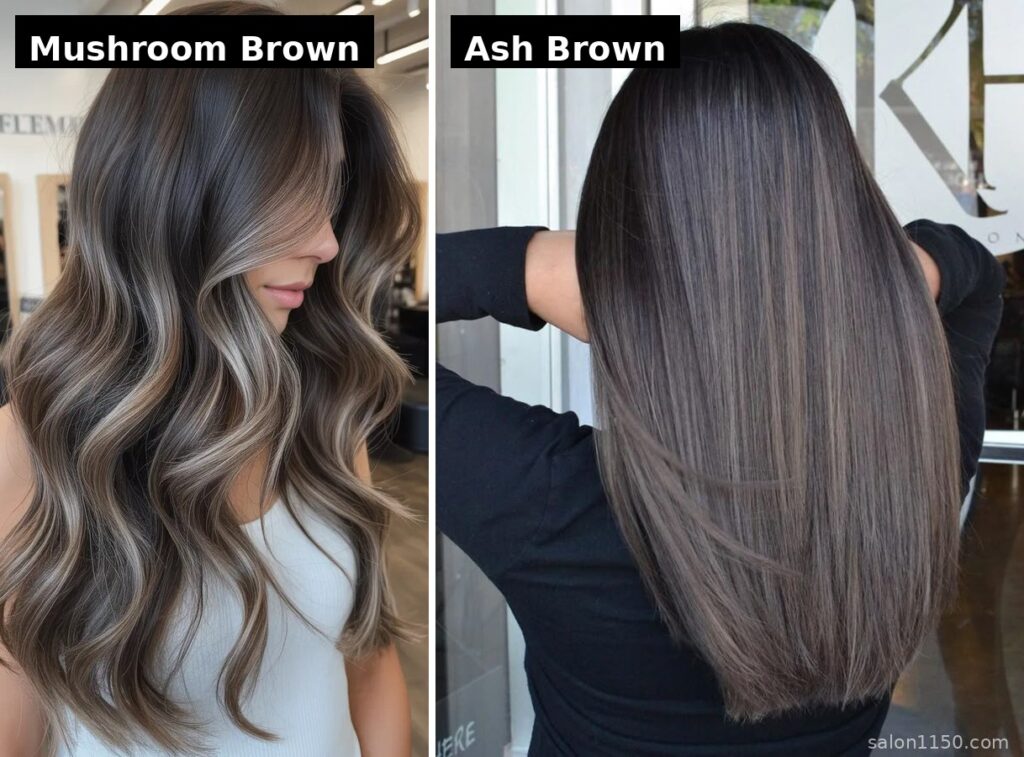
Ash brown is a single-note cool tone — flat, one-dimensional warmth cancellation. Mushroom brown adds gray and beige dimension on top of that cool base through highlights, lowlights, and toner. The result reads as multi-dimensional: muted but not dead, cool but not icy, brown but not warm. For a warmer brunette option, see our chocolate brown hair color guide.
This color gained traction in the late 2010s as a counterswing to years of warm caramels and golden balayage. Women who’d been fighting brassiness suddenly realized that leaning into cool tones was the easier path. The trend hasn’t faded because the logic still holds.
Six Mushroom Brown Shade Variations (And Who Each One Is Actually For)
One of the biggest mistakes people make with mushroom brown is treating it as a single color. It’s not. Here are the six variations that actually matter, and who should be asking for each one.
Portobello Mushroom Brown
The classic. True cool, gray-tinged medium brown with ashy dimension throughout — the shade most people picture when they hear “mushroom brown.” It’s also the most unforgiving if your undertone doesn’t match. Best for cool undertones and Soft Summer palettes. If silver jewelry has always suited you better than gold, this is your lane.
Dark Mushroom Brown
Deeper, espresso-adjacent, with smoky ash woven through mid-lengths and ends. Works beautifully on medium-to-deep skin tones — provides contrast without washing you out. Also the most forgiving starting point for naturally dark hair: less bleach, fewer sessions, more natural grow-out.
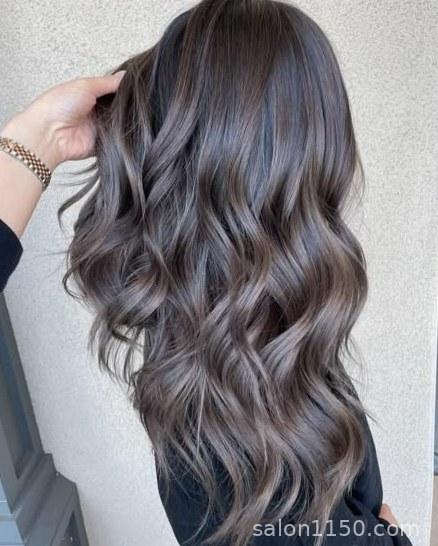
Frosted / Grayish Mushroom Brown
The boldest cool-tone commitment in the family. More gray than brown, sometimes bordering on silver-ash brunette territory. Striking on fair-cool skin, but requires comfort with an almost-silver lean that some people find aging rather than edgy.
Light Mushroom Brown
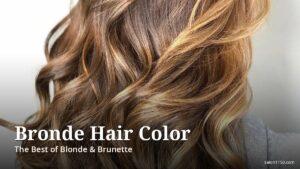
Bronde territory — beige and taupe highlights dominate, with just enough brown depth at the root to stay grounded. Ideal for natural light brunettes or dark blondes wanting dimension without full blonde commitment. Maintenance is slightly higher because lighter pieces fade and shift warm faster. For the blonde-brunette middle ground, see our bronde hair color guide.
Porcini Mushroom Brown
The variation nobody talks about — and the one that saves warm and olive skin tones from the “mushroom brown doesn’t suit me” frustration. Neutral taupe-beige with just enough warmth to avoid clashing with golden or olive undertones. It still reads as mushroom brown in person, without the gray-cool extremes that make warm skin look sallow. Soft Autumns, this is your answer.
Smokey Mushroom Ombré
Dark roots melting into ashy mid-lengths and ends. The lowest-commitment entry point — roots stay close to natural, and grow-out is significantly easier. You can stretch touchups to 10–12 weeks without looking neglected.
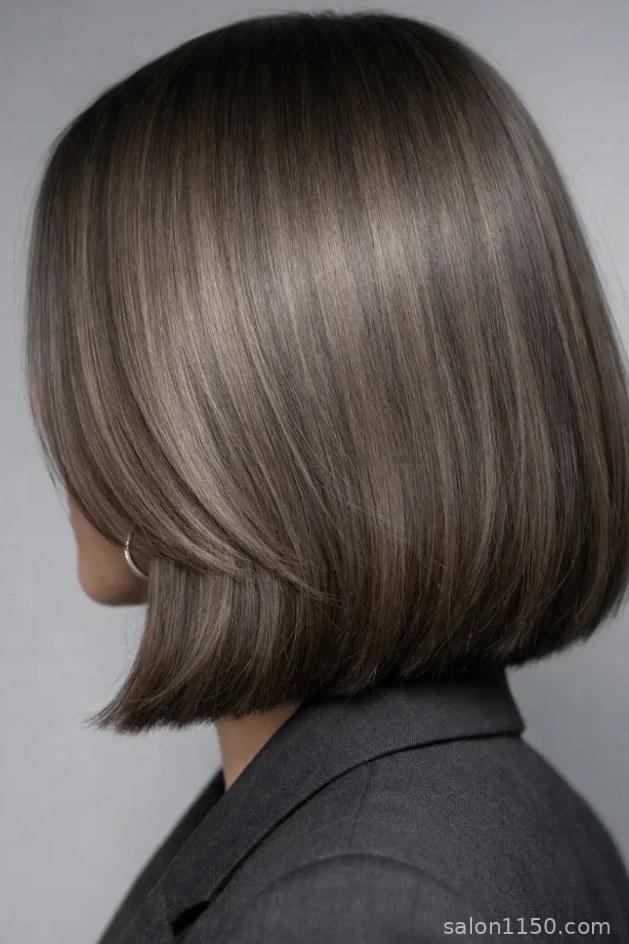
Skin Tone and Undertone — The Part Most Guides Get Wrong
Most articles tell you mushroom brown “suits everyone” and leave it there. That’s incomplete in a way that leads to bad results. It suits everyone if you pick the right variation.
Cool undertones — pink, blue, or red base tones in the skin — pair naturally with portobello or frosted variations. The cool tones harmonize, and the effect is cohesive.
Warm undertones — golden, peachy, yellow-based skin — need porcini or neutral-taupe. Full cool gray on warm skin creates a visual disconnect that reads as ashy-muddy, not sophisticated.
 See alsoCaramel Blonde Hair: Ideas, Shades, and What to Actually Expect
Olive skin requires the most careful calibration. Pure gray mushroom will make olive skin look green-tinged and tired. Neutral porcini or smokey ombré, with warmth near the face softening the cool through the lengths, is usually the sweet spot.
One thing no one mentions: mushroom brown photographs cooler than it looks in person. Salon ring lights and Instagram filters amplify cool tones significantly. In natural daylight, the color reads warmer and more brown. What you see on your phone and what you see in your bathroom mirror at 7 a.m. are two different experiences.
How Mushroom Brown Hair Is Actually Done in a Salon
This isn’t a single-process color. The dimensional quality requires layering — typically a combination of base color, foiled or painted highlights, lowlights, and a toner to unify the overall tone.
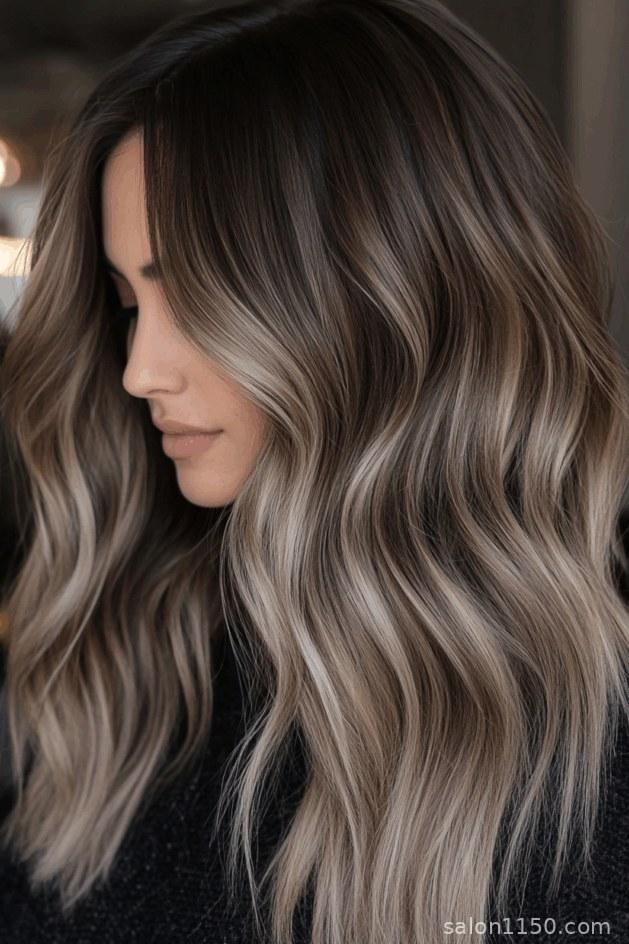
The bleach question: If your natural hair is within two levels of target and never box-dyed, you may not need bleach — just toner and strategic placement. If your hair is dark (level 1–4), previously colored warm, or has box-dye buildup, bleach is almost certainly part of the process. Anyone who says otherwise is setting you up for the muddy result you’ve seen complaints about.
Time commitment: Expect 3–5 hours for a first appointment. Correcting from a significantly different color — warm copper, black box dye, heavy highlights — can take 6–8 hours. One TikTok colorist documented an 8-hour transformation that got 18,000+ views, and the comments were full of people shocked at the time investment. That shock is the problem.
Formula specifics (share with your stylist): Redken Shades EQ Ash Brown or Matte shades for toning — eliminates warmth while adding shine. Igora Vibrance 7-0, 7-42, and 7-1 for the mushroom base. Kenra colorists often use 7n/7b/8gb for lowlights with a 6n/6nb root smudge, toned with Shades EQ 7nb/7g and a splash of 7p. Alfaparf Milano 4w with 10-volume developer has been circulating on TikTok as a demi-permanent mushroom option.
Real Salon Cost — What You’ll Actually Pay
Most competitors either skip pricing entirely or quote $150–$300 as if that covers everything. Here’s how it actually breaks down.
Single-process mushroom brown for natural brunettes close to target: $150–$250. Toner-based work with minimal lifting.
Balayage or dimensional mushroom brown with highlights, lowlights, and toning: $250–$450. This is where most people land.
Color correction to mushroom brown from black, box dye, or warm copper: $350–$600+. Depends on session count, bond-repair treatments (Olaplex/K18 adds $40–$80 per session), and overall hair condition.
Why it varies: Metro area, stylist experience, product quality, and your starting point all shift the math. Someone with virgin dark-blonde hair is a fundamentally different project than someone with three years of box-dye buildup.
Ongoing costs nobody quotes upfront: Touchups every 6–8 weeks ($100–$200), gloss every 4–6 weeks ($50–$100). These add up across a year.
What Goes Wrong (And What Reddit Already Knows)
The most valuable intel about mushroom brown lives in Reddit threads, not beauty magazines. Here are the four most common failures and what’s behind them.
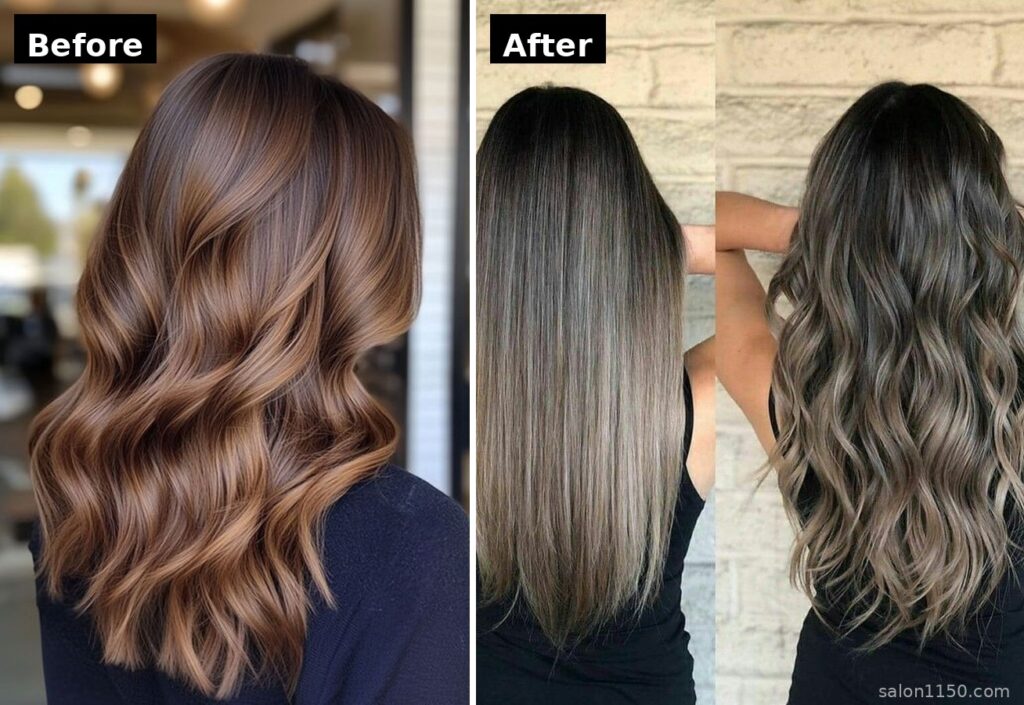
“My Hair Turned Orange and Brassy”
This happens when underlying warm pigment wasn’t neutralized during toning. Every dark-haired person has red and orange pigment beneath the surface — bleach exposes it, and toner cancels it. When the toner is too weak or processed too briefly, orange peeks through. The fix isn’t more bleach — it’s better toner selection and processing time.
“My $300 Color Washed Out in Two Weeks”
Porous, damaged hair absorbs color rapidly and releases it just as fast. If your hair has been bleached multiple times or heat-damaged, the cuticle layer is compromised — color molecules slip through instead of holding. This is a hair-health issue, not a stylist failure. The fix starts before the color appointment: protein treatments, bond builders, and getting hair into condition to actually hold color.
“I Wanted Mushroom Brown on Black Hair and Got Muddy Brown”
True cool mushroom brown on level 1–3 natural black requires multiple sessions spaced weeks apart. The hair needs to be lifted gradually, and the intermediate stages — orange, gold, warm brown — are part of the journey. If your colorist promises mushroom brown on naturally black hair in one sitting, that’s a red flag.
“I Used Box Dye and It Looks Nothing Like the Photos”
Dimensional color requires layered technique — highlights placed in different zones, lowlights for depth, toner to unify. A single-deposit box dye produces a shade of brown, but it can’t create dimension. The result is flat, one-note brown that reads muddy rather than mushroom.
Maintenance — The “Low Maintenance” Lie and What It Actually Takes
Every competitor article calls mushroom brown “low maintenance.” That’s true in one narrow scenario: your natural hair is already cool-toned medium brown, and your stylist applied it as a rooted balayage. Grow-out is soft, touchups stretch to 10–12 weeks.
For everyone else, here’s the real picture.
Touchup frequency: Every 6–8 weeks for non-natural brunettes. Root regrowth will show warm undertones as your natural color comes in, and the toner throughout the lengths fades with each wash. Balayage techniques buy you more time; all-over single-process color does not.
 See also28 Soft Caramel Balayage Styles on Brown Hair
Blue shampoo, not purple: Purple shampoo cancels yellow tones — it’s for blondes. Blue shampoo cancels orange tones, which is what brunettes deal with. Redken Color Extend Brownlights is widely recommended for mushroom brown. Use 1–2 times per week, not every wash — overuse deposits too much blue pigment and shifts your color ashy-gray beyond what you intended.
Gloss appointments: Every 4–6 weeks between color sessions. A demi-permanent gloss (Redken Shades EQ Ash Brown) refreshes cool tone, adds shine, and extends color life without a full appointment. This is the single most effective maintenance step — and the one most people skip.
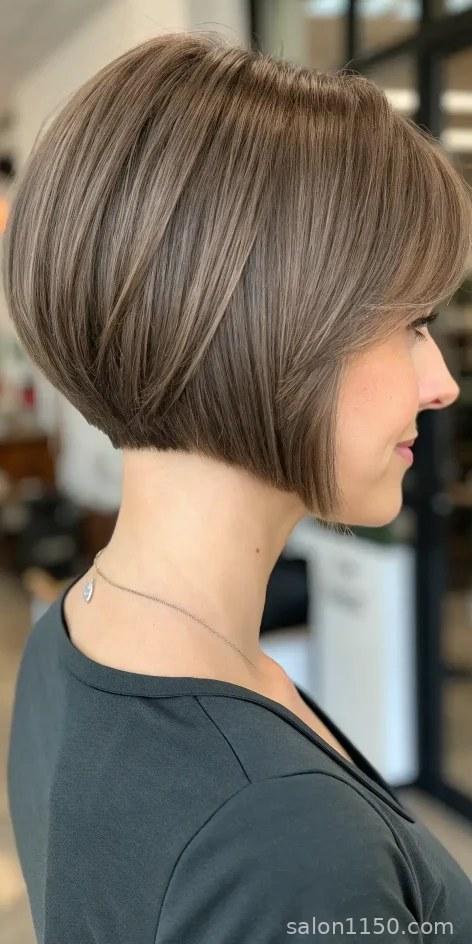
Product rules: Sulfate-free shampoo and conditioner are non-negotiable. Color-depositing conditioners (Overtone makes a brown-toning version) extend color between visits. Heat protection isn’t optional — heat opens the cuticle and accelerates fade.
Grow-out reality: Roots shift warm as your natural undertone grows in. Warm-toned naturals will notice the contrast within 4–5 weeks. Balayage and rooted techniques soften this but don’t eliminate it.
Mushroom Brown on Different Hair Textures
Nearly every mushroom brown article shows one texture: straight hair on a blowout. That omission matters because texture changes how color reads.
Straight hair shows the most tonal contrast. Every highlight and lowlight is visible. The tradeoff: without styling, straight mushroom brown can read flat rather than dimensional.
Wavy hair is the sweet spot. Natural waves catch light at different angles, making dimensional highlights shift and move throughout the day. Minimal styling needed for the color to show its full range.
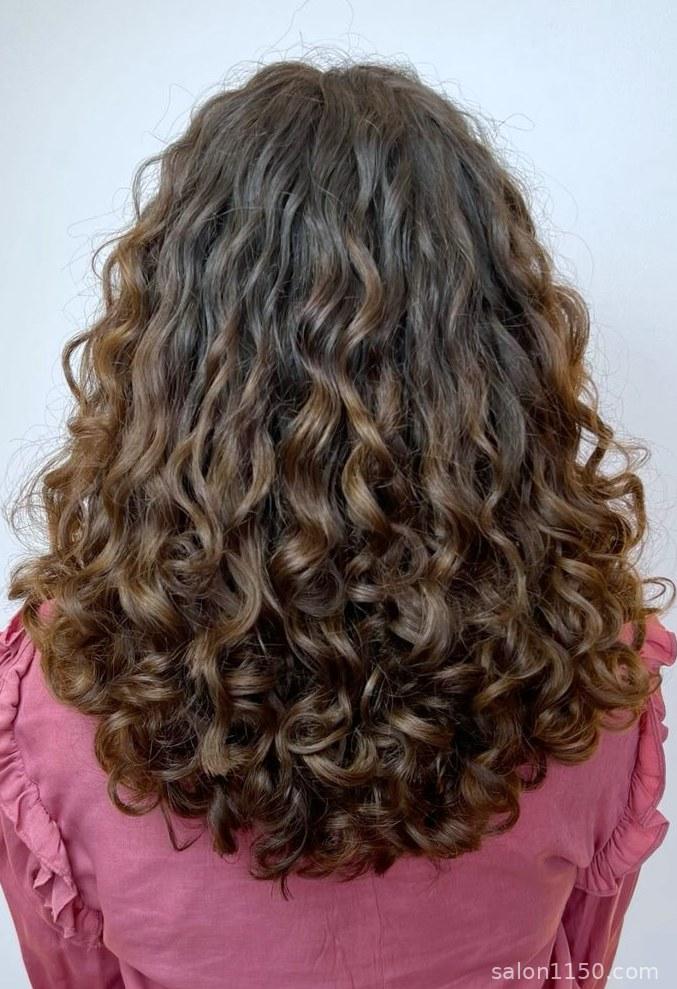
Curly hair reads darker because less light penetrates tight curl patterns. What looks medium mushroom brown on straight hair reads a full level darker on curls. Colorists who understand this place highlights slightly lighter than target and paint freehand — following the curl’s natural fall — so color lands where light naturally hits.
How to Ask Your Stylist for Mushroom Brown (Without Getting the Wrong Shade)
The conversation before the appointment matters as much as what happens in the chair.
Bring 3–5 reference photos in different lighting — natural outdoor, warm indoor, and salon lighting. This gives your colorist a realistic picture across environments, not just one perfect ring-light angle.
Name the variation. “Mushroom brown” is too broad — specify portobello, porcini, frosted, dark, light, or smokey ombré. Reference photos bridge any terminology gaps.
Be honest about hair history. Previous color, box dye, relaxers, bleach, heat damage — all of it affects what’s achievable in one session. Leaving out details doesn’t protect you; it guarantees a bad result.
Ask before they start: How many sessions? Will I need bleach? What’s the total cost including toner and gloss? What’s my maintenance schedule? A good colorist walks through all of this. If they can’t, that’s information too.
FAQ
What is mushroom brown hair color? Mushroom brown is an ashy, cool-toned brunette shade with gray and beige undertones — named after the earthy, muted tones of portobello and shiitake mushrooms. It gets its dimensional quality from layered highlights and lowlights rather than a single-process dye.
What skin tone goes best with mushroom brown hair? Cool undertones pair naturally with the classic portobello or frosted variations. Warm and olive skin tones should lean toward the neutral-taupe porcini variation, which adds enough beige warmth to prevent the color from looking ashy or sallow against the skin.
Do you have to bleach your hair to get mushroom brown? Not always. If your natural hair is a medium brown within two levels of the target shade and hasn’t been previously colored, toner and strategic placement may be enough. Darker hair, box-dyed hair, or warm-toned color typically requires some level of lifting with bleach to achieve a true cool tone.
Is mushroom brown the same as ash brown? No. Ash brown is a single-note cool tone — it cancels warmth, but it reads flat. Mushroom brown adds gray and beige dimension on top of the cool base through layered highlights and lowlights, creating a multi-dimensional effect that ash brown alone doesn’t achieve.
How do I prevent my mushroom brown from turning brassy? Use a blue shampoo (not purple — that’s for blondes) 1–2 times per week. Redken Color Extend Brownlights is widely recommended. Schedule a demi-permanent gloss every 4–6 weeks to refresh cool tones between full color appointments, and use sulfate-free products exclusively.
Considering mushroom brown? Our colorists at Salon 1150 can help you find the right variation for your texture, undertone, and hair history. Book a consultation.
Related reading: Ash Brown Balayage Styles | Things to Know Before You Color Your Hair | Best Haircuts for Round Faces