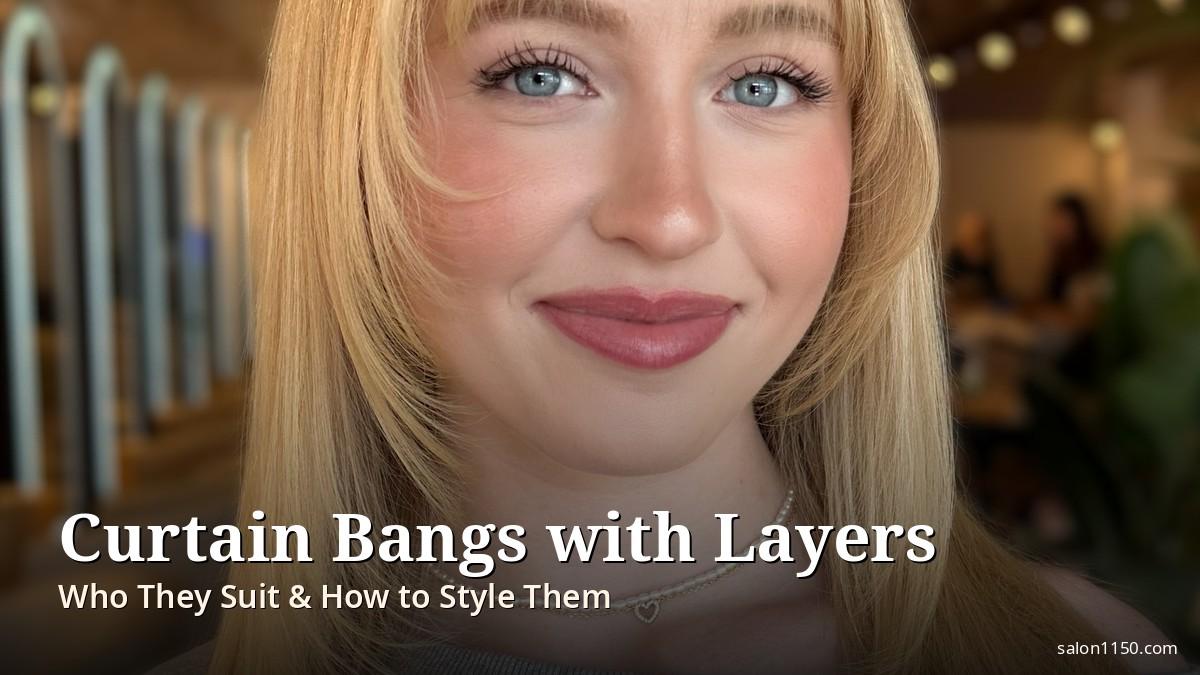
The difference between curtain bangs that look intentional and curtain bangs that look like a mistake almost always comes down to one thing — how the fringe connects to the rest of the cut. When the bangs are blended into the layers, they frame the face and move with the hair. When they’re not, you get a flat, disconnected fringe sitting on top of everything else.
This gallery covers the best curtain bangs with layers across every major length and texture, so you can find the version that actually matches your hair — not just the version that looked good on someone else’s feed.
What Makes Curtain Bangs with Layers Work
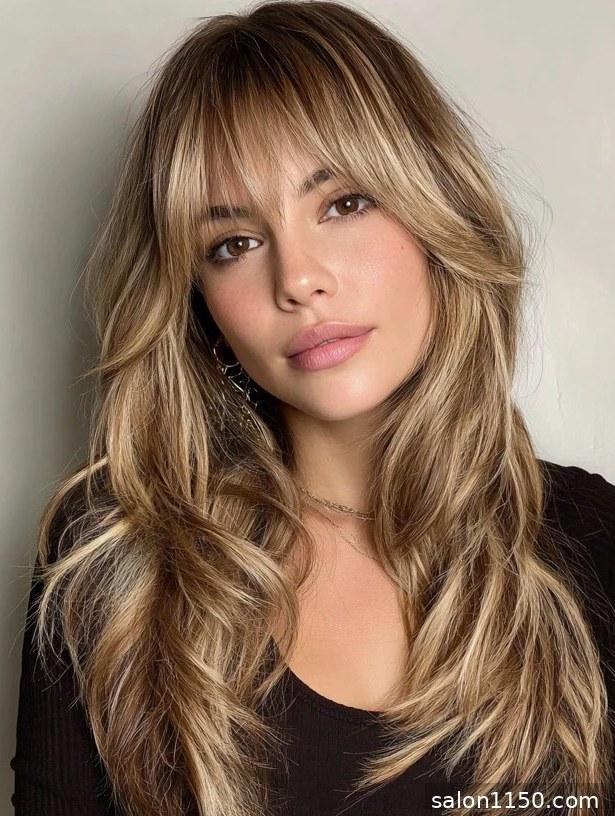
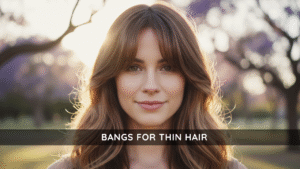
Curtain bangs are a center-parted fringe that sweeps outward from the face, usually shortest around the cheekbone and gradually lengthening toward the sides. When they’re paired with layers, the front pieces don’t just hang there — they fold into the movement of the cut.
That connection is what separates a polished result from the “I asked for curtain bangs and now I have a chunk of hair on my forehead” experience. If the shortest point of the fringe doesn’t blend smoothly into the face-framing layers, the bangs look bolted on. Good layering creates a cascade from the fringe through the front, into the mid-lengths, and down to the ends. Everything flows in the same direction.
One thing worth knowing early: curtain bangs look different on styled hair versus air-dried hair. Most of the images you save on Pinterest are blown out with a round brush or set with rollers. That’s the styled version. The natural fall — especially on straight or fine hair — is flatter and less dramatic. Not bad, just different from what you might expect. Curtain bangs also anchor edgier cuts like the wolf cut.
Long Hair with Curtain Bangs and Layers
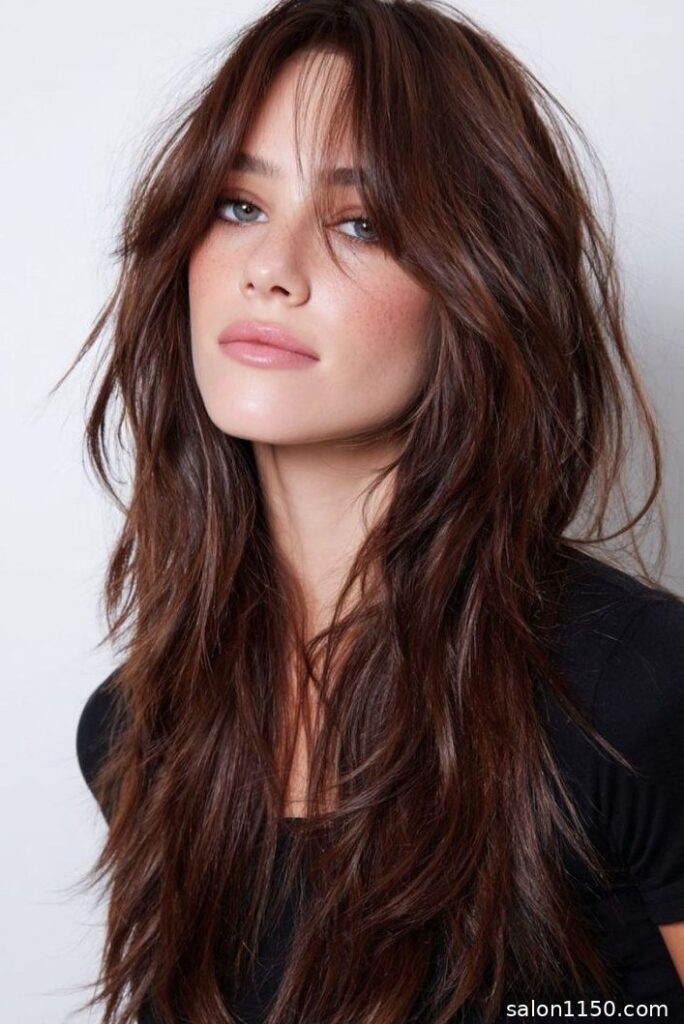
Long hair gives you the most room to play with curtain bangs because there’s enough length for the layers to graduate slowly. The fringe blends into face-framing pieces that can reach the collarbone or longer, and the transition feels seamless.
The classic version is long layers starting just below the chin, with curtain bangs hitting somewhere between the lash line and the top of the cheekbone. This is the safest, most universally flattering option — and the reason it’s everywhere. It works on most face shapes and hair densities, and the grow-out is forgiving because the bangs just melt into the layers as they lengthen.
For anyone who wants more shape, long face-framing layers with curtain bangs pull more weight around the jawline and create a stronger contour. The layers are slightly shorter at the front — sometimes starting as high as the chin — and longer through the back. This version adds more visible structure without losing length overall.
If you’re drawn to the 70s-revival look, a wolf cut with curtain bangs takes the layering much further — heavy, choppy layers through the crown and mid-lengths, with curtain bangs that feel more shaggy than polished. It’s a stronger statement and demands more styling confidence. The volume sits higher, and the ends are thinner, so it’s not ideal for fine hair unless you’re comfortable with that wispy, lived-in texture. But on thick or wavy hair, this combination has real impact.
Medium-Length Curtain Bangs with Layers
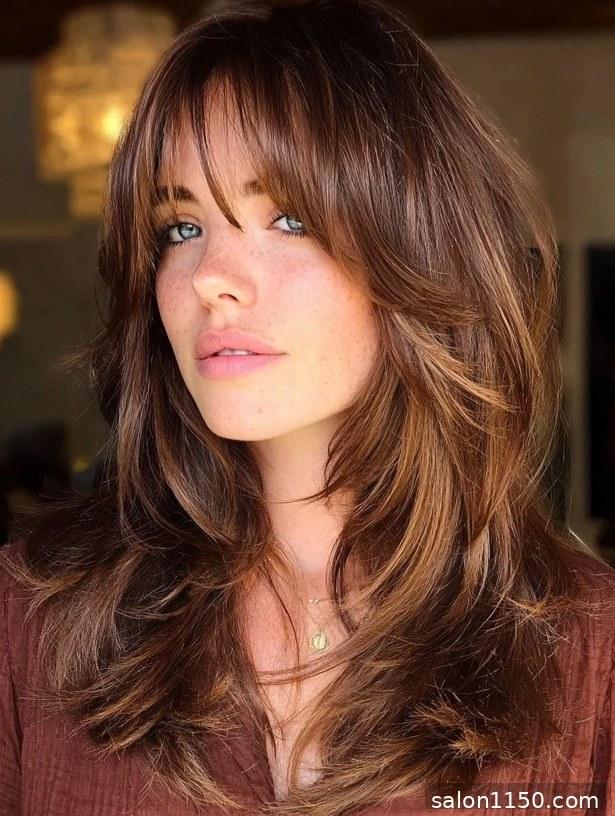
Medium-length hair — roughly collarbone to just above the shoulders — is where curtain bangs with layers tend to be the most practical. The layers are shorter, so they hold shape better without as much effort. And the bangs sit in proportion with the cut rather than looking like a separate element.
A collarbone-length cut with soft curtain bangs is probably the most low-effort version of this trend. The layers don’t need to be dramatic — just enough to keep the ends from looking heavy and to give the bangs something to blend into. If you’re someone who blow-dries for five minutes and calls it done, this is the length to consider.
 See alsoBest Bangs for Thin Hair by Face Shape
A lob with curtain bangs hits just above the shoulders and works well with a bit more layering through the front. The bangs can be slightly longer here — grazing the cheekbone — since the overall cut is shorter and you don’t want the fringe to overwhelm the length. This is a popular option for anyone transitioning from longer hair who doesn’t want to lose the fringe.
For a more textured medium cut, a shag-inspired version adds shorter, choppier layers around the crown and lets the curtain bangs blend into that overall texture. It’s bolder than a standard medium cut and reads more trend-forward — closer to the wolf cut territory but without going as extreme. The trade-off is maintenance: shaggier cuts need reshaping more often, and the bangs can start to look messy faster between trims.
Short Hair and Bobs with Curtain Bangs and Layers
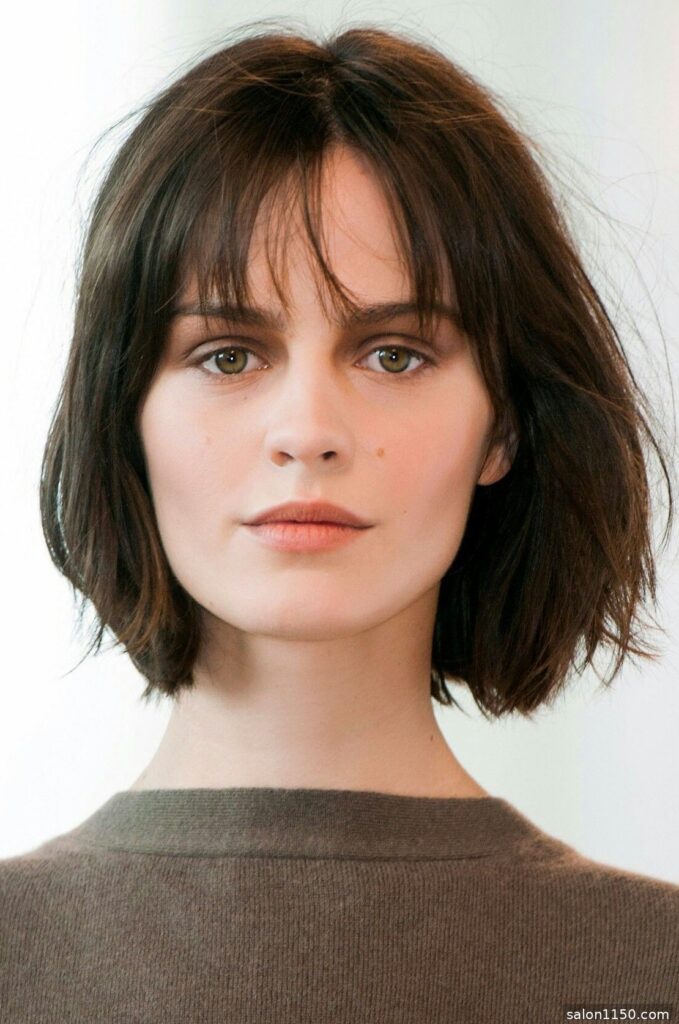
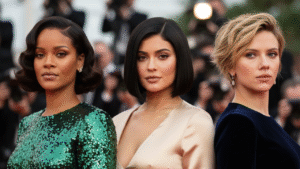
Short hair limits how long your curtain bangs can be — and that’s not a bad thing. It just changes the proportions. On a bob, the bangs usually hit around the cheekbone or slightly above, and the layers are subtle rather than dramatic. The key is keeping the fringe short enough that it doesn’t visually collapse into the rest of the cut.
A layered bob with curtain bangs works best when the layers add internal movement without removing too much weight from the ends. On fine hair, heavy layering on a short cut can leave the ends looking thin and scraggly, so the approach should be conservative — ask for texture, not heavy layers. On thicker hair, the layers help the bob move and prevent that solid, helmet-like shape.
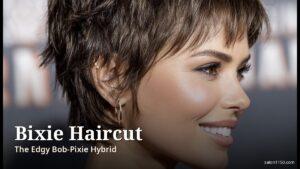
A shorter textured cut — think ear-to-jaw length — can still carry curtain bangs, but the fringe becomes more of a face-framing piece than a traditional curtain bang. The shorter the hair, the less separation between the bangs and the rest of the cut, which means precision matters more. This is one where bringing a photo to your stylist is especially important, because “short with curtain bangs” means different things to different people.
One honest note: if your hair is very fine and you’re going short, curtain bangs might not be the best fringe option. The shorter the cut, the more the bangs need density to hold their shape, and fine hair at short lengths can look wispy in the wrong way. A bangs style designed for thin hair might serve you better.
Curtain Bangs with Layers by Texture
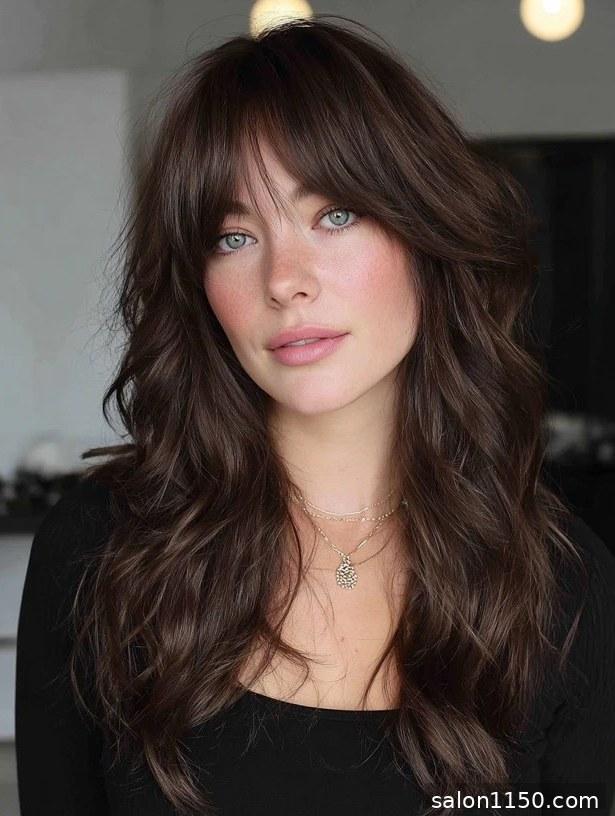
Length is only half the picture. The same curtain bangs look completely different depending on whether your hair is straight, wavy, or curly — and the amount of layering should change accordingly.
Wavy Hair
Wavy hair is arguably the best texture for curtain bangs with layers because the natural bend helps the bangs sweep outward without much effort. A round brush or a few velcro rollers can set the shape, but many people with naturally wavy hair find the bangs sit well even after air-drying. The layers should follow the wave pattern — not fight it — so the fringe moves with the rest of the hair.
The one catch: wavy hair can be unpredictable in humidity. If you live somewhere hot and damp, your curtain bangs might separate or flip upward on bad days. A light texture spray can help, but this is a realistic expectation to set before you commit.
Curly Hair
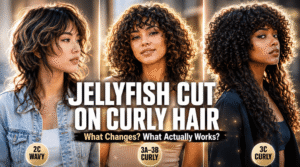
Curly hair can absolutely wear curtain bangs with layers, but the approach is different. Curly bangs shrink — sometimes significantly — so the cut needs to account for how the fringe will sit once it dries and the curl pattern sets. What looks like cheekbone-length bangs when wet might spring up to eyebrow level. A stylist who cuts curly hair dry (or at least does a dry check) will get much closer to the right length on the first try.
Layering on curly hair should be lighter and longer than on straight hair. Cutting too many short layers into curly hair creates bulk and frizz in the wrong places. The goal is to let the curls cascade from the fringe into the rest of the cut without disrupting the curl clump pattern.
If you have curly or coily hair and you’re considering this cut, look for a stylist who specializes in textured hair and has done curtain bangs on curls before. This is not a “any stylist can do it” cut — the margin for error with shrinkage and curl pattern is too tight. For more on choosing the best bangs approach for your hair density and face shape, that guide breaks down what works for finer textures specifically.
Soft and Wispy Curtain Bangs
Wispy curtain bangs are thinner, lighter, and more subtle than a full curtain fringe. They’re cut with less hair taken from the front section, so they feel like a suggestion of bangs rather than a full commitment. On fine hair, wispy bangs can look delicate and pretty — but they can also look sparse if the hair is too thin. On thick hair, wispy bangs are a great way to soften the face without the heaviness of a full fringe.
The maintenance difference matters here. Wispy bangs grow out faster visually because there’s less hair covering any awkward length stages. You’ll likely want trims every three to four weeks to keep them looking intentional rather than like you’re growing them out accidentally. If your hair is on the finer side, see our guide to bangs for thin hair for cuts that keep volume.
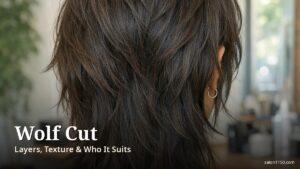 See alsoWolf Cut for Women: Styles, Face Shapes, Pros & How to Ask Your Stylist
What to Know Before You Book
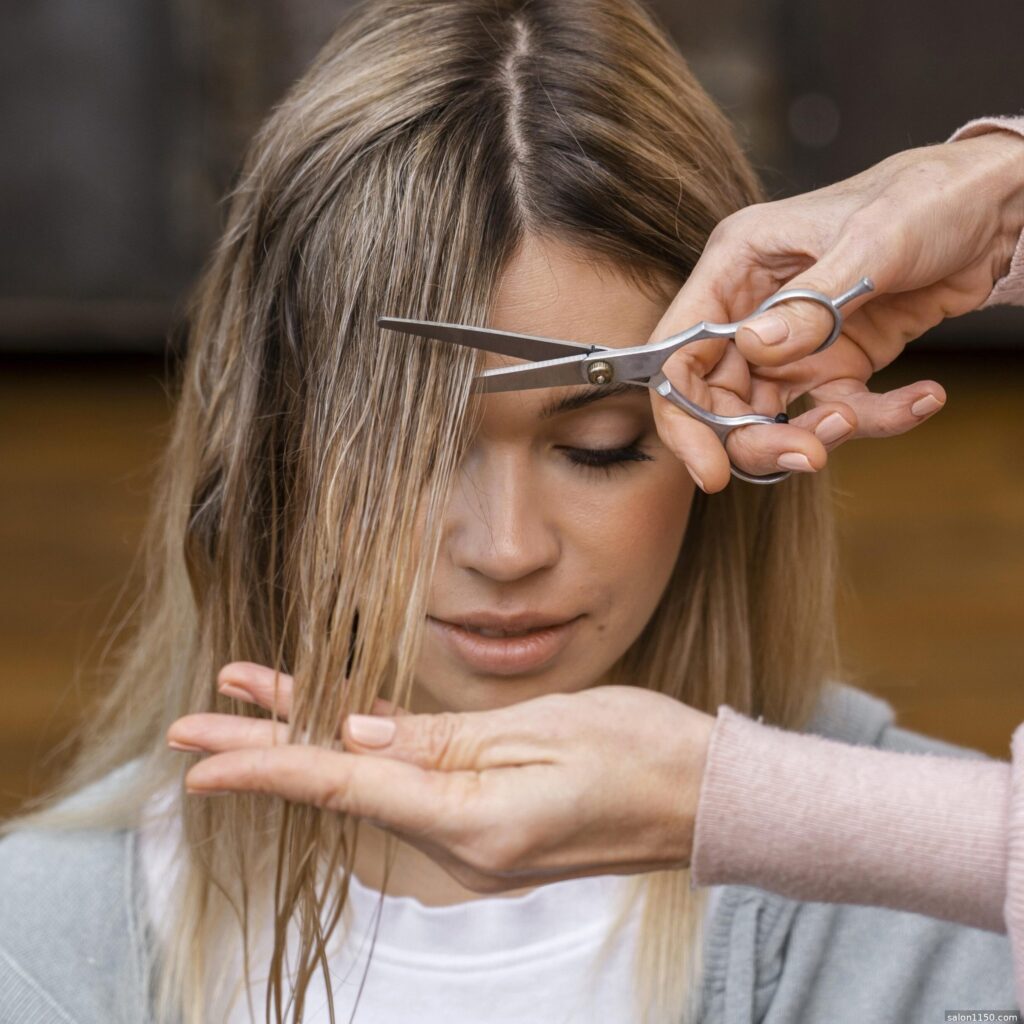
A few things worth being honest about before you sit in the chair.
Styling is part of the deal. Curtain bangs with layers look their best when styled — even if “styled” just means a two-minute round-brush blowout on the fringe. On most hair types, the bangs won’t sweep perfectly on their own. Straight hair tends to fall flat, and curly hair needs guidance to set the right shape. If you’re truly a wash-and-go person who never touches a brush or dryer, curtain bangs may frustrate you.
Trims are more frequent than you’d think. The fringe grows into your eyes before the rest of the cut looks like it needs attention. Most people need a bang trim every four to six weeks — sometimes sooner with wispy versions. Many salons offer quick fringe trims between full appointments, which makes this easier to manage.
Humidity and sweat are real. If you work out daily or live in a humid climate, curtain bangs can separate, flatten, or curl up unpredictably. A dry shampoo for oil and a light texture spray for hold can buy you time, but this is a real consideration.
How to Ask Your Stylist
- Bring 2–3 photos showing the exact fringe length and layer blending you want
- Say whether you want the bangs full or wispy
- Mention how often you style your hair (daily, occasionally, almost never)
- Ask for bangs that blend into the front layers — not a blunt, disconnected fringe
- If your hair is curly, request a dry cut or at least a dry check on the fringe length
Matching your reference photos to your actual hair texture and density is the single biggest factor in getting a result you’re happy with. A photo of thick, wavy hair won’t translate the same way onto fine, straight hair — your stylist can adjust, but only if they know what they’re adjusting for.
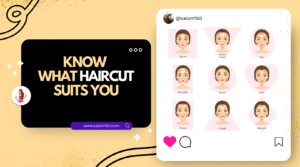
If you’re not sure whether this cut suits your face shape, start with a longer curtain bang — something that hits below the cheekbone — and work shorter from there. It’s much easier to go shorter next time than to wait for bangs to grow out. The right fringe depends on your bone structure — see the best bangs for your face shape before you book. Not sure which cut flatters you? See our guide to what haircut suits you by face shape.
FAQ — Curtain Bangs with Layers
Are curtain bangs with layers high-maintenance?
More than most people expect. The bangs need regular styling — usually a round brush, velcro rollers, or a quick blast from a dryer — and trims every four to six weeks. The layers themselves are lower-maintenance, but the fringe is the part that requires daily attention to look right.
Do curtain bangs with layers work on short hair?
Yes, but the proportions change. On a bob or shorter cut, the bangs should be shorter and the layers more subtle. Heavy layering on short, fine hair can leave the ends looking thin. Bring a reference photo that matches your actual hair length and density.
Can you get curtain bangs with layers on curly or wavy hair?
Absolutely. Wavy hair is often the easiest texture for curtain bangs because the natural bend helps them sweep outward. Curly hair works too, but the cut needs to account for shrinkage — bangs will spring up once they dry. Ask for a stylist experienced with textured hair and request a dry cut or dry check.
How do I ask my stylist for curtain bangs with layers that don’t look chunky?
The key phrase is “blend the bangs into the face-framing layers.” Chunky bangs usually happen when the fringe is cut separately from the rest of the layers, creating a visible disconnect. Photos help, but also tell your stylist you want a graduated transition from the shortest point of the bangs into the longest layers.
What face shape suits curtain bangs with layers?
Most face shapes work with some version of curtain bangs — the length of the fringe and the placement of the layers are what make the difference. Round faces often benefit from longer curtain bangs that hit below the cheekbone to create some vertical length. Oval and heart-shaped faces have the most flexibility. If you’re unsure, start longer and adjust at your next trim.
Curtain bangs with layers keep coming back because the combination actually works — when the cut is done right and the expectations are realistic. You don’t need to commit to a dramatic change. A longer, softer version is a low-risk way to try the look, and a good stylist can adjust the fringe length, density, and layering to match what your hair can realistically do.
Bring your references. Be specific about your styling habits. And if it doesn’t work out, know that curtain bangs grow out more gracefully than almost any other fringe style — the layers are already there to catch them.