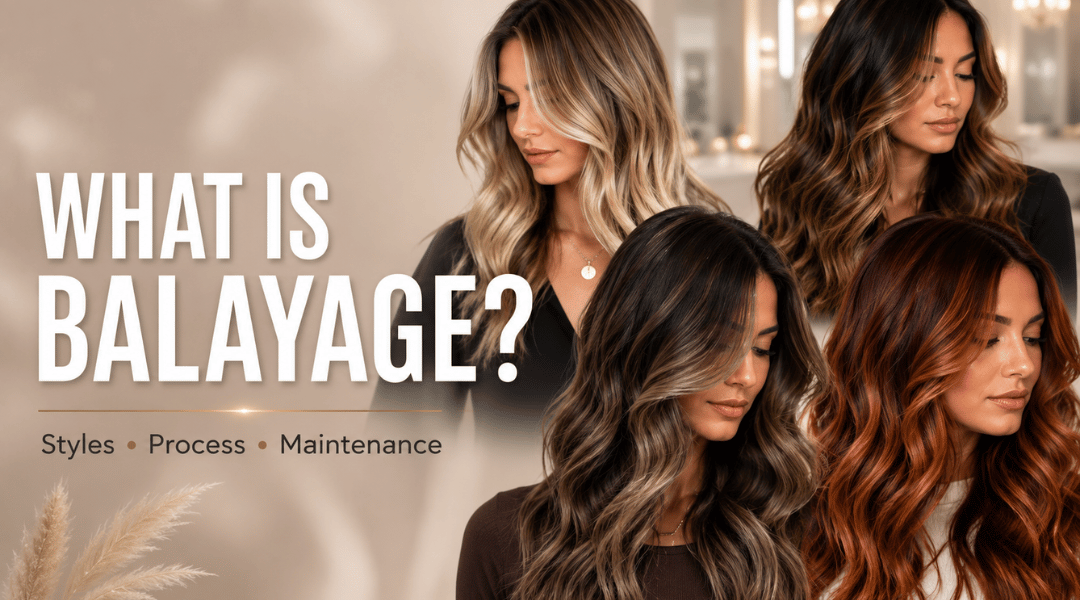
Balayage is one of the most requested hair coloring techniques in salons today, and for good reason. It creates soft, natural-looking highlights that grow out beautifully, require fewer touch-ups than traditional highlights, and can be customized for almost any hair color or texture.
Unlike foil highlights that create a more uniform effect, balayage is hand-painted onto the hair to mimic the way sunlight naturally lightens certain sections. The result is dimensional color, seamless blending, and a lived-in look that can feel both polished and effortless.
Preview it on yourself
Curious how balayage would look on you? Try balayage shades on your own photo with our free virtual tool.
Whether you’ve seen balayage all over TikTok, saved inspiration photos from Pinterest, or heard your stylist mention it during a consultation, understanding how the technique works can help you decide if it’s the right choice for your hair.
In this guide, you’ll learn what balayage is, how the process works, the different types of balayage, how it compares to highlights and ombré, how long it lasts, and what to expect before booking an appointment.
What Is Balayage?
Balayage is a hair coloring technique where a stylist hand-paints lightener onto the hair to create soft, natural-looking highlights. Unlike traditional foil highlights, balayage creates a blended, sun-kissed effect with less noticeable regrowth and softer transitions between colors.
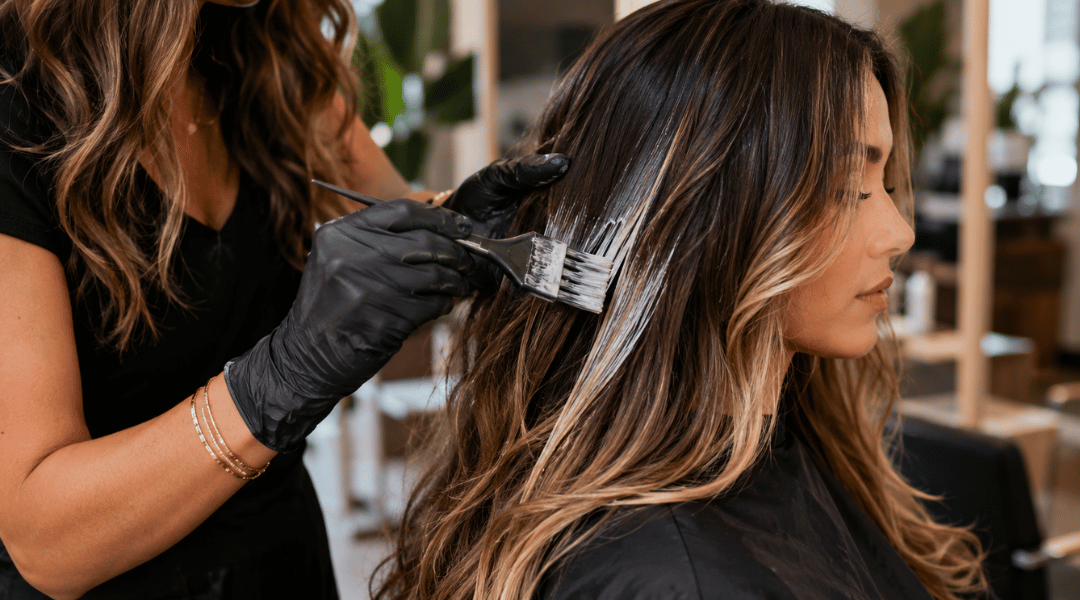
The word balayage comes from the French word meaning “to sweep,” which describes the sweeping motion used to apply color. Instead of isolating strands inside foils, the stylist paints selected sections directly onto the hair, allowing for greater control over placement and blending.
One of the biggest reasons balayage remains so popular is its versatility. The technique can be customized for:
Because the highlights are strategically placed rather than applied uniformly, balayage creates depth, movement, and dimension without harsh lines.
Many people describe the result as a naturally sun-kissed look. Rather than appearing freshly highlighted from root to tip, balayage creates softer brightness around the face, mid-lengths, and ends, helping the color grow out more naturally over time.
If you’re considering a color transformation but want something lower maintenance than traditional highlights, balayage is often one of the most flexible options available.
Stylist Insight: First-time color clients often get the most natural-looking results by choosing balayage shades that are only two to three levels lighter than their natural color. This creates dimension without requiring frequent touch-ups.
How Does Balayage Work?
Although balayage looks effortless, achieving a seamless result requires careful planning and placement. Every appointment is customized based on your natural hair color, hair texture, haircut, desired brightness, and maintenance goals.
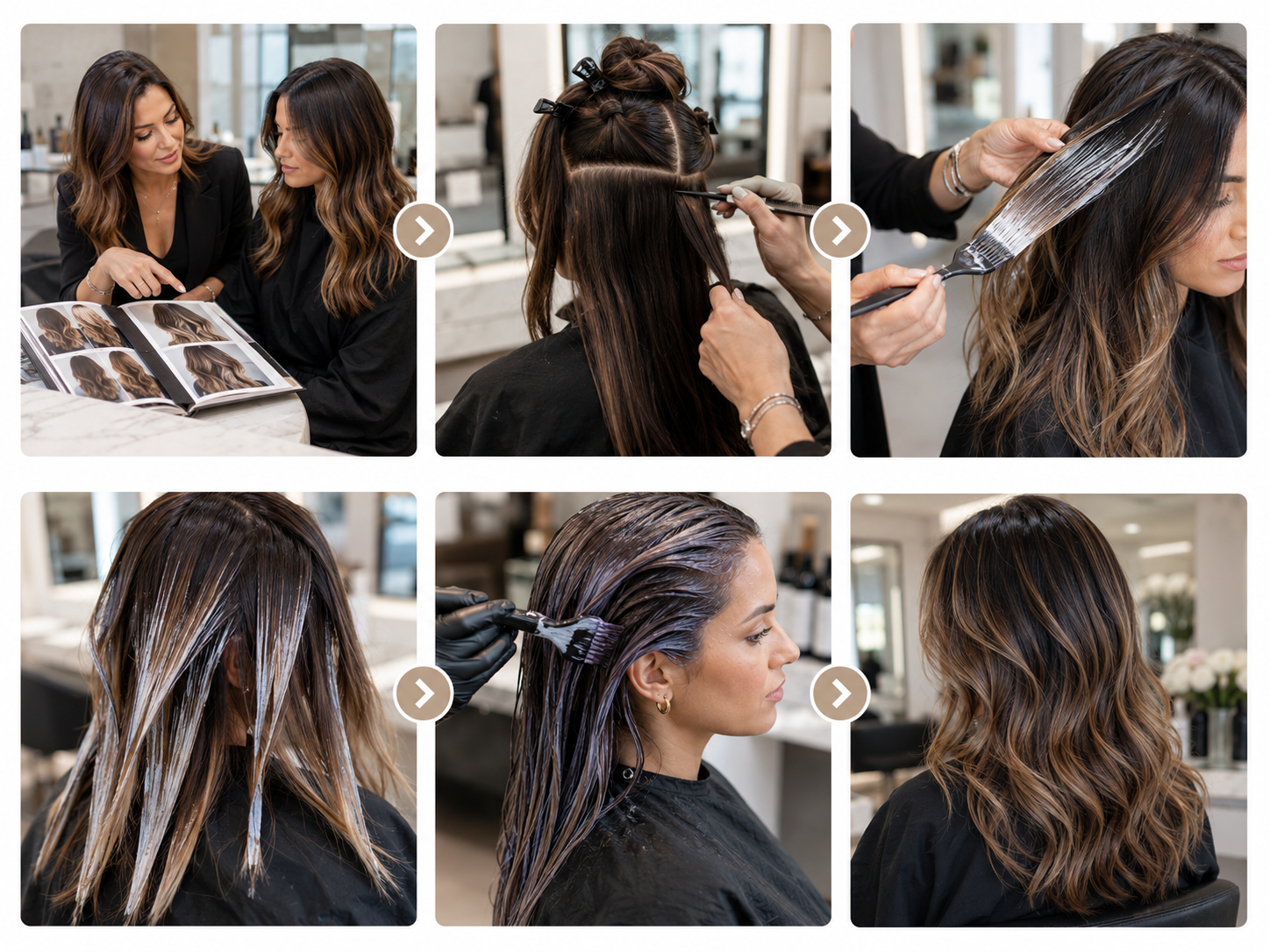
Most balayage appointments follow a similar process:
1. Consultation
The appointment begins with a consultation where your stylist evaluates:
- Natural hair color
- Previous color history
- Hair condition
- Desired tone
- Lifestyle and maintenance preferences
This step helps determine how much lift your hair can safely achieve and where the highlights should be placed for the most flattering result.
2. Sectioning the Hair
Your stylist divides the hair into sections to ensure even application. While balayage appears freehand, strategic sectioning helps create consistency and prevents patchy results.
Face-framing areas, crown sections, and the ends of the hair often receive special attention because these areas naturally catch the light.
3. Hand-Painting the Lightener
Using a brush, the stylist paints lightener onto selected sections of hair. Unlike traditional highlights, the color is applied with soft sweeping motions rather than precise foil patterns.
Most balayage applications focus on:
- Mid-lengths
- Ends
- Face-framing pieces
- Areas where sunlight would naturally create brightness
This creates the signature gradient effect associated with balayage.
4. Processing and Lifting
The lightener is allowed to process until the desired level of brightness is achieved.
Processing time varies depending on:
- Natural hair color
- Hair texture
- Previous color treatments
- Desired result
Darker hair often requires more lift than lighter hair to achieve the same level of brightness.
5. Toning
Once the hair reaches the desired level, a toner is applied to refine the final shade.
Toners can help create:
- Ash tones
- Beige tones
- Cool blondes
- Warm blondes
- Caramel shades
- Copper tones
This step is essential for creating the finished color and reducing unwanted brassiness.
6. Gloss and Finishing
Many balayage services finish with a gloss treatment to enhance shine and improve color longevity.
The hair is then styled so you can see how the highlights blend throughout the haircut and texture.
What to Expect: Most balayage appointments take between 2 and 4 hours, depending on hair length, color history, and the amount of lightening required. Major color corrections or dramatic transformations may take longer.
One reason balayage remains a favorite among stylists and clients alike is that no two applications are exactly the same. The technique is designed to work with your natural color, face shape, haircut, and texture rather than forcing a one-size-fits-all result.
Balayage vs Highlights
Balayage and traditional highlights both add brightness and dimension to the hair, but they use very different application techniques and create different results.
Traditional highlights are typically applied using foils from root to tip. This creates a brighter, more uniform appearance throughout the hair. Balayage, on the other hand, uses a freehand painting technique that creates softer transitions and a more natural grow-out.
For clients looking for a low-maintenance color service, balayage is often the preferred choice because there is no obvious line of regrowth as the hair grows.
| Feature | Balayage | Traditional Highlights |
|---|---|---|
| Application | Hand-painted | Applied with foils |
| Overall Look | Soft and natural | Brighter and more defined |
| Regrowth | Less noticeable | More noticeable |
| Maintenance | Lower | Higher |
| Touch-Up Schedule | Every 8-16 weeks | Every 6-10 weeks |
| Customization | Highly customized | More uniform |
Which One Should You Choose?
Balayage May Be Right for You If…
- Prefer a softer, lived-in look
- Want fewer salon visits
- Like natural dimension
- Want brightness without obvious roots
Traditional Highlights May Be Better If…
- Want maximum brightness
- Prefer color closer to the roots
- Like a more defined highlighted look
- Want stronger contrast throughout the hair
Balayage vs Ombré
Balayage and ombré are often confused, but they are not the same thing.
 See alsoCaramel Hair Color Ideas: 25 Shades Worth Saving for Your Next Appointment
The easiest way to understand the difference is this:
- Balayage is a coloring technique
- Ombré is a color effect
Balayage refers to the way color is applied. Ombré describes the finished look, where darker roots gradually transition into lighter ends.
Many ombré looks are actually created using balayage techniques, but not all balayage results are ombré.
| Feature | Balayage | Ombré |
|---|---|---|
| What It Is | Application technique | Finished color effect |
| Transition | Soft and blended | More noticeable gradient |
| Root Area | Natural depth remains | Darker roots are emphasized |
| Maintenance | Lower | Moderate |
| Overall Appearance | Sun-kissed and natural | More dramatic contrast |
If you’re looking for subtle brightness and natural dimension, balayage is usually the better option. If you want a stronger dark-to-light transition, ombré may be a better fit.
Popular Types of Balayage
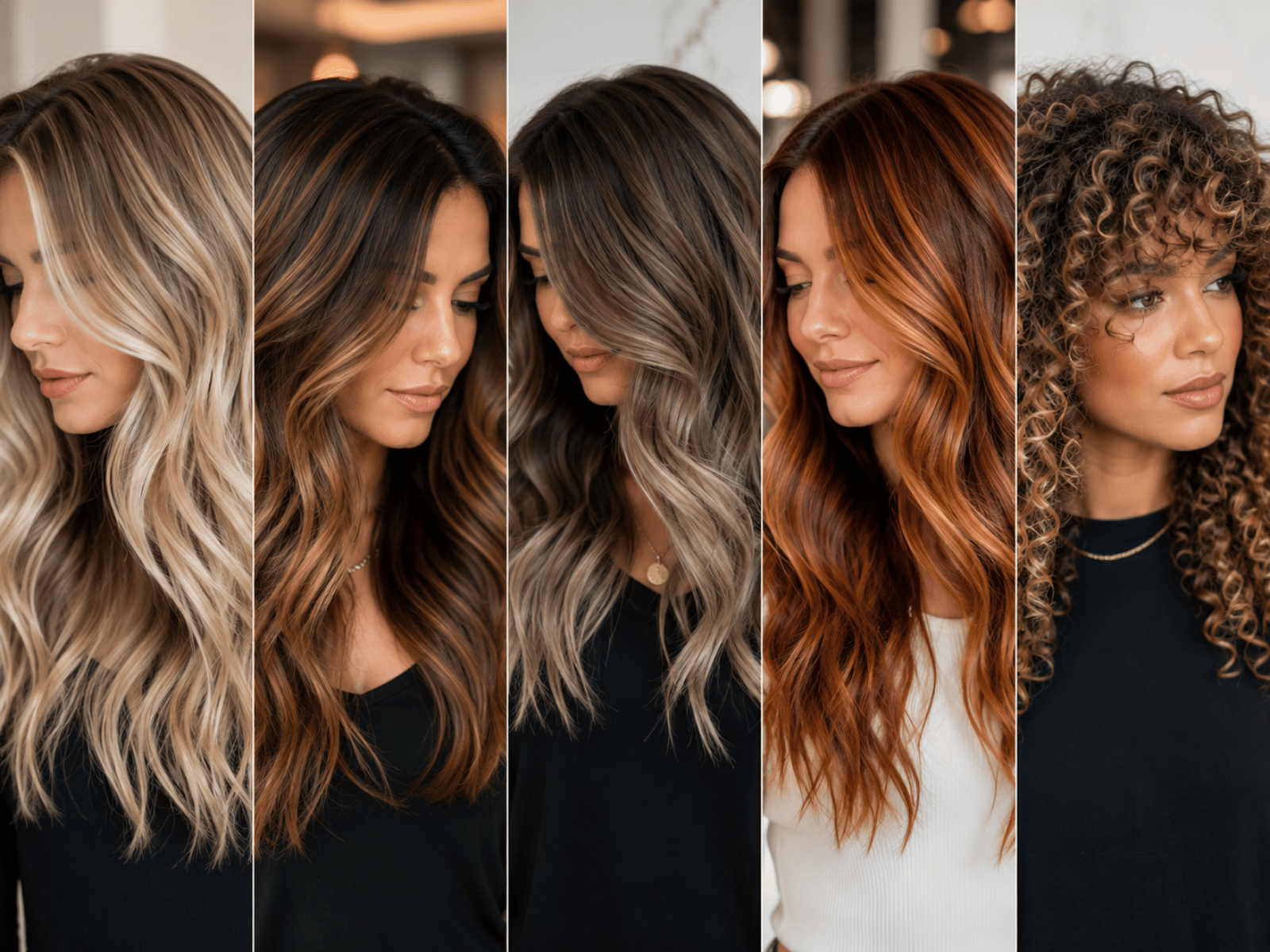
One of the biggest advantages of balayage is its versatility. The technique can be customized to create everything from subtle brightness to bold, high-contrast transformations. Bronde balayage is the low-maintenance crowd favorite — see the bronde hair color guide.
Blonde Balayage
Blonde balayage remains one of the most requested versions of the technique. Depending on the tone selected, it can range from soft honey blonde to bright beige or icy blonde shades.
Blonde balayage works especially well for clients who want brightness without committing to frequent root touch-ups.
Caramel Balayage
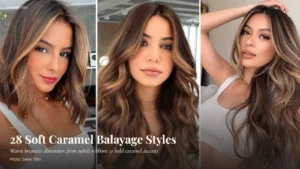
Caramel balayage is a popular choice for brunettes who want warmth and dimension without becoming fully blonde.
Soft caramel ribbons add movement and brightness while keeping the overall look natural and easy to maintain.
If you’re considering warmer tones, browse these caramel balayage styles for inspiration.
Ash Brown Balayage
Ash brown balayage creates a cooler, more understated finish. Instead of golden warmth, ash tones create a smoky, modern look that works particularly well on medium to dark brown hair.
For more cool-toned inspiration, explore these ash brown balayage ideas.
Copper Balayage
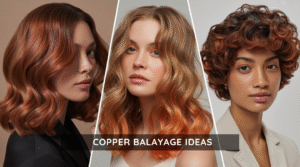
Copper balayage has become increasingly popular thanks to its rich warmth and vibrant dimension.
Blending copper, cinnamon, and bronze tones creates a striking look that adds brightness without going blonde.
You can see more examples in these copper balayage inspiration looks.
Balayage on Curly Hair
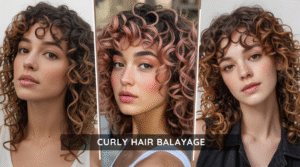
Balayage can look especially beautiful on curly hair because the highlights emphasize natural movement and texture.
Instead of creating one continuous ribbon of color, the highlights catch different parts of the curl pattern, creating dimension throughout the hair.
If you have curls, these balayage on curly hair ideas show how the technique works across different curl types.
Full vs Partial Balayage
When booking a balayage appointment, you’ll often hear the terms full balayage and partial balayage.
Partial balayage focuses on select areas, usually around the face, crown, and top layers. It creates brightness while keeping the service more affordable and lower maintenance.
Full balayage involves color placement throughout the entire head, creating more dimension and a brighter overall result.
A partial balayage is often a good starting point for first-time color clients, while a full balayage is better for those seeking a more noticeable transformation.
Stylist Tip: If you’ve never colored your hair before, a partial balayage often provides enough brightness to see a meaningful change while keeping maintenance and processing time lower.
Who Is Balayage Best For?
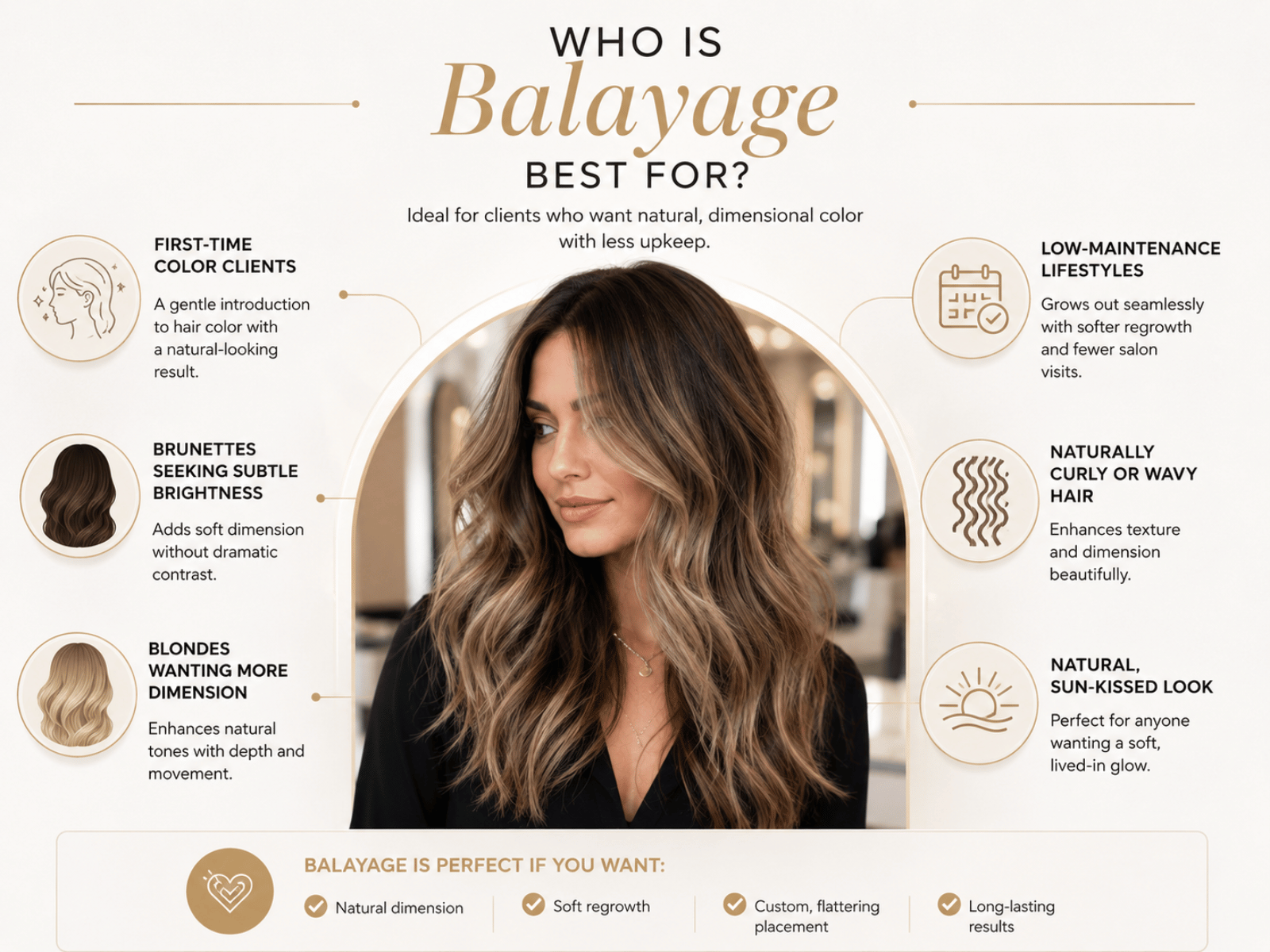
One reason balayage remains so popular is that it works across a wide range of hair colors, lengths, and textures. Because the color placement is customized rather than uniform, it can be adapted to suit different goals and lifestyles.
Balayage is often a great choice for:
Balayage may be less suitable if:
- Your hair is severely damaged from previous chemical services
- You want a solid, all-over color
- You prefer very bright highlights from root to tip
- You’re looking for a dramatic color transformation in a single appointment
For curly textures, strategic color placement can enhance movement and definition. If you’re considering highlights on curls, browse these examples of balayage on curly hair to see how the technique can be adapted for different curl patterns.
Choosing the Right Balayage Shade
The best balayage isn’t determined by trends alone. The most flattering results usually come from selecting tones that complement your natural hair color and skin undertones. Chocolate brown is one of the most forgiving base shades — see the chocolate brown hair color guide.
Warm Undertones
If your skin has golden, peach, or warm undertones, shades like these often work beautifully:
- Caramel balayage
- Honey blonde balayage
- Golden blonde balayage
- Copper balayage
Clients exploring warmer color options may also find inspiration in these caramel blonde hair ideas.
Cool Undertones
If your skin has pink, neutral-cool, or rosy undertones, cooler shades often create a more balanced look:
- Ash brown balayage
- Beige blonde balayage
- Mushroom brown balayage
- Cool blonde balayage
Cool-toned balayage can add dimension while maintaining a softer, modern finish.
Neutral Undertones
Neutral undertones are often the most flexible. Both warm and cool balayage shades can work depending on your natural hair color and desired level of contrast.
If you’re unsure which tones are most flattering, this guide to hair color for brown skin can help you understand how undertones influence color selection.
Stylist Tip: Bringing inspiration photos to your consultation helps your stylist understand not only the shade you like, but also the level of brightness, contrast, and maintenance you’re comfortable with.
How Long Does Balayage Last?
Most balayage services last between 8 and 16 weeks before needing a refresh, although the exact timeline depends on your hair growth, chosen shade, and maintenance routine.
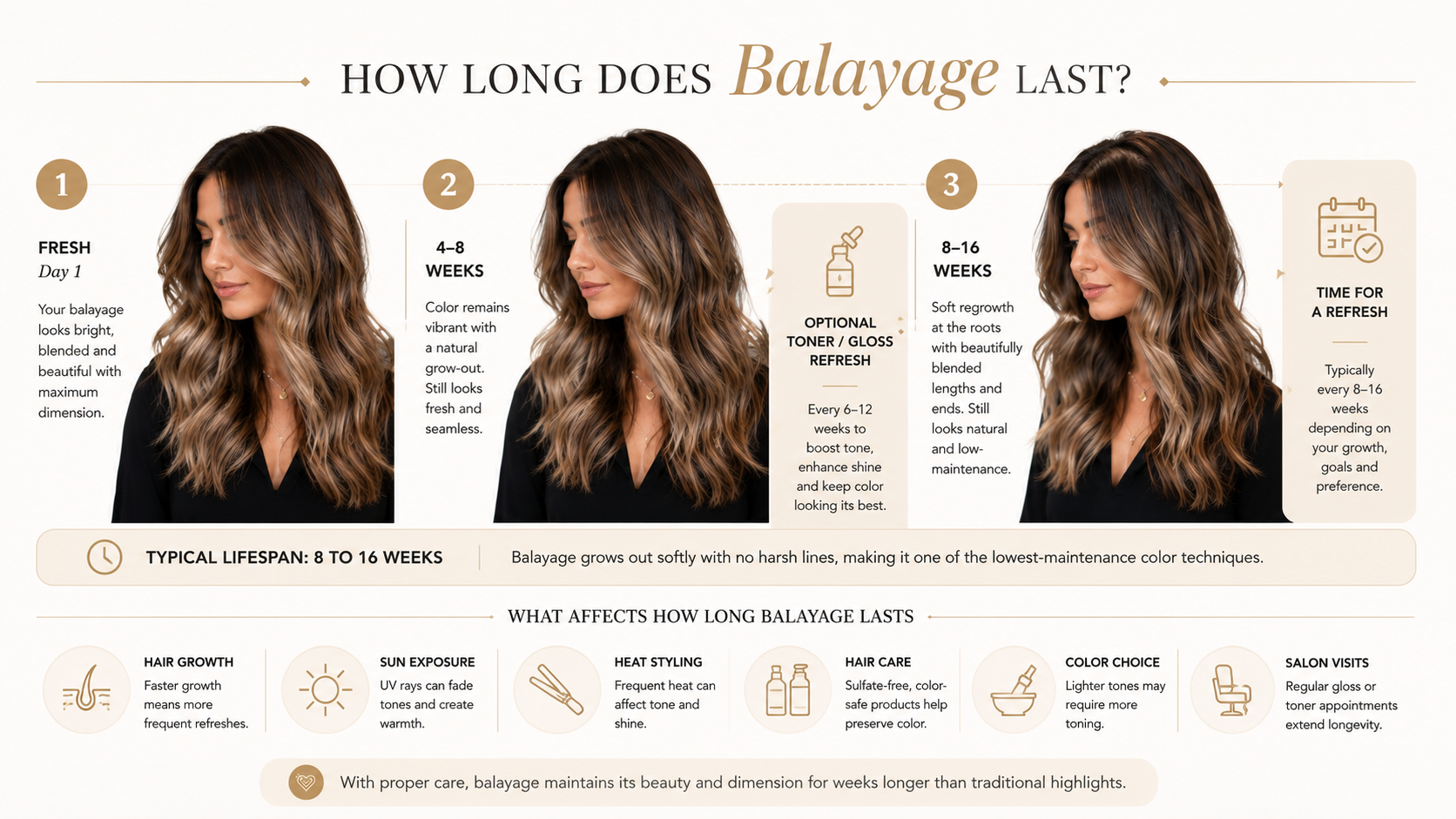
One of the biggest advantages of balayage is that it grows out more naturally than traditional highlights. Because the color is blended and doesn’t typically start directly at the roots, regrowth tends to be much less noticeable.
Several factors affect longevity:
- Natural hair growth rate
- How light the balayage is
- Heat styling frequency
- Hair washing habits
- Product selection
- Sun and chlorine exposure
Many clients schedule toner refreshes or gloss treatments between full balayage appointments to keep the color looking fresh without re-lightening the hair.
How Often Should You Touch Up Balayage?
Most people return for a balayage refresh every 3 to 4 months.
However, some clients can comfortably extend appointments to 5 or even 6 months, particularly when the balayage is subtle and closely matches their natural color.
If maintaining brightness is important to you, periodic toning appointments can help extend the life of your color between major services.
How to Maintain Balayage Hair
Balayage may require less upkeep than traditional highlights, but proper aftercare still plays an important role in preserving color, shine, and overall hair health.
 See alsoBronde Hair Color: The Best of Blonde & Brunette
Use Color-Safe Products
Sulfate-free shampoos and conditioners help reduce fading and maintain tone.
If you’re looking for product recommendations, check out our guide to the best shampoos and conditioners for balayage hair.
Prioritize Moisture
Lightening services can make hair more prone to dryness, especially on the mid-lengths and ends.
Regular conditioning treatments and hydrating masks can help maintain softness and reduce breakage.
Protect Against Heat Damage
Frequent use of flat irons, curling wands, and blow dryers can dull balayage and contribute to dryness.
Always apply a heat protectant before styling and consider reducing heat exposure when possible.
Follow a Hair Care Routine That Fits Your Hair Type
Not all balayage hair has the same needs.
Fine hair, thick hair, curly hair, and color-treated hair often require different maintenance strategies.
For a more personalized approach, explore this hair care routine tailored by hair type.
Plan for Periodic Refreshes
Even low-maintenance color benefits from occasional maintenance.
Toners, gloss treatments, and strategic touch-ups help maintain brightness and keep the color looking intentional rather than faded.
The goal isn’t necessarily more appointments. It’s maintaining healthy hair so your balayage continues to look polished between visits.
How Much Does Balayage Cost?
Balayage pricing varies based on your location, stylist experience, hair length, and the amount of lightening required.
In most salons, balayage costs more than a standard color service because it requires customized placement, blending, toning, and often more appointment time.
| Service | Typical Price Range |
|---|---|
| Partial Balayage | $120-$250 |
| Full Balayage | $200-$400 |
| Balayage + Toner | $250-$450 |
| Balayage + Haircut & Style | $300-$550 |
| Toner / Gloss Refresh | $50-$120 |
| Balayage Color Correction | $400-$900+ |
Prices vary based on hair length, density, previous color history, desired level of lightness, and whether corrective color work is required. A consultation is recommended for an accurate quote.
The final cost may also depend on:
- Hair density and length
- Previous color correction work
- Number of sessions required
- Toning or gloss treatments
- Stylist experience level
If you’re booking balayage for the first time, scheduling a consultation beforehand can help you understand the expected cost, maintenance schedule, and realistic results for your hair.
Common Balayage Mistakes
Even though balayage is known for being forgiving and low maintenance, a few common mistakes can affect the final result.
Choosing a Shade That’s Too Light
Going dramatically lighter than your natural color can create more maintenance and increase the risk of damage.
Ignoring Hair Health
Balayage looks best on healthy hair. If your hair is already dry or compromised, prioritize strengthening treatments before lightening.
Skipping Toning Appointments
Many people focus only on the initial service and overlook maintenance. Toners help maintain the desired shade and reduce brassiness.
Using Harsh Hair Products
Shampoos that aren’t designed for color-treated hair can cause premature fading.
Waiting Too Long Between Refreshes
While balayage grows out naturally, occasional glosses or toners help keep the color looking intentional and polished.
Can You Do Balayage at Home?
Technically, yes. However, balayage is one of the more challenging color techniques to replicate successfully at home.
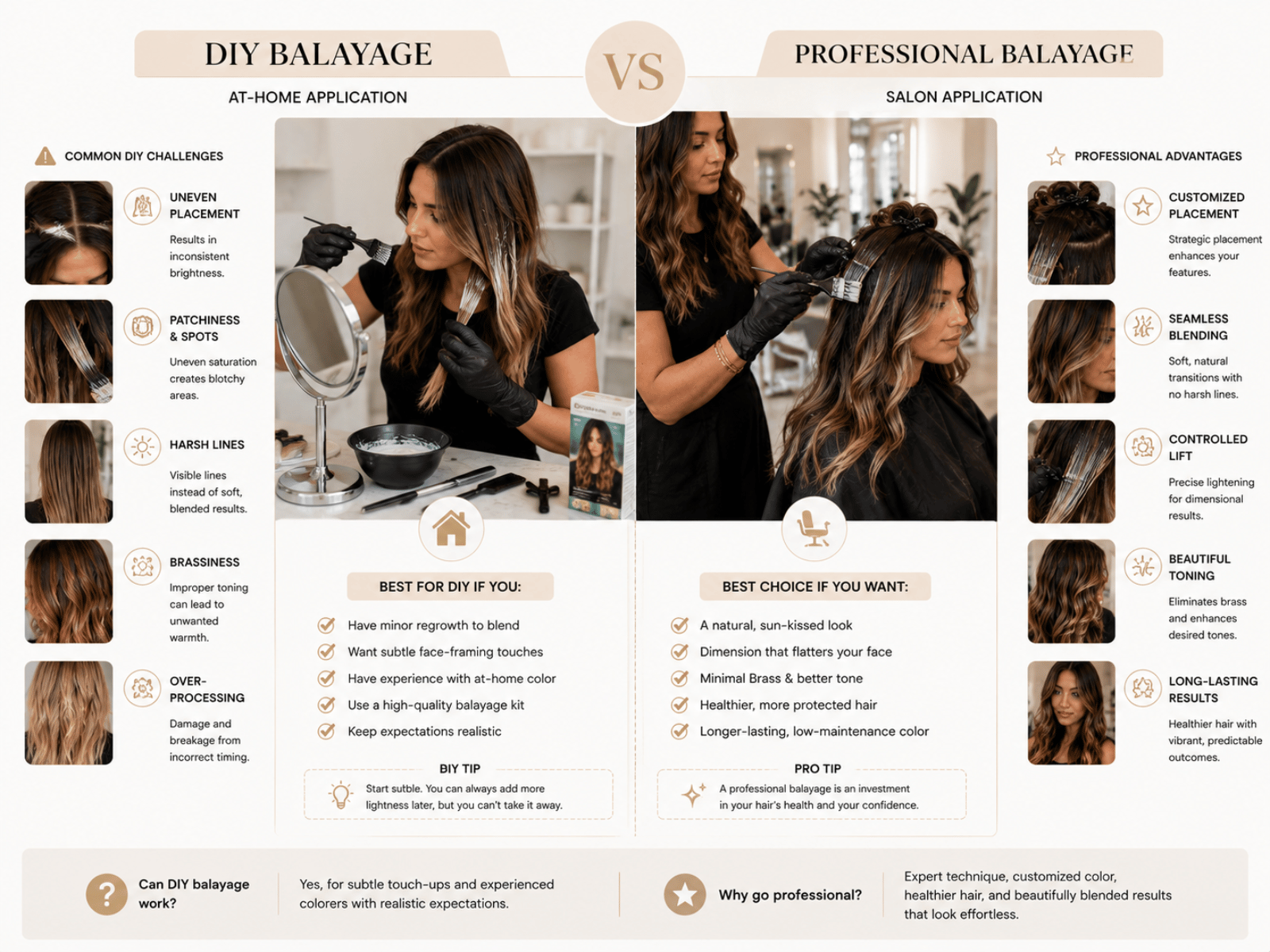
The reason professional balayage looks so natural is because the placement is customized. Stylists consider factors like face shape, haircut, hair density, texture, and natural growth patterns when deciding where to place brightness.
At-home balayage may work for:
- Minor face-framing pieces
- Existing balayage maintenance
- Experienced DIY color users
However, beginners often struggle with:
- Uneven placement
- Patchiness
- Harsh lines
- Over-processing
- Unwanted warmth or brassiness
If you’re considering DIY color, understanding proper sectioning is essential. This guide on how to section hair for highlights at home explains the basics before you begin.
For significant color changes or first-time balayage services, a professional consultation usually produces more predictable and longer-lasting results.
Frequently Asked Questions
What is balayage hair?
Balayage is a hair coloring technique where lightener is hand-painted onto the hair to create soft, natural-looking highlights with less noticeable regrowth.
How does balayage work?
A stylist strategically paints lightener onto selected sections of the hair, then tones the color to create a blended, dimensional result.
What is the difference between balayage and highlights?
Traditional highlights use foils and typically begin at the roots. Balayage uses a freehand painting technique that creates softer transitions and a more natural grow-out.
What is the difference between balayage and ombré?
Balayage is the application technique, while ombré is a color effect that transitions from darker roots to lighter ends.
How often should balayage be touched up?
Most people refresh balayage every 3 to 4 months, although subtle balayage can often go longer between appointments.
Can balayage be done on dark hair?
Yes. Balayage works beautifully on dark hair and can be customized using caramel, honey, copper, chocolate, ash brown, or blonde tones.
Is balayage high maintenance?
Compared with traditional highlights, balayage is generally considered lower maintenance because regrowth is less noticeable.
What is a full balayage?
A full balayage includes color placement throughout the entire head, creating more brightness and dimension than a partial balayage.
Final Thoughts
Balayage remains one of the most versatile and flattering hair coloring techniques available today. Whether you’re looking for subtle dimension, face-framing brightness, or a more noticeable transformation, the technique can be customized to suit your hair color, texture, and lifestyle.
Its biggest advantage isn’t simply how it looks on day one. It’s how naturally it grows out over time. With thoughtful placement and proper maintenance, balayage can provide months of dimension and movement without the frequent touch-ups often associated with traditional highlights.
Before booking your appointment, it’s worth taking time to understand your desired level of brightness, maintenance preferences, and color goals. A consultation with an experienced stylist can help determine the right approach for your hair and ensure realistic expectations from the start.
If you’re preparing for a color appointment, our guide on things to know before you color your hair can help you avoid common mistakes and get the best possible results.